
Table of Contents
Chronic inflammation is a silent driver behind many of the health problems we fear most—heart disease, type 2 diabetes, arthritis, and even Alzheimer’s. It’s not the same as the acute inflammation that follows a cut or a cold, which is your body’s natural healing response. The problem starts when that response never gets switched off, simmering quietly for years. The good news? You can control much of it with what’s on your plate.
An anti-inflammatory diet isn’t a trendy fad. It’s a pattern of eating that has been studied for decades, and the evidence is clear: the right foods can lower inflammatory markers like C-reactive protein (CRP) and interleukin-6 (IL-6). Here’s a practical, no-nonsense look at how to build your own anti-inflammatory diet—and how to make it stick.
What Is an Anti-Inflammatory Diet, Exactly?
There’s no single “anti-inflammatory diet” that you have to follow to the letter. It’s more of an umbrella term that describes a way of eating that emphasizes foods known to reduce inflammation while limiting those that trigger it. The Mediterranean diet, for example, is one of the best-studied anti-inflammatory patterns. Traditional Okinawan and Nordic diets share many of the same principles.
At its core, the diet focuses on:

- Whole, unprocessed foods like vegetables, fruits, legumes, and whole grains
- Healthy fats, especially extra-virgin olive oil, nuts, seeds, and fatty fish
- Lean proteins, including poultry, fish, and plant-based sources
- A limited amount of added sugar, refined carbs, and highly processed foods
- Plenty of herbs and spices with natural anti-inflammatory properties
If you want to see exactly which foods deliver the biggest bang for your buck, check out this guide to the most powerful anti-inflammatory foods—it includes a handy breakdown of why these foods work and how to pack them into your daily routine.
The Science Behind the Diet: How Food Affects Inflammation
Every time you eat, you either nudge your body’s inflammatory response up or down. That’s because certain foods contain compounds that either promote or suppress the production of inflammatory cytokines.
Oxidative Stress and Antioxidants
When your body breaks down food, it produces free radicals—unstable molecules that damage cells and DNA. Normally, your immune system and antioxidants from food keep these in check. But if your diet is low in antioxidants and high in refined foods, free radicals accumulate, triggering inflammation. Brightly colored fruits and vegetables are loaded with polyphenols and flavonoids that neutralize these free radicals.
Omega-3 vs. Omega-6 Fatty Acids
The balance between omega-3 and omega-6 fats in your diet is one of the most important factors. Omega-6 fats are essential, but they’re also pro-inflammatory when consumed in excess. Standard Western diets often have a ratio of 15:1 or higher in favor of omega-6. An anti-inflammatory diet aims to move that ratio closer to 3:1 or even 2:1.
Omega-3s, found in fatty fish like salmon, sardines, and anchovies, actively reduce inflammation. Plant sources like flaxseeds and walnuts provide ALA, a less potent form that your body can partially convert. For many people, getting enough omega-3 from food alone is challenging. That’s where supplementation comes in—but not all supplements are created equal. If you’re considering a fish oil or algae oil supplement, this guide on how to choose supplements that are actually worth your money walks you through markers of quality and safety.
Foods That Fight Inflammation
Let’s get concrete. Rather than a long list of “good” and “bad” foods, here are the anti-inflammatory heavyweights you should aim to eat most days.
Fatty Fish
Salmon, mackerel, sardines, and herring are full of EPA and DHA, the most anti-inflammatory omega-3s. The American Heart Association suggests eating at least two servings of fatty fish per week. A 3-ounce serving of wild-caught salmon gives you about 1.5 grams of EPA/DHA. If you don’t eat fish, you can get a smaller amount from algae supplements, but expect to take higher doses.
Leafy Greens and Cruciferous Vegetables
Spinach, kale, Swiss chard, broccoli, Brussels sprouts, and cabbage are packed with vitamin E, beta-carotene, and sulfur compounds that lower inflammation markers. A study in the journal Public Health Nutrition found that women who ate the most leafy greens had significantly lower levels of IL-6.
Berries and Cherries
Blueberries, strawberries, raspberries, and tart cherries are among the highest-antioxidant fruits. A 2017 study published in the Journal of Nutrition showed that eating roughly two cups of blueberries daily for six weeks improved natural killer cell activity and reduced oxidative stress. Tart cherry juice, in particular, has been shown to reduce muscle soreness after exercise—a sign of reduced inflammation.
Extra-Virgin Olive Oil
Olive oil is a key component of the Mediterranean diet, and its anti-inflammatory benefits come from oleocanthal, a compound that has been compared to ibuprofen for its anti-inflammatory action. Use it as your primary cooking fat and dressing base, but don’t fry with it at high heat—virgin and extra-virgin oils have a lower smoke point, which damages beneficial compounds.
Spices and Herbs
Turmeric is probably the best-known anti-inflammatory spice, thanks to curcumin, a compound that blocks an inflammation-promoting enzyme called COX-2. But turmeric alone is poorly absorbed; pair it with black pepper and a fat source. If you’re thinking about a curcumin supplement, read this deep dive into which turmeric supplements actually work. Ginger is also excellent—it contains gingerol, which reduces prostaglandins.
Ginger, cinnamon, cloves, and rosemary are all easy to incorporate into your cooking. Don’t underestimate them: these little flavor additions add up to a meaningful anti-inflammatory punch.
Foods That Promote Inflammation (and What to Swap Them With)
It’s not just about adding foods; it’s also about reducing the ones that fan the flames.
Sugary Drinks and Refined Carbs
Sodas, sweetened teas, and fruit juices spike blood sugar quickly, which increases oxidative stress and inflammation. White bread, pastries, and many breakfast cereals do the same. Swap them for water with lemon, unsweetened sparkling water, or whole-grain versions of your favorite carbs. If you’re wondering about fiber—which is abundant in whole grains—this complete guide to dietary fiber supplements explains how fiber feeds beneficial gut bacteria that produce anti-inflammatory short-chain fatty acids.
Processed Meat and Red Meat
Bacon, sausages, deli meats, and even large amounts of red meat have been linked to higher levels of inflammatory markers. A recent study even found a link between red meat consumption and depression, which is itself associated with inflammation. You can read more about that connection here. That doesn’t mean you can never eat a steak again—but it’s a reason to shift your protein habits toward fish, legumes, tofu, and lean poultry.
Vegetable Oils High in Omega-6
Corn, soybean, sunflower, and safflower oil are high in linoleic acid, an omega-6 fat that gets easily oxidized and promotes inflammation when overconsumed. Use them sparingly. Instead, cook with olive oil, avocado oil, or coconut oil for higher-heat cooking.
Practical Tips to Start Your Anti-Inflammatory Diet Today
Knowing what to eat is one thing; actually making it happen is another. Here are a few simple strategies that work in the real world.
Build Your Plate Around a Formula
For most meals, aim for this rough template: fill half your plate with vegetables (especially leafy greens), one-quarter with lean protein (fish, beans, tofu), and one-quarter with whole grains or starchy vegetables (quinoa, brown rice, sweet potato). Drizzle with olive oil and sprinkle with turmeric or fresh herbs.
Plan a Week of Anti-Inflammatory Meals
Here’s an example to get you started:
- Breakfast: Overnight oats with chia seeds, blueberries, walnuts, and cinnamon
- Lunch: Spinach salad with grilled chicken, avocado, cherry tomatoes, red onion, and a lemon-olive oil vinaigrette
- Snack: Apple slices with almond butter or a small handful of almonds
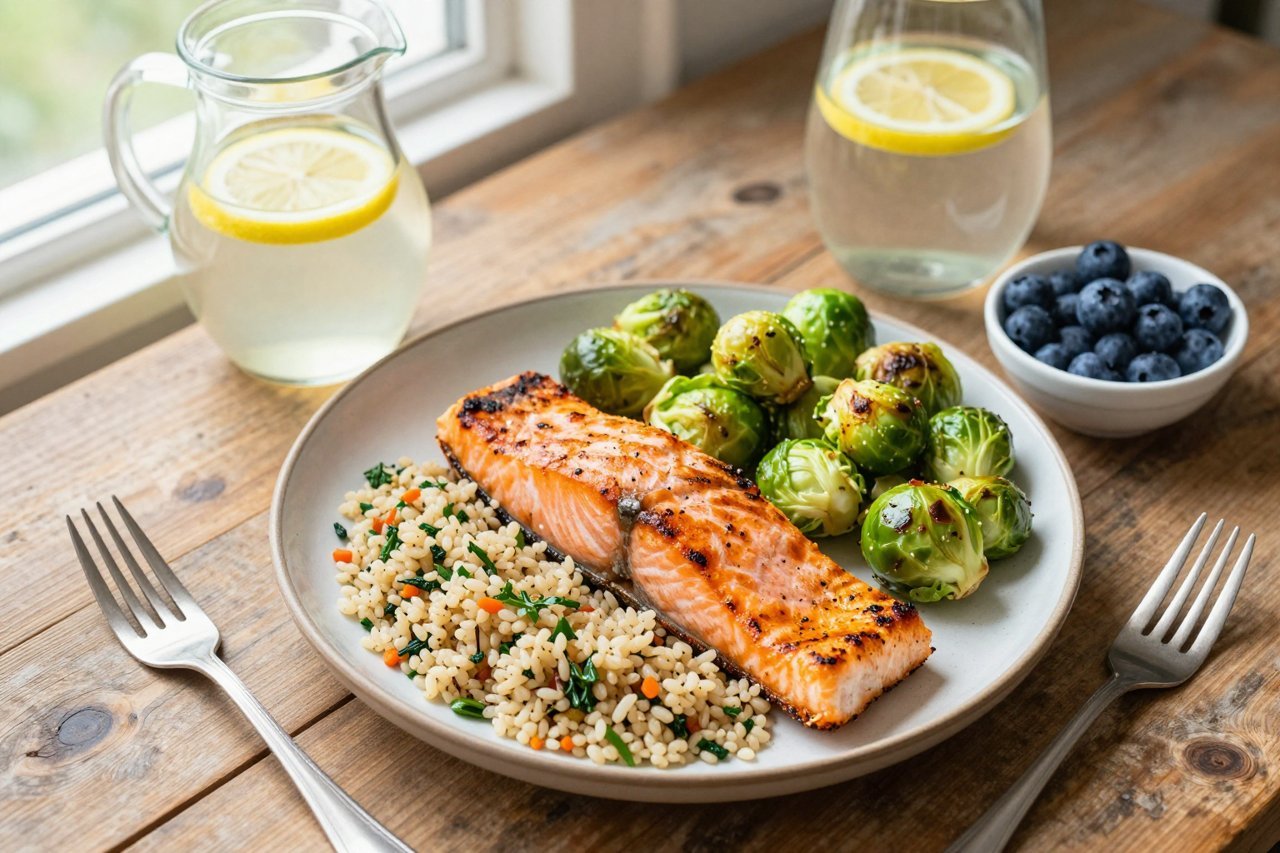
- Dinner: Baked salmon, roasted Brussels sprouts, and a quinoa pilaf with garlic and herbs
This isn’t the only way to eat, but it gives you a feel for the patterns.
Don’t Overlook Gut Health
Your gut lining plays a gatekeeper role: when it becomes inflamed, it can let bacterial toxins leak into your bloodstream, triggering systemic inflammation. Eating a variety of fiber-rich foods, fermented foods like yogurt and kimchi, and ensuring you’re getting enough prebiotics can help. If you struggle to get enough fiber from food, a supplement might help, but read the fiber supplement comparison first to choose the right type.
When Diet Isn’t Enough: Supplements and Warning Signs
Diet is the foundation, but some people still have gaps. Omega-3, turmeric, ginger, and green tea extract are the most evidence-backed anti-inflammatory supplements. However, supplement quality varies wildly. A cheap omega-3 pill might be oxidized or contain too little EPA/DHA to matter. Always look for third-party tested brands, and read the labels carefully.
If you have autoimmune diseases, inflammatory bowel disease, or chronic pain, don’t rely on diet alone. Talk to your doctor about testing inflammatory markers like hs-CRP or homocysteine. Supplements can complement a good diet, but they aren’t a substitute. For practical guidance, this guide to choosing worthwhile supplements helps you avoid wasting money on those that don’t measure up.
One more note: don’t expect overnight changes. Inflammation builds up over months and years, and it takes time to bring it down. Most people who switch to an anti-inflammatory diet notice more energy, clearer skin, and less joint stiffness within three to four weeks. The scale might not move immediately, but your body is doing important repair work. Stick with it—and let yourself enjoy the food. An anti-inflammatory diet isn’t about punishment; it’s about feeding your body what it needs to thrive.


