
Table of Contents
Chronic inflammation is a quiet saboteur. It doesn’t announce itself like a broken bone or a fever. Instead, it smoulders for years, silently contributing to heart disease, type 2 diabetes, arthritis, Alzheimer’s, and even cancer. The food you eat can either pour fuel on that fire or act as a natural fire extinguisher. That’s where anti-inflammatory foods come in.
This isn’t about one miracle ingredient. It’s about a pattern of eating that keeps your body’s inflammatory response in check. You don’t need to overhaul your whole kitchen in one weekend. Small, consistent swaps make a real difference.
What Is Inflammation and Why Should You Care?
Acute inflammation is your body’s healing response. It’s the redness and swelling around a cut, the heat from a sprained ankle. These short bursts of activation are protective. The problem occurs when inflammation becomes chronic. White blood cells that should stand down after an injury stay in attack mode, damaging healthy tissues and organs over time.
Chronic inflammation is often invisible, and many people don’t know they have it until a condition shows up. Blood markers like C-reactive protein (CRP) can give you a sense of your systemic inflammation level. Habits like poor sleep, stress, being sedentary, and eating a highly processed diet all nudge that number up.

The Best Anti-Inflammatory Foods to Eat Regularly
While no single food cures anything, certain categories are consistently linked to lower inflammatory markers in studies. These foods share common traits: they are rich in antioxidants, omega-3 fatty acids, fiber, or polyphenols.
Fatty Fish
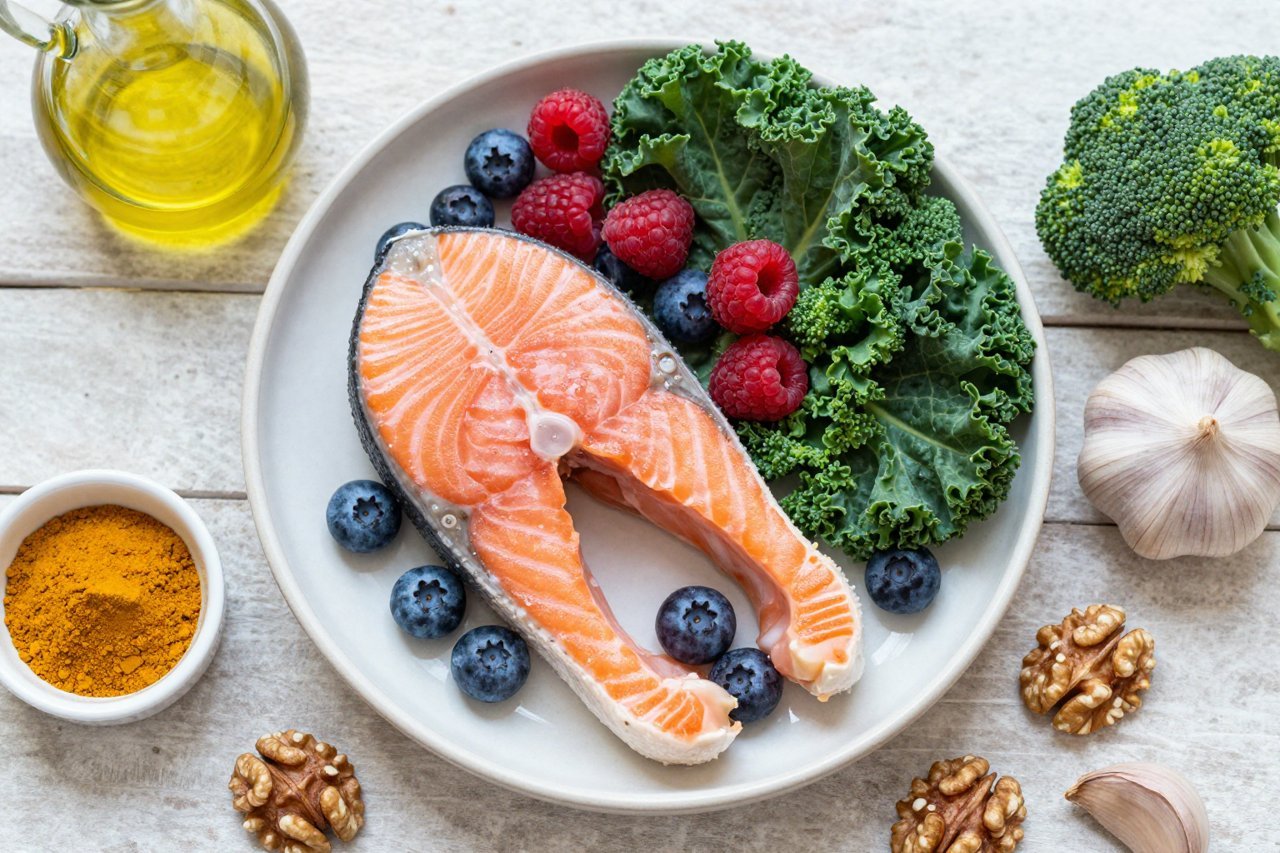
Salmon, sardines, mackerel, and anchovies are packed with EPA and DHA, two types of omega-3 fats known to reduce inflammatory molecules like interleukins and prostaglandins. The American Heart Association recommends at least two servings per week. Canned sardines make an easy lunch. Fatty fish is also an excellent source of protein, which is one reason why fish often shows up on the best high protein foods for weight loss.
Leafy Greens and Cruciferous Vegetables
Dark leafy greens like spinach, kale, and Swiss chard are rich in vitamin K and alpha-linolenic acid, a plant omega-3. Cruciferous vegetables such as broccoli, Brussels sprouts, and cabbage deliver sulforaphane, a compound that activates anti-inflammatory pathways in your body. Eating a variety of these daily is one of the most reliable ways to lower inflammation. For a closer look at the most nutrient-dense options, see the 15 healthiest vegetables you should eat every day.
Berries and Tart Cherries
Blueberries, strawberries, raspberries, and blackberries are loaded with anthocyanins, the pigments that give them their deep purple and red colours. A study from the US Department of Agriculture found that blueberry consumption reduced inflammatory markers in obese adults. Tart cherries go one step further; they reduce urate and oxidative stress in people with gout. A small bowl of mixed berries with breakfast is worth a thousand supplements.
Nuts and Seeds
Walnuts, almonds, flaxseeds, and chia seeds provide alpha-linolenic acid (ALA) and vitamin E. A handful of walnuts each day can lower several markers of inflammation, including CRP and IL-6. Flaxseeds work best when ground, since your body can’t fully break down the whole seed. Sprinkle them on yogurt or blend them into smoothies.
Extra Virgin Olive Oil and Avocados
Extra virgin olive oil is a staple of the Mediterranean diet, which is widely recognised as one of the most anti-inflammatory eating patterns on the planet. It contains oleocanthal, a phenolic compound that works similarly to ibuprofen to reduce inflammatory enzymes. Use it for dressings and light cooking. Avocados add monounsaturated fat, fiber, and potassium, which helps balance the high sodium found in many processed foods.
Tomatoes and Colourful Peppers
Tomatoes are a major source of lycopene, especially when cooked. Lycopene levels drop in the presence of chronic inflammation, so regular intake helps. Yellow and red bell peppers are packed with vitamin C and beta-carotene. One cup of raw red pepper gives you nearly three times your daily vitamin C needs. Add them to salads, sandwiches, or roast them.
Spices and Herbs
Turmeric deserves its hype. Curcumin, its active compound, is a direct anti-inflammatory agent. The catch is that turmeric alone is poorly absorbed; pair it with black pepper, which contains piperine, and some fat for better uptake. Ginger has similar effects and may ease muscle soreness after workouts. Garlic is another easy add. Aim for two cloves a day, crushed or sliced, to activate its allicin.
Green Tea and Coffee
Both tea and coffee are rich in polyphenols. Green tea provides epigallocatechin gallate (EGCG), which has been shown to suppress inflammatory cytokines. Coffee’s main anti-inflammatory compounds are chlorogenic acids. Skip the sugar and heavy cream; a splash of milk is fine. Two to three cups a day seems to be the sweet spot.
Foods That Fan the Flames
An anti-inflammatory diet isn’t only about adding good foods. It’s also about cutting back on the everyday products that keep you inflamed. The worst offenders are refined carbohydrates like white bread, pastries, and sugary breakfast cereal; ultra-processed snacks and fried foods; sugary drinks including fruit juice; and excessive alcohol.
Red meat sits in a grey area. Lean cuts a few times a month are unlikely to cause major harm, but eating it regularly has been linked to higher CRP levels. A separate study even connected frequent red meat consumption with a higher risk of depression, a condition now understood to involve inflammation. You can read the details in our report on red meat and depression. If you do eat red meat, choose grass-fed cuts and keep portions to about 100g.
Why Fiber Is Central to Anti-Inflammatory Eating
You can’t talk about anti-inflammatory foods without mentioning fiber. Your gut bacteria feed on soluble and insoluble fiber and produce short-chain fatty acids like acetate, propionate, and butyrate. These molecules signal your immune system to stay calm. Low-fiber diets, by contrast, allow harmful bacteria to proliferate, which raises intestinal permeability and endotoxin levels in the blood.
Vegetables, fruits, legumes, and whole grains are all good sources. Berries, pears, apples, and bananas are among the fruits with the highest fiber content; our ultimate guide to the highest fiber fruit breaks those down by type. If you’re consistently falling short, a fiber supplement can help bridge the gap, but whole foods bring phytochemicals that supplements simply can’t match. The complete guide to dietary fiber supplements might help you choose one if you need it.
How to Build an Anti-Inflammatory Plate Without a Recipe Book
Forget complicated macros. Think of your plate as a ratio. Fill half of it with non-starchy vegetables and fruit. Fill a quarter with clean protein like fish, chicken, eggs, tofu, or legumes. Fill the final quarter with a fibrous grain like quinoa, brown rice, or barley. Then drizzle everything with extra virgin olive oil, or add a handful of walnuts or avocado.
Here’s what that looks like on a normal day:
Breakfast: oatmeal with blueberries, ground flaxseed, and a spoon of almond butter.
Lunch: a large spinach salad topped with tinned sardines, roasted peppers, and an olive oil dressing.
Dinner: baked salmon with turmeric roasted broccoli and a small portion of brown rice.
Snack: a handful of walnuts or a piece of fruit.
These aren’t restrictive or weird. They’re just real, colourful foods that happen to suppress inflammation.
A Practical Shopping List for Your Next Trip
Use this list as a starting point when you’re at the store. You don’t need everything at once; just pick a few items to try this week.
- Fatty fish: salmon fillets, canned sardines or mackerel
- Leafy greens: spinach, kale, Swiss chard
- Cruciferous vegetables: broccoli, Brussels sprouts, cauliflower
- Berries: fresh or frozen blueberries, strawberries
- Nuts and seeds: walnuts, almonds, ground flaxseed
- Healthy fats: extra virgin olive oil, avocado
- Spices: turmeric, ginger, garlic, cinnamon
- Green tea or herbal teas
- Whole grains: oats, quinoa, brown rice
Start with one swap. Maybe you trade your afternoon biscuit for a handful of blueberries and a few walnuts. Next week, add a salmon dinner. In a month, small changes like these become a habit, and your body will feel the difference well before any lab test shows it.


