
Table of Contents
There’s a moment every home herbalist remembers: standing in the kitchen at 10:45 pm with a scratchy throat, wondering if you really want to swallow something from the back of the medicine cabinet. The switch to herbal remedies rarely happens in one dramatic ritual. It happens the night you make your first real chamomile infusion, taste it, and realise it’s not quite as bad as you expected—and that it actually helps.
This is a practical, step-by-step path. I’ll walk you through the exact decisions and measurements that turned me from a person who owned dusty teabags into someone who can make a distress-call throat spray with confidence. Choose one ailment, one plant, one pot, and let’s get started.
Step 1: Choose one symptom and one well-researched herb
Write down a single symptom you want to test. Not “feeling tired all the time” — pick something measurable like “takes more than 30 minutes to fall asleep” or “wake with a sore throat.” The herb should match that symptom. If you’re building a home kit, use chamomile for wakefulness or ginger for an upset stomach.
Before you spend money, scan the herbal remedies that actually work guide. It will stop you from wasting two months on an herb that has no real evidence behind it. If sleep is your target, the insomnia remedies that finally work list will show you which plants deserve a trial. Pick exactly one.

Step 2: Buy the right part of the plant and store it correctly
The single biggest mistake I see is buying ‘herbal powder’ from a bulk-bin store when you haven’t checked the species name. With herbs, common names lie. “Chamomile” can mean German chamomile or Roman chamomile, and they have different constituents. Find the Latin name (for German chamomile, Matricaria recutita) and make sure it’s on the label.
Then buy the right plant part: flowers for chamomile and lavender, leaves for peppermint and sage, root for ginger. Whole dried leaves and flowers keep volatile oils better than powder. Store them in a sealed glass jar, away from direct light. If you like the idea of picking your own, check out these 7 backyard herbal remedies to harvest yourself — just bring a plant guide.
Step 3: Make your chamomile infusion (your first real herbal medicine)
An infusion is a quick soak with water, usually for leaves or flowers. If it’s your first one, use German chamomile.
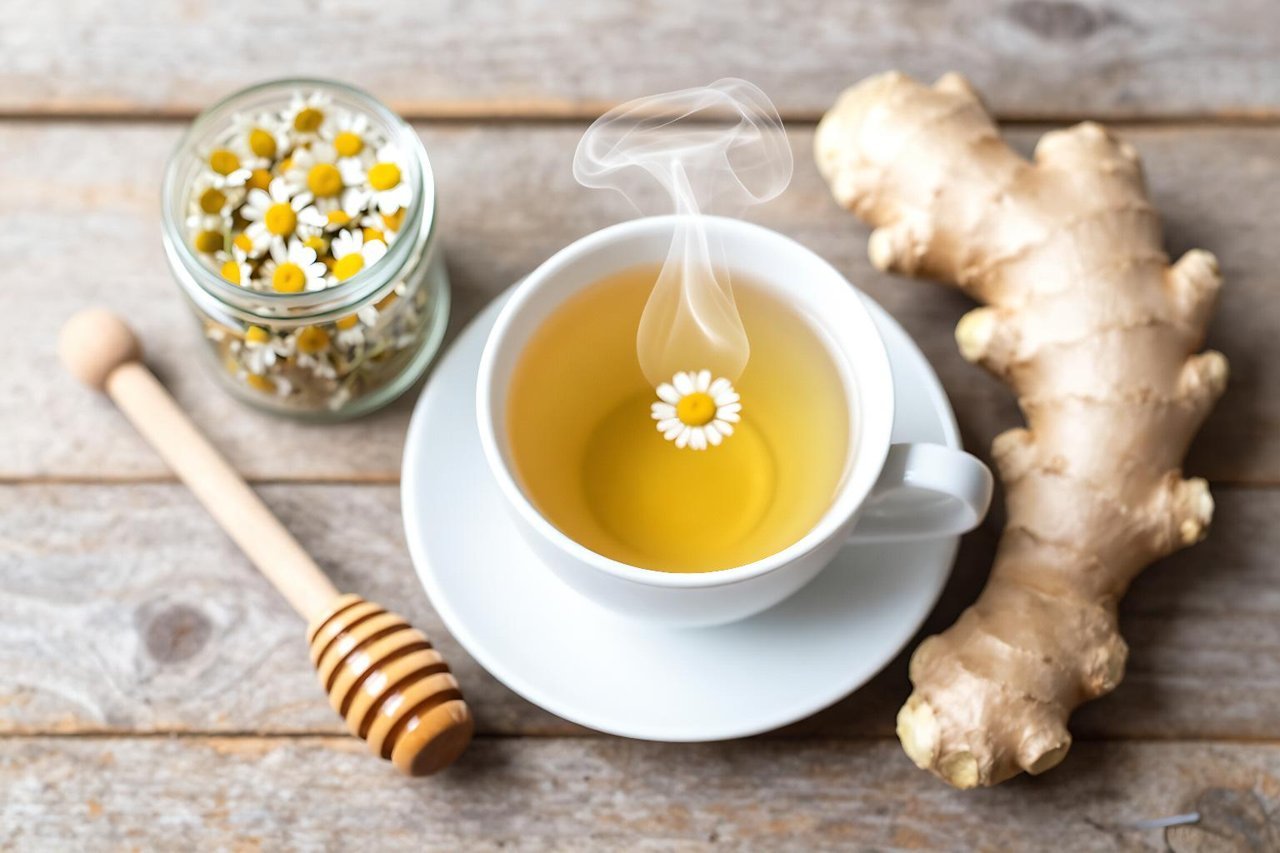
Here’s the timing: boil 240 ml (about one cup) of water, then let it sit for one minute. Meanwhile, put 2 heaped teaspoons (around 2 grams) of dried chamomile flowers in your mug. Pour the hot water over it, then place a saucer over the top of the mug. Steep for exactly 8 minutes. Strain into another warmed mug.
Why bother with the saucer? The calming part of chamomile is a volatile oil that can evaporate into the air. Covering the mug keeps it in the water. Timing matters even more: 8 minutes gives you a fragrant, mildly calming tea. If you forget and leave it for 18 minutes, you’ll get a much more bitter taste with no extra sleep. I learned that the hard way.
Step 4: Move to a decoction for roots and bark (ginger example)
When you need medicine from a root or seed, a short soak doesn’t work; you have to boil it. This is called a decoction. You’ll use this method for ginger, turmeric, burdock, and elderberry.
For a cold nose and a queasy stomach, try this: slice a 2-cm piece of fresh ginger (about 15 grams) into thin coins. No need to peel. Smash the coins with the side of your knife. Put them into a saucepan with 500 ml of cold water, cover, and bring to a boil. Reduce the heat to a gentle simmer for 15 minutes. Let it sit for another 5 minutes with the lid on, then strain into a large mug.
Ginger’s pungent compounds dissolve more quickly in boiling water, so this makes a noticeably spicier cup than a three-minute hot-water steep. For a portable sore-throat remedy, you can use the same strong-tea method with sage and turn it into a spray. See our DIY herbal throat spray recipe for exact measurements.
Step 5: Use one herb for seven days and keep a journal
Herbal remedies work for many people, but you need to know what works for you. Make quick notes each time you prepare something: date, time, herb, amount, and a one-to-ten symptom rating. For example:
Tuesday: no remedy; 63 minutes to fall asleep. Thursday: chamomile infusion, 1 cup, 8 min steep; 24 minutes. Saturday: skipped tea; 55 minutes. The pattern becomes obvious after a week, even without a spreadsheet. If you want more detail on how to measure and prep results, the natural remedies step by step guide covers it nicely.
One variable at a time is the rule that makes the experiment valid. If you drink chamomile every night, don’t also change your bedtime. Your journal should prove your process, not obscure it.
Three safety rules for your first herb shelf
Before you start stockpiling jars, memorise these. They are not optional.
- Check the Latin botanical name every time. “Wild herbs” can cause liver damage if misidentified.
- Start with half a normal dose. A single cup of strong chamomile may interact with blood-thinning medicines.
- Keep your doctor and pharmacist informed about daily herbs, especially if you take sedatives, blood pressure medication, or thyroid hormones. Herbs are medicine.
- If you get a skin rash, respiratory trouble, or stomach burning, stop that herb and choose a different one.
When you are ready, get a small amber jar, write the plant name and date on it, and put it near your kettle. Tonight’s project should be nothing fancier than an 8-minute chamomile infusion with a saucer on top. Once you’ve done that three nights in a row, let your own notes be the guide on what comes next.


