
Table of Contents
Picture this: you’re willing to give green tea a fair shot. You bought a box of tea bags, brewed a mug, and waited for the confidence and calm to materialise. Nothing happened. The reason usually isn’t the tea; it’s the execution. Stale leaves, boiling water, milk, and poor timing can strip away the compounds responsible for green tea benefits before you swallow.
This guide is a practical, step-by-step plan to fix those mistakes. Instead of another vague list of health claims, you’ll get an exact shopping checklist, brewing numbers, timing windows, and a sample day you can copy.
Step 1: Pick a Green Tea That Still Carries Its Antioxidants
The best brewing technique cannot resurrect dead leaves. Green tea’s main act is a group of antioxidants called catechins, and the most studied one is epigallocatechin gallate (EGCG). These compounds fade with time and light. A supermarket tea bag that’s been in a warehouse for two years is a pale shadow of what left the farm.
Your first step, therefore, is to buy fresh, whole-leaf green tea. If you can, choose a supplier that lists the harvest year, or at least buy from a shop that turns over its stock quickly. The leaves should look green and smell like cut grass or new spinach. If they smell musty, they belong in compost, not your mug.

If you’re the type of person who wants proof before switching brands, read our summary of the real green tea benefits. It will show you exactly which compounds you’re protecting and why freshness matters.
Three good green teas to start with
- Sencha (Japan): the everyday standard with a clean, grassy finish.
- Long Jing / Dragon Well (China): a nutty, more forgiving green that works with slightly cooler water.
- Matcha: ground whole leaves, so you’re consuming every antioxidant, not just what the water can remove.
Step 2: Brew at a Temperature Below a Rolling Boil
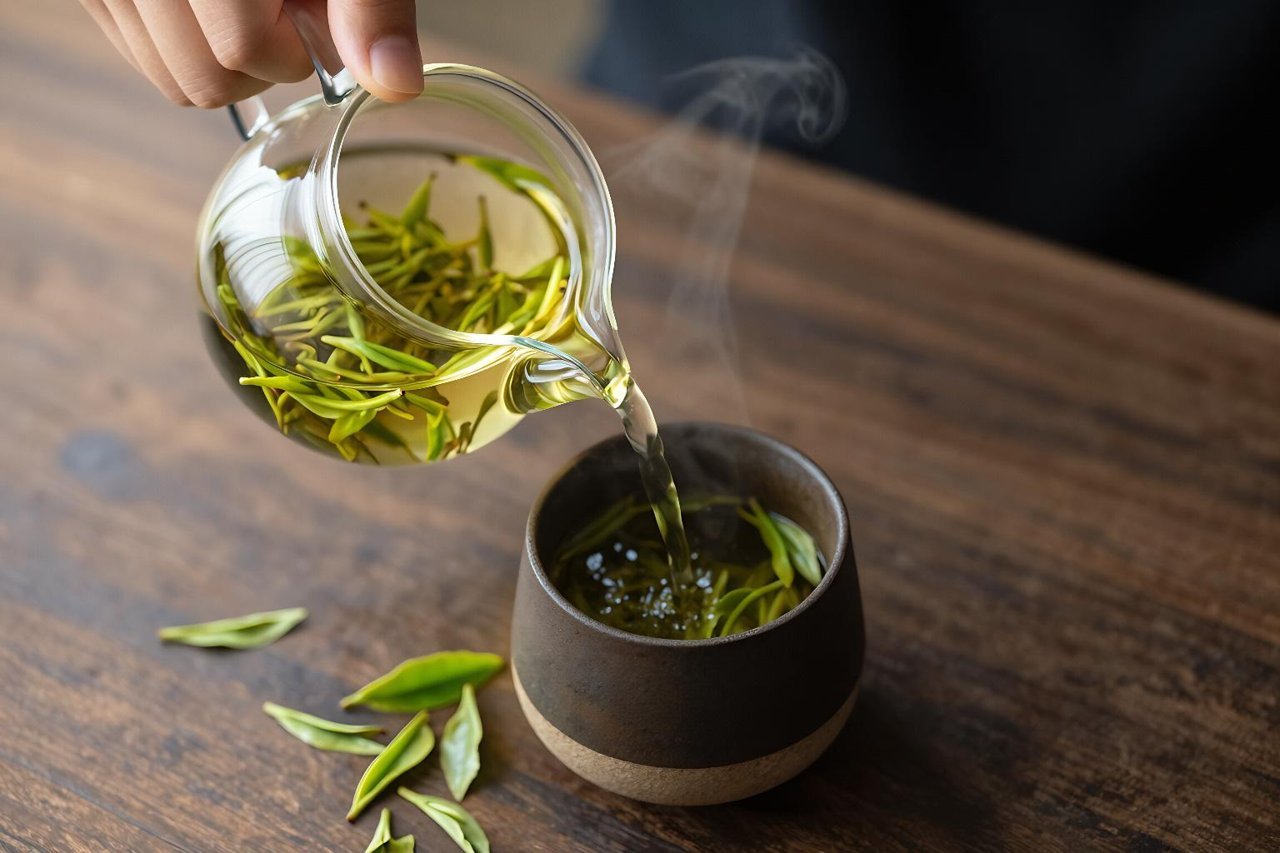
Many green tea drinkers ruin their cup with water straight from a kettle. Boiling water over-extracts tannins, creating a bitter, astringent liquid, and it can degrade some heat-sensitive catechins before they ever hit your bloodstream. The fix is easy: wait two to three minutes after the kettle boils before pouring. That usually brings the temperature down to roughly 70-80°C (158-176°F).
- Temperature: 70-80°C
- Leaves: 2 grams (about one teaspoon) per 240 ml of water
- Steep time: 1-2 minutes
If the tea tastes weak or thin, increase the amount of leaves. If it tastes harsh, lower the water temperature or shorten the steep. When using a tea bag, keep the same water temperature but steep for only 1-1.5 minutes, and do not squeeze the bag at the end; that only releases more tannin.
Step 3: Learn What to Add (and What Not to Add)
Here’s a common mistake: pouring milk into green tea. Some research on other teas suggests that casein, a protein in milk, can reduce the antioxidant activity of catechins by binding to them. The studies on green tea are not completely conclusive, but milk is an optional addition. If you’re drinking green tea for the benefits, you’d probably rather not gamble on losing them.
A slice of lemon is a better choice. The vitamin C in lemon may actually help stabilise catechins in the intestine, and the acidity brightens the flavours. Just a small wedge is enough.
Green tea also pairs beautifully with ginger. A couple of thin slices of fresh ginger add warmth and its own set of soothing compounds. If you’ve never brewed ginger tea by itself, our ginger guide explains the exact slicing, infusing, and steeping steps.
Step 4: Time It Around Your Meals (Especially Iron-Rich Ones)
Green tea is rich in tannins, which can bind to non-heme iron from plant sources and reduce its absorption. One cup with a meal can lower the iron your body absorbs by as much as 70%. That matters if you are vegetarian, vegan, or have low iron stores. The simple fix: drink green tea at least one hour before or after a meal, and don’t pair it with spinach salads, lentil soups, or iron-fortified cereals.
The timing also matters for caffeine. Green tea contains about 30-50 mg per cup, less than coffee, but still enough to interfere with sleep if you drink it after dinner. A practical rule is to finish your last cup by 2 pm, especially if you’re a sensitive sleeper.
When I help people build a daily health routine, I see this kind of timing logic applied to supplements as well. For example, magnesium is better taken in the evening for sleep support, and not alongside an iron-rich meal. If you want to understand the full scope of ways magnesium can help, our magnesium benefits article lists seven evidence-backed effects.
Step 5: Make It Ritual, Not One-Off: Build a Repeatable Routine
The benefits of green tea generally emerge after weeks of regular use. So the last step is to make the habit hard to skip. Here are some tactics I use with clients.
- Store tea correctly: keep it in a sealed tin away from light and away from your spice rack. No windowsill storage.
- Leave the kettle and tea on the counter as a visual cue. You are more likely to make tea at 3 pm if you don’t have to dig it out.
- Use a timer or a tea infuser with a built-in timer so you can walk away and not let it over-steep.
- Drink the second steep. Good loose-leaf green tea can be re-steeped one or two times. The second cup is milder and has less caffeine, making it a great afternoon option.
- Keep a small travel infuser in your bag so you don’t fall back on coffee when you’re out.
Putting It All Together: A Sample Green Tea Day
- 7:30 am: Wake up and drink a full glass of water. If I’m doing an apple cider vinegar shot, I handle it now so it never meets my tea. The step-by-step protocol in our ACV guide makes it easy to stomach.
- 8:00 am: Breakfast with eggs and whole-grain toast. I skip the green tea with this meal because eggs contain iron and I want to absorb it fully.
- 10:30 am: First green tea of the day. I use about 2 grams of sencha in a 240 ml cup, wait two minutes after the kettle boils, and steep for 90 seconds.
- 1:30 pm: Lunch, usually a quinoa and lentil bowl. I keep tea aside again to protect iron absorption.
- 2:30 pm: Second infusion from the same leaves. Add water at a lower temperature, around 70°C, and steep for two minutes.
- 5:00 pm: If I want something warm, I choose plain herbal tea, never green tea.
By the end of that day, you’ve had around two cups of green tea plus a bonus infusion, which gets you into the range where the compounds can really accumulate. You also protected your iron, avoided a caffeine crash late in the day, and made the process automatic. One decent cup repeated daily is more powerful than a perfect cup you quit after a week. Brew well and let the routine do the heavy lifting.


