
Table of Contents
Heart disease is still the leading cause of death worldwide, and what you eat plays a huge role. But ask ten people what to eat for a healthier heart and you’ll get ten different answers. Some swear by Mediterranean olive oil, others by DASH’s strict sodium limits, still others by a fully plant-based plate. Each has solid science behind it. So which one actually delivers? Instead of another list of “superfoods,” let’s compare the main contenders, look at their trade-offs, and figure out what belongs on your plate.
The Three Main Approaches to Foods for Heart Health
Mediterranean: The Flexible Favorite
The Mediterranean pattern emphasizes olive oil, fish, nuts, seeds, fruits, vegetables, whole grains, beans, and moderate dairy. Red meat and sweets are occasional. The PREDIMED trial, published in 2013, found that people eating a Mediterranean diet supplemented with olive oil or nuts had about a 30% lower risk of major cardiovascular events compared to a control diet. That’s a big number.
Pros: It’s delicious, socially flexible, and easy to follow long-term. Cons: Fresh fish, good olive oil, and nuts can be pricey. The traditional recommendation for moderate red wine doesn’t suit everyone, especially if you have a history of alcohol issues or certain medications.
DASH: The Blood Pressure Specialist
DASH stands for Dietary Approaches to Stop Hypertension. It was developed by the National Institutes of Health specifically to lower blood pressure. The focus: fruits, vegetables, whole grains, lean proteins, low-fat dairy, and limited sodium (ideally 1,500–2,300 mg per day). Sweets and red meat are kept to a minimum.

Pros: It works fast. Studies show DASH can lower systolic blood pressure by 5–11 mm Hg within weeks. Cons: Tracking sodium is tedious. The diet also caps total fat, so you won’t be drizzling olive oil freely. Some people find it less satisfying than Mediterranean-style eating.
Plant-Based: The Fiber Champion
Plant-based eating—whether vegan or vegetarian—centers on legumes, whole grains, nuts, seeds, fruits, and vegetables. Animal products are eliminated or sharply reduced. Pioneering doctors like Dean Ornish and Caldwell Esselstyn have used very low-fat plant-based diets to reverse heart disease in some patients.
Pros: Highest fiber intake, lowest saturated fat, and plenty of antioxidants. Cons: You’ll need a B12 supplement. Social gatherings can be awkward. And “plant-based” doesn’t automatically mean healthy—vegan burgers, fries, and sugary oat milk lattes are still junk food.
Where They Agree: The Core Foods for Heart Health
Despite their differences, all three patterns point to the same heroes. If you eat more of these, you’re winning regardless of which label you prefer:
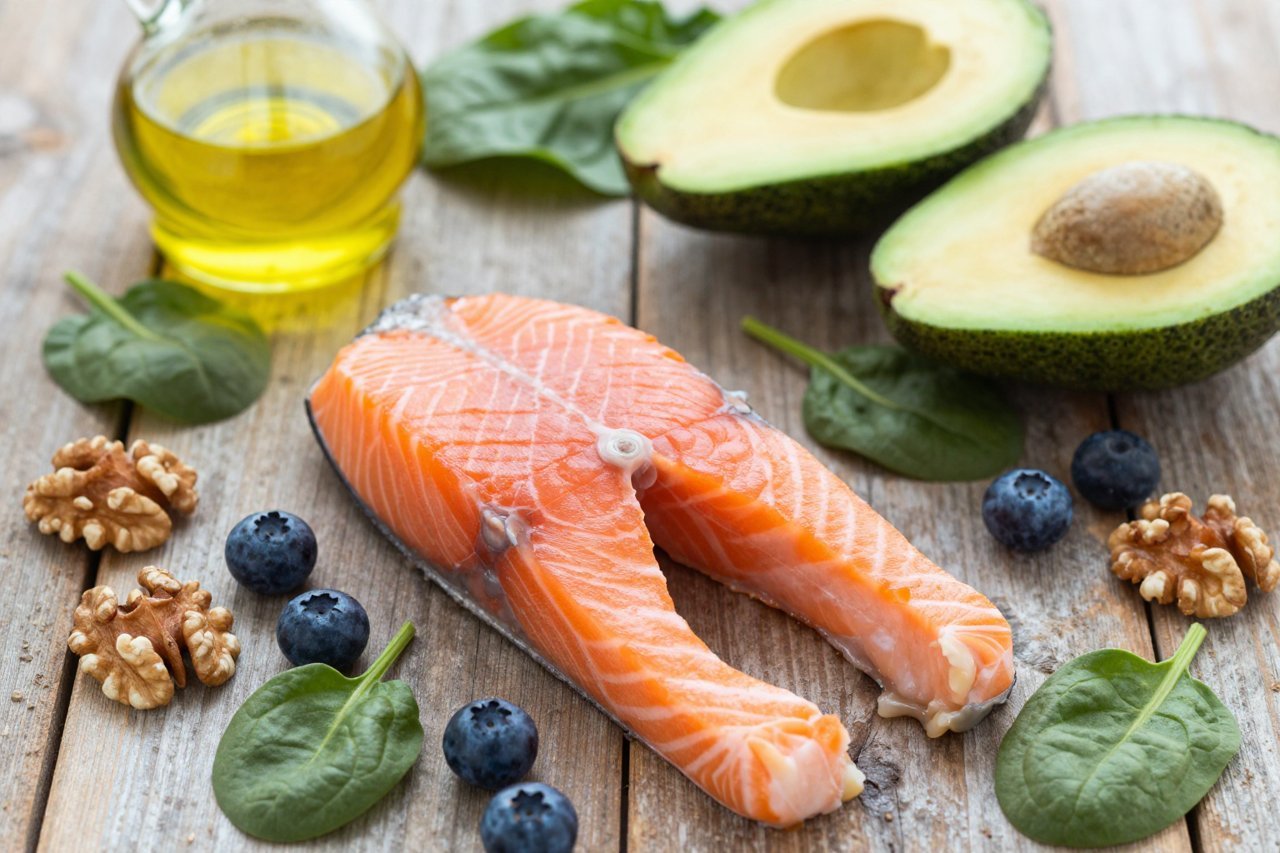
- Leafy greens (spinach, kale, arugula): rich in nitrates, potassium, and magnesium, which help relax blood vessels.
- Berries (blueberries, strawberries, raspberries): loaded with anthocyanins linked to lower blood pressure and improved cholesterol.
- Oats and barley: their beta-glucan soluble fiber can lower LDL cholesterol by 5–10% when you get about 3 grams per day.
- Beans and lentils: fiber and plant protein with zero saturated fat. A half-cup of cooked lentils gives you 8 grams of fiber.
- Nuts, especially walnuts and almonds: unsaturated fats, omega-3s (walnuts), and plant sterols that block cholesterol absorption.
- Fatty fish (salmon, mackerel, sardines): omega-3 fatty acids that reduce inflammation and triglycerides. Aim for two servings a week.
- Olive oil: monounsaturated fat and polyphenols. Extra-virgin is the least processed and highest in antioxidants.
- Avocados: potassium and monounsaturated fat. A 2018 study found that one avocado a day lowered LDL cholesterol in overweight adults.
The Real Trade-Offs: Fat, Sodium, and Carbs
Here’s where the comparison gets practical. Each pattern has a weakness you need to manage.
Fat: Mediterranean and plant-based diets embrace unsaturated fats from olive oil, nuts, and avocados. DASH limits total fat and saturated fat. If your main goal is lowering LDL cholesterol, replacing saturated fat (butter, cheese, fatty meat) with unsaturated fat is the single most effective dietary change.
Sodium: DASH is strict for a reason—excess sodium raises blood pressure in salt-sensitive people. Mediterranean and plant-based diets can be just as salty if you rely on processed foods, restaurant meals, or salty cheeses. Reading labels matters in all three.
Carbohydrates: Plant-based diets can be high in carbs. That’s fine if the carbs come from whole foods, but refined grains and sugars spike blood sugar. If you’re managing diabetes alongside heart health, the trade-offs shift. This comparison of low-carb, Mediterranean, plant-based, and plate method approaches for diabetes breaks down which pattern works best for blood sugar control.
Protein: Animal vs. plant protein is a genuine fork in the road. Lean chicken and Greek yogurt offer complete protein with less saturated fat than red meat, while lentils and beans give you fiber and phytonutrients. If you’re stuck on what to put in the center of your plate, this side-by-side look at chicken, lentils, and Greek yogurt helps you weigh the pros and cons.
Practical Playbook: How to Choose Without Overthinking
You don’t have to be a purist. The best approach is a hybrid that fits your health goals, budget, and taste buds. Here’s how to decide:
- If you have high blood pressure: Start with DASH principles—cut sodium, boost potassium-rich fruits and vegetables. You can still add olive oil and nuts in moderation.
- If you want flexibility and enjoy cooking: Go Mediterranean. It’s the easiest to sustain long-term and has the strongest overall evidence for heart health.
- If you’re motivated by ethics or the environment: Choose plant-based, but prioritize whole foods. Add fish twice a week if you’re vegetarian and want omega-3s.
- If you hate tracking: Use the plate method—half non-starchy vegetables, a quarter lean protein, a quarter whole grains. It works with any of the three patterns.
Once you’ve picked a direction, the next hurdle is the grocery store. A real-world grocery list that works makes any heart-healthy pattern easier to follow. If willpower is your bottleneck, this 7-step plan to eat better without willpower focuses on small habit changes instead of strict rules. And for a broader practical guide to heart-healthy foods, this resource covers the essentials without overwhelm.
Your Next Step: One Swap at a Time
Don’t overhaul your entire diet tonight. Pick one swap: replace white rice with brown rice, use olive oil instead of butter, or add a handful of spinach to your pasta sauce. Do that for a week. Then add another. The research on heart health isn’t about perfection—it’s about consistent, moderate improvements that add up over years. Whether you lean Mediterranean, DASH, or plant-based, the foods that protect your heart are remarkably similar. Choose the pattern you’ll actually stick with, and let the trade-offs guide your personal tweaks.


