
Table of Contents
Somewhere between a viral video and your bathroom mirror, a beauty hack that sounded brilliant turns into a red, stinging patch of skin. It happens constantly, and rarely because the tip was outrageous. Usually the idea was half right, applied at the wrong strength, on the wrong skin, for the wrong amount of time.
That distinction matters, because the internet treats beauty advice as either gospel or garbage. In reality, most hacks are conditional. They work for a specific skin type, hair texture or climate, then fall apart everywhere else. Here are the mistakes and myths that cause the most damage, and how to spot them before you commit.
Myth one: “natural” ingredients can’t hurt you
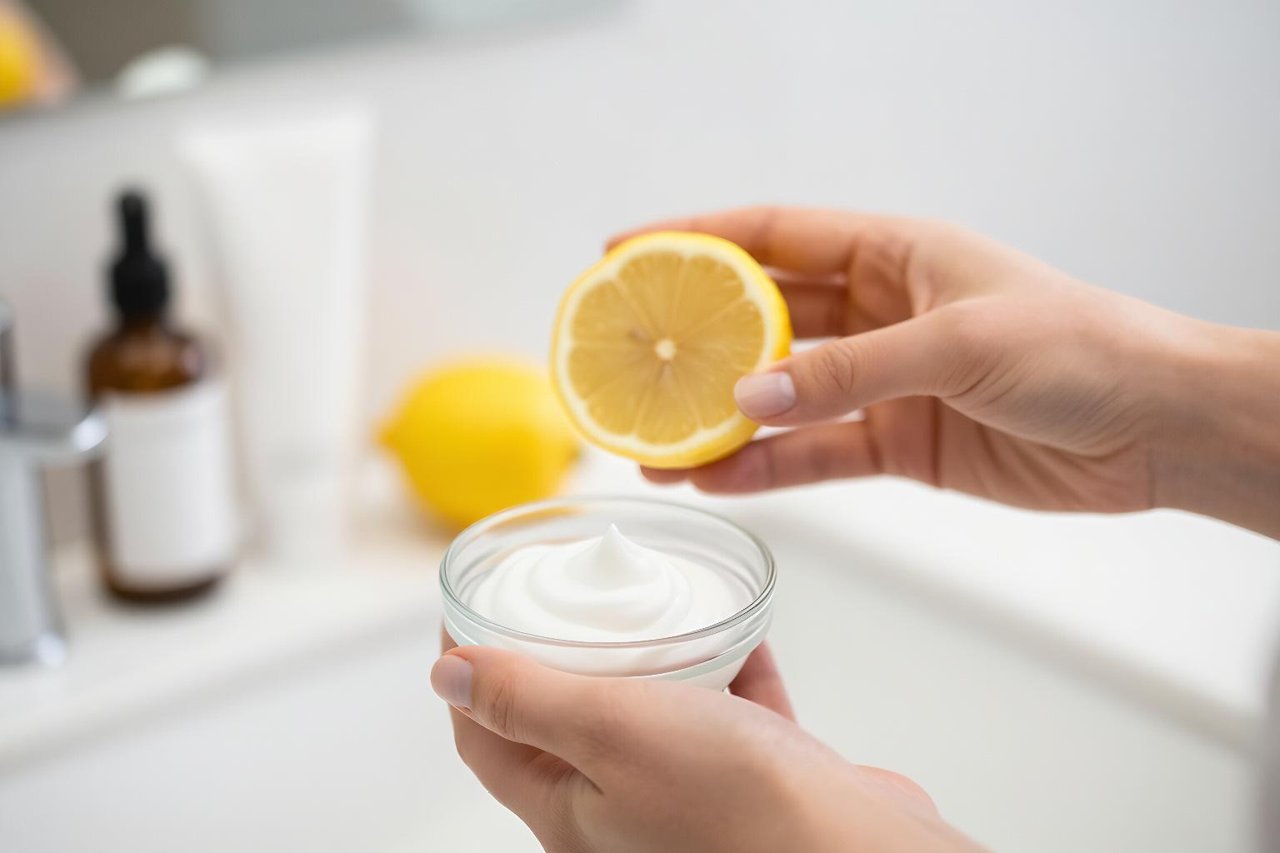
Lemon juice sits at a pH of roughly 2. Baking soda hovers near 9. Your skin’s acid mantle prefers to stay between about 4.5 and 5.5, and both kitchen staples shove it violently out of range. The result is not a glow. It’s stinging, redness and a barrier that takes days to recover.
Lemon juice is the classic offender because it genuinely does exfoliate and can fade pigment. It’s also phototoxic, which means sunlight turns it against you and can leave dark streaks that outlast the spot you were trying to fix. Baking soda as a face scrub is worse: the particles are sharp, and the alkalinity strips the oils your skin needs to stay calm.

The same pattern repeats across dozens of home remedies. If you’ve been mixing things from the kitchen cupboard and wondering why your skin looks worse, the nine natural beauty mistakes that quietly sabotage your skin are worth reading before your next experiment. “Natural” describes where an ingredient came from, not what it does once it’s on your face.
Myth two: if a little works, more works faster
This is the single most expensive belief in skincare. A 2% retinol is effective. A 2% retinol applied twice daily, layered under glycolic acid, is a chemical burn waiting for a weekend.
Over-exfoliating is the most common version of the mistake. Three acids, a physical scrub and a cleansing brush in the same week doesn’t accelerate anything. It removes the top layer faster than your skin can rebuild it, and barrier damage typically takes two to four weeks to repair. That’s a bad trade for five days of temporary smoothness.
Watch for the early signals: tightness after cleansing, products that suddenly sting when they never used to, and a flush that lingers longer than twenty minutes. When those appear, cut back to cleanser, moisturiser and sunscreen for a fortnight. Boring, but it works faster than any rescue mask.
The order problem: good products, wrong sequence
Plenty of people own a solid routine and still get mediocre results because of sequencing. The rule is straightforward, and it exists for a reason.
Thinnest to thickest
Watery essences and serums go first, then lotions, then creams, then oils. Put a heavy cream on bare skin and everything you layer on top of it just sits there. Occlusive products are a lid, not a delivery system.
Actives need breathing room
Retinol and strong acids don’t play well in the same layer. If you use both, split them across nights. Vitamin C in the morning, retinol at night, is a schedule most skin types tolerate. Stacking them within sixty seconds of each other is how people end up with raw, flaking cheeks for a week.
Technique matters as much as order, and small adjustments to how you apply things often deliver more than buying a new product. A proper step-by-step routine for salon-level results at home is a better investment than another impulse serum.
The hacks that quietly wreck your hair
Hair myths are stickier than skincare ones because the damage accumulates slowly. These are the ones that show up most often:
- Straightening or curling soaking-wet hair. Water inside the strand boils and expands, cracking the cuticle from within. The sizzle isn’t moisture leaving, it’s structural damage.
- Brushing wet hair from the roots down. Wet hair stretches up to 30% before snapping. Start at the ends with a wide-tooth comb and work upward.
- Believing dry shampoo replaces washing. It soaks up oil but leaves residue that clogs the scalp. Two days is fine, a week is a follicle problem.
- Trimming less often to grow hair longer. Split ends travel upward. Dusting the ends every 10 to 12 weeks is what actually retains length.
One person’s holy grail is another person’s breakout
Coconut oil has a comedogenic rating of 4 out of 5. For someone with dry, non-acne-prone skin it’s a lovely night moisturiser. For someone prone to congestion, it’s a fast track to closed bumps along the jawline. Same jar, opposite outcomes.
Essential oils behave similarly. Tea tree can calm a spot; undiluted, it can leave a chemical burn. Lavender and citrus oils are common contact sensitisers, meaning the reaction gets worse with each exposure rather than better.
This is why patch testing isn’t optional. Apply a small amount behind your ear or on your inner forearm, leave it 24 hours, and check for redness, itching or swelling. It costs you one evening and prevents the kind of reaction that takes a dermatologist visit to undo.
The quick-fix trap
Here’s the uncomfortable part. Most hacks are designed to solve a problem for a day, not to change anything. Haemorrhoid cream on puffy eyes, dental floss to slice a pimple, hairspray to set makeup. They can deliver a visible short-term result, and every one of them carries a cost.
None of that means quick fixes are useless. It means they should be treated as occasional tools, not as your routine. Weighing where the line sits between a fast win and a habit worth building is genuinely tricky, which is why this honest breakdown of quick-fix beauty hacks versus long-term habits is worth ten minutes of your time. The short version: use the fix, but don’t let it replace the basics.
Hacks that travel badly
Advice that works at home often fails in transit. Cabin air sits around 10 to 20% humidity, which is drier than most deserts, so skin that’s balanced in your living room can turn tight and flaky four hours into a flight.
Three mistakes show up constantly. Decanting products into unlabelled bottles and forgetting what’s in them. Mixing DIY treatments in advance, which gives bacteria a head start in a warm toiletry bag. And applying a heavy mask the night before flying, which leaves skin sensitised just as it meets recycled air.
If you fly often, a set of tested travel beauty hacks for long-haul and short flights will save you more grief than any single product. Sheet masks, a barrier balm and a refillable water bottle cover most of it.
How to tell a good hack from a bad one
Before trying anything new, run it through these filters. They take thirty seconds and catch the majority of bad advice.
- Does it have a plausible mechanism? “Cold reduces puffiness by constricting blood vessels” makes sense. “This raises your vibration” doesn’t.
- Is there a safe margin for error? A hack that’s mildly ineffective is fine. One that can burn, blister or scar is not worth testing.
- Does the source have something to sell? A tip that ends with a specific discount code deserves more scepticism than one that doesn’t.
- Has it been tested on skin like yours? Advice from someone with oily, resilient skin may be actively harmful for reactive or rosacea-prone skin.
- What’s the failure mode? If the worst case is that nothing happens, go ahead. If the worst case involves a pharmacy trip, skip it.
And when in doubt, start with a half dose. Half the concentration, half the frequency, half the area. Give it a week before you decide anything. Most irritant reactions build up over repeated exposure rather than appearing instantly, so a single good day tells you almost nothing.
The hacks worth keeping are the unglamorous ones: a clean pillowcase, sunscreen reapplied properly, a consistent cleansing routine, and enough patience to let a product work for six weeks before you abandon it. Everything else is decoration.


