
Table of Contents
The eye cream aisle is a strange place. Tiny jars with big promises, prices that swing from $10 to $300, and labels full of words you’ve never heard of. If you’re new to skincare, it’s easy to freeze up or grab whatever’s on sale. But finding the best eye cream for you doesn’t have to be a guessing game. It starts with understanding a few basics about the skin you’re trying to treat.
This guide is for beginners. We’ll cover why the under-eye area is different, what eye creams can actually do, the ingredients that matter, and how to pick a product without wasting money. By the end, you’ll know exactly what to look for.
Why Your Under-Eye Skin Needs Its Own Cream
The skin around your eyes is the thinnest on your body—about 0.5 millimeters thick, compared to 1.5 millimeters on the rest of your face. It also has fewer oil glands and less collagen support. That makes it more prone to dryness, fine lines, and puffiness.
Because it’s so delicate, regular face creams can be too heavy or irritating. Eye creams are formulated with gentler ingredients and lighter textures that won’t migrate into your eyes. They’re not just marketing—they serve a purpose.

What Eye Creams Can (and Can’t) Do
Let’s set realistic expectations. No eye cream will erase deep wrinkles or completely remove genetic dark circles. What they can do is hydrate, temporarily reduce puffiness, soften the look of fine lines, and over time, improve the appearance of dark circles and skin texture.
Consistency is key. You won’t see results overnight. Give any new eye cream at least four to six weeks of regular use before you judge it.
The Main Under-Eye Concerns and What to Look For
Dark Circles
Dark circles come in different forms: pigmentation (brownish), vascular (bluish or purple), or structural (shadowing from hollows). For pigmentation, look for vitamin C, niacinamide, or retinol. For vascular, caffeine and vitamin K can help constrict blood vessels. If you’re not sure which type you have, tips for choosing an eye cream for dark circles can help you narrow it down.
Puffiness
Puffiness is often caused by fluid retention, allergies, or genetics. Caffeine is the star here—it constricts blood vessels and reduces swelling. Peptides and cooling ingredients like cucumber or green tea can also help.
Fine Lines and Wrinkles
Retinol is the most proven ingredient for fine lines, but it can be irritating. Start with a low concentration (0.01% to 0.03%) once or twice a week. Peptides and hyaluronic acid are gentler alternatives that plump and hydrate.
Dryness
If your under-eyes feel tight or flaky, you need hydration. Hyaluronic acid, ceramides, glycerin, and squalane are your friends. These ingredients pull water into the skin and strengthen the barrier.
Key Ingredients 101: What Actually Works
Here’s a quick cheat sheet of the most common eye cream ingredients and what they do:
- Retinol: Boosts collagen, smooths fine lines. Use at night, start slow.
- Peptides: Building blocks of protein, help firm and hydrate.
- Caffeine: Reduces puffiness and constricts blood vessels.
- Hyaluronic acid: Holds up to 1,000 times its weight in water, plumps skin.
- Vitamin C: Brightens dark circles and protects against free radicals.
- Niacinamide: Strengthens barrier, reduces inflammation, evens tone.
- Ceramides: Restore the skin’s natural barrier, lock in moisture.
If you’re torn between the three most popular actives—retinol, peptides, and caffeine—this guide on how to choose between retinol, peptides, and caffeine breaks down which one suits your concern.
How to Choose the Best Eye Cream for You
There’s no single “best” eye cream—only the best one for your skin. Start by identifying your primary concern. Is it dark circles, puffiness, fine lines, or dryness? That will guide your ingredient search.
Next, consider texture. Gels are lightweight and great for puffiness or oily skin. Creams are richer and better for dryness or mature skin. Serums are thin and pack a high concentration of actives.
Packaging matters, too. Airless pumps and tubes protect ingredients from air and bacteria. Jars look pretty but expose formulas to contamination.
For a structured approach, try a step-by-step method to match eye cream to your concerns. And if you’ve already tried a few and nothing worked, you might be falling into common mistakes that keep you from finding the right one.
How to Apply Eye Cream (Without Wasting It)
Less is more. A pea-sized amount is enough for both eyes. Using more won’t speed up results and can cause milia or irritation.
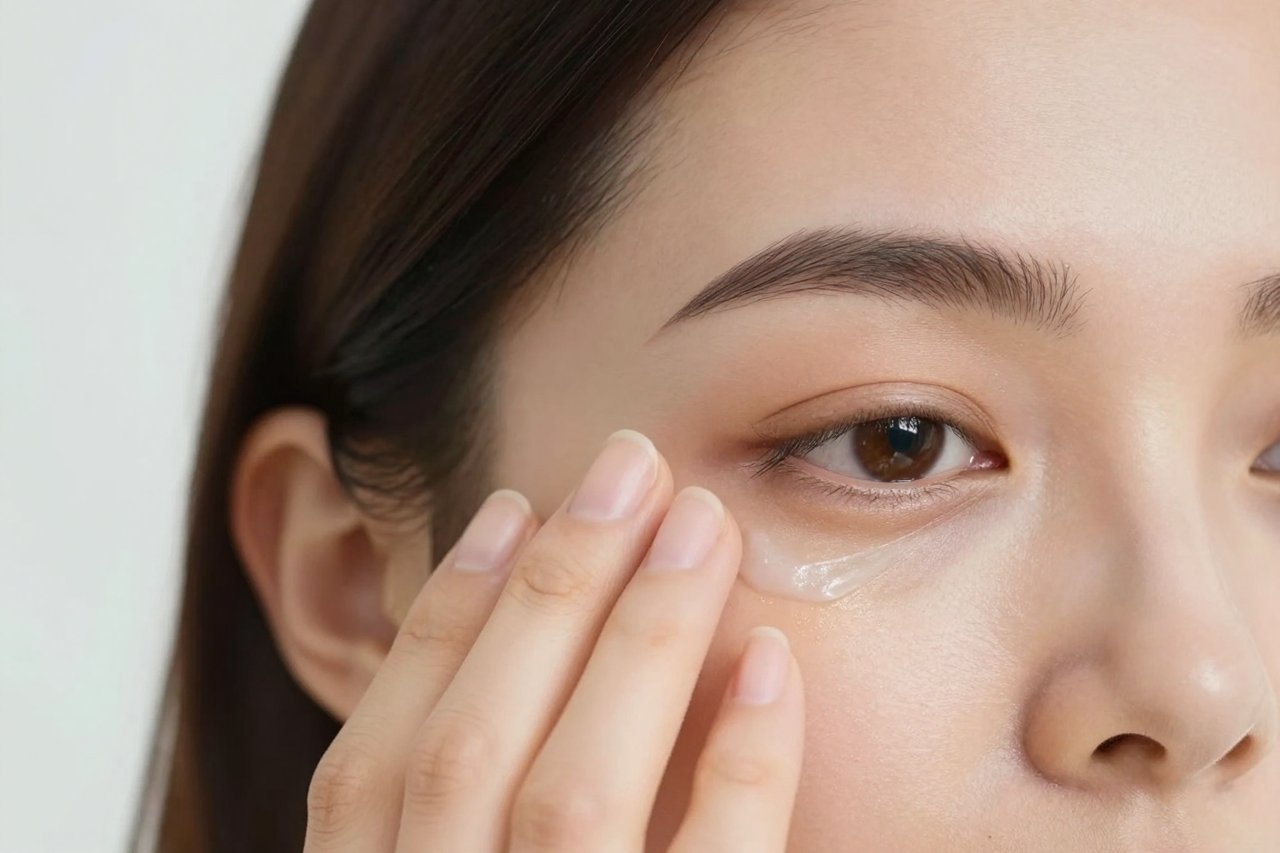
Dot the cream along the orbital bone—not directly on your lash line—and tap gently with your ring finger. Your ring finger applies the least pressure. Start from the inner corner and work outward, then lightly press along the brow bone.
Apply after your serum and before your moisturizer. In the morning, follow with sunscreen. At night, you can layer a retinol eye cream under a heavier moisturizer if your skin is dry.
Common Beginner Mistakes to Avoid
- Using too much product.
- Applying too close to the eye, which can cause irritation.
- Expecting overnight miracles.
- Skipping patch tests—always test on your inner forearm for 24 hours.
- Using the same eye cream for every concern. Your needs change with seasons and age.
Building a Simple Eye Cream Routine
If you’re just starting out, keep it simple. In the morning, cleanse, apply a caffeine or vitamin C eye cream, then sunscreen. At night, cleanse, apply a hydrating or retinol eye cream, then moisturizer.
Start with a basic hydrating eye cream for two weeks. If your skin tolerates it, add a targeted active like retinol or vitamin C. Don’t introduce multiple new products at once.
A Note on Price and Packaging
You don’t need to spend a fortune. Some drugstore eye creams contain the same proven ingredients as luxury ones. What matters is the formula, not the price tag. Look for airtight packaging and a short ingredient list that targets your concern.
When to See a Dermatologist
If your under-eye concerns are severe—deep hollows, persistent puffiness, or dark circles that don’t respond to any cream—a dermatologist can offer treatments like fillers, lasers, or prescription-strength retinoids. Eye creams are a great starting point, but they’re not a cure-all.
Start Simple, Stay Consistent
The best eye cream is the one you’ll actually use every day. Don’t get overwhelmed by the options. Pick a product that matches your main concern, apply it gently, and give it time. Your under-eye skin will thank you.


