
Table of Contents
The first real attempt at natural remedies usually goes one of two ways. You either buy sixty pounds’ worth of tinctures and powders that end up at the back of a drawer, or you get lucky with something ordinary, like a spoon of honey or a mug of ginger tea, and wonder why you didn’t start there.
The gap between those two outcomes isn’t luck. It’s knowing a handful of fundamentals before you spend anything. If you’ve never made a herbal infusion, can’t tell an infusion from a decoction, and don’t know which supplements interact with prescriptions, this is the place to begin.
What “natural” actually means
Natural describes where something came from, not whether it’s safe. Hemlock is a plant. Arsenic is a mineral. Both will ruin your week.
The useful distinction is concentration. A cup of chamomile tea delivers a mild, watery extract of the plant. A chamomile capsule might contain 20 times the active compounds. Same plant, very different dose, and dose is what separates a gentle sleep aid from a reaction. That’s why a herb that’s fine as a tea can still cause problems as a concentrated extract.

Plants are also chemically messy. A single leaf holds hundreds of compounds, some helpful, some irritating, and the balance shifts with soil, harvest time and how the material was dried. This is why consistency is hard and why “it worked for my neighbour” is weak evidence.
The four buckets most remedies fall into
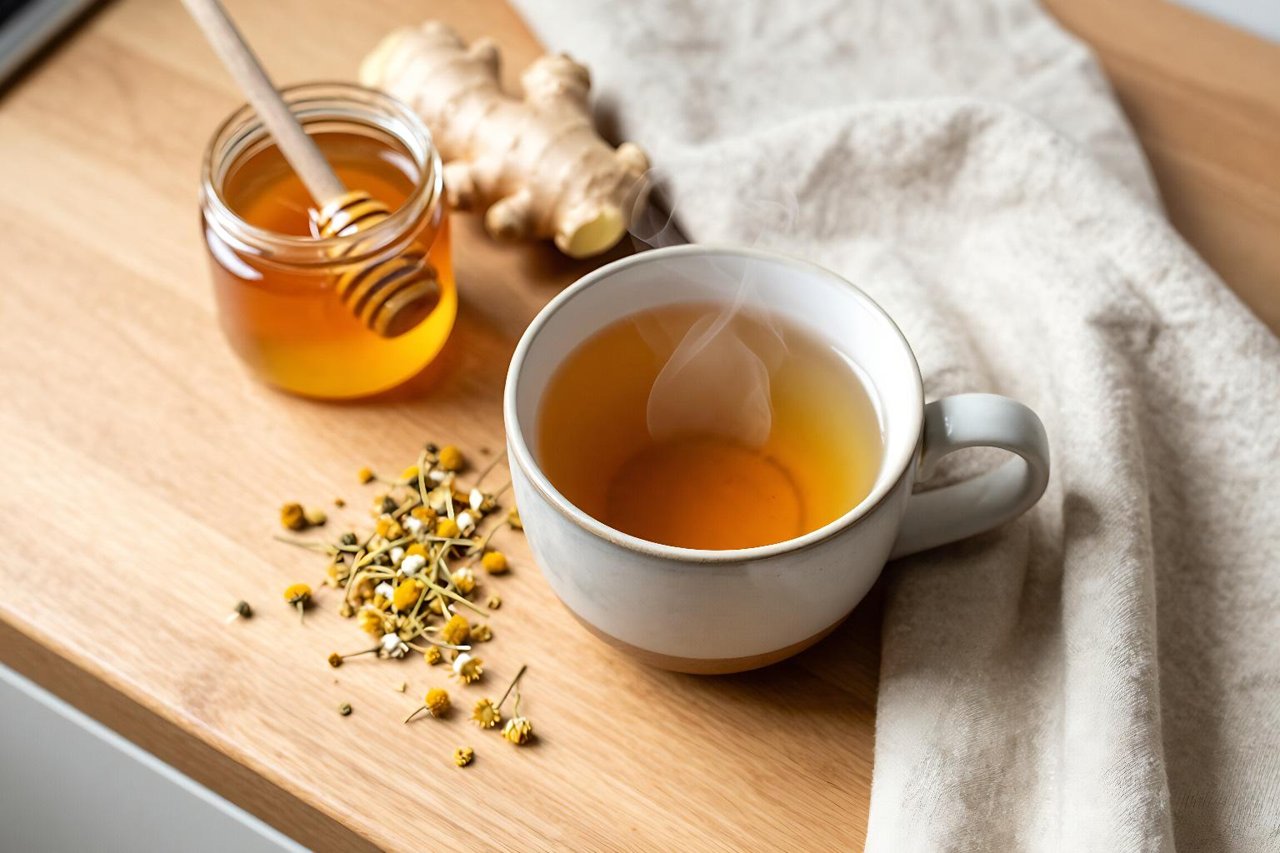
- Herbs. Dried or fresh plant material used as tea, poultice, steam or gargle. Thyme for a cough, peppermint for indigestion, calendula on minor scrapes. Cheap, flexible, and forgiving if you stick to culinary amounts.
- Kitchen cures. Things already in your cupboard: honey, salt, oats, vinegar, ginger, bicarbonate of soda. Honey has decent trial evidence for soothing a cough in adults and children over one. Salt water does more for a sore throat than most lozenges.
- Supplements. Capsules, tablets and powders with isolated or concentrated compounds. Magnesium glycinate for night cramps, vitamin D in winter, zinc at the first sign of a cold. Convenient, but the group most likely to be overdone and most likely to interact with medication.
- Physical measures. Steam, heat, cold packs, saline rinses, sleep, fluids. The least glamorous bucket and the one that quietly does the most work.
Knowing which bucket you’re in matters, because each has different risk. A comparison of herbs, kitchen cures and supplements is worth reading once you’ve got the basics, since the trade-offs aren’t obvious from the packaging.
Change one thing at a time
Beginners tend to layer. Three new teas, a magnesium powder and an oil blend in the same week. Then a rash appears, or the headaches stop, and you have no idea which change did it.
Try one thing for a week before adding another. If you’re testing something for a specific problem, keep a two-line note each day: what you took, what changed. It sounds fussy. It takes twenty seconds and it turns guesswork into something you can actually evaluate.
Preparation changes the result more than you’d think
The same herb, handled properly or badly, behaves like two different remedies.
Leaves and flowers get infused
Pour just-boiled water over the plant material, cover the cup, and wait 10 to 15 minutes. The lid isn’t decorative. Peppermint and chamomile keep their useful oils in the steam, and an uncovered mug lets most of that drift away. One heaped teaspoon of dried herb to 250ml of water is a sensible starting strength.
Roots and bark get simmered
Tough plant material won’t give up its compounds in a quick steep. Ginger root, cinnamon bark and liquorice need 15 to 20 minutes at a low simmer. That’s a decoction, and it’s stronger than the same weight of leaves would be as a tea.
Ratios, timing and storage (most infusions are best drunk the same day) are set out clearly in this walkthrough of prepping and using natural remedies. Read it before you buy loose herbs, not after.
How long before you decide it’s working
Different remedies run on different clocks, and judging them all by the same stopwatch is how people give up on things that would have helped.
Honey on a scratchy throat or a saline rinse for congestion can give relief within minutes. Sleep herbs like valerian or passionflower usually need a few nights. Magnesium for muscle cramps often takes two to four weeks to show a difference. Anything aimed at a long-running problem should be judged over weeks, not hours.
If there’s no change at all by a reasonable deadline, stop. Don’t double the dose to force a result. The reason it isn’t working is often about method rather than the remedy itself, and the common reasons natural remedies fail cover most of the usual suspects.
The safety checks worth doing every time
Medications
This is the one people skip. St John’s wort speeds up the breakdown of several drugs, including the contraceptive pill and some antidepressants, which can make them stop working. Ginkgo, turmeric in high doses and fish oil all thin the blood a little, which matters if you’re on warfarin or heading for surgery. Check before you combine, not after.
Who should be more cautious
Pregnancy, breastfeeding, children under 12, and anyone with liver or kidney disease needs professional advice rather than internet advice. No honey for babies under one year, full stop. Stop most herbal supplements two weeks before any planned operation.
Allergy and skin reactions
Chamomile, echinacea and other daisy-family plants can trigger reactions in people with ragweed allergies. Essential oils should be diluted in a carrier oil, roughly 2 to 3 drops per 10ml, before they touch skin. Patch-test on the inner forearm and wait 24 hours.
Small misjudgements add up quickly. A look at how home remedies go wrong is a useful reality check on the errors that turn a minor complaint into a clinic visit.
What to leave on the shelf
Skip anything promising a detox, a full immune overhaul or a cure for a named disease. Those claims are a reliable signal of marketing rather than evidence. Colloidal silver has no proven benefit and a known risk of permanent skin discolouration. Undiluted essential oils on skin burn. Herbal weight-loss blends frequently contain laxatives or unlisted pharmaceuticals. And nothing sold as a remedy should replace prescribed medication for asthma, diabetes, epilepsy or heart conditions.
A starter kit that fits in one drawer
You can cover most everyday household complaints with a short, boring list:
- Runny honey, for coughs and minor scrapes once the wound is clean
- Fresh ginger root, for nausea and chills
- Dried peppermint or chamomile, for indigestion and sleep
- Dried thyme, for coughs, either as a tea or in a steam bowl
- Plain oats, for itchy skin in a lukewarm bath
- Saline sachets or a neti pot, for congestion
- A digital thermometer
Every item costs a few pounds and most earn their place within a month. If you want a sense of which everyday complaints respond to which remedy, this guide to what actually helps for everyday ailments is a decent map for that starter kit.
When to put the tea down and get help
Natural remedies suit minor, self-limiting problems. They are the wrong tool for anything that’s escalating, and recognising that early is a skill in itself.
Get medical advice if a fever passes 39°C in an adult or 38°C in a baby, or lasts more than three days. Same for shortness of breath, chest pain, a stiff neck with a headache, a rash that doesn’t fade when pressed, or a cut that’s spreading redness. Any symptom that’s getting worse after 48 hours rather than holding steady deserves a proper look. Vomiting you can’t keep fluids down with, or a child who’s unusually drowsy, means the same.
Used well, the basics in a kitchen drawer will handle a decent share of coughs, colds, aches and minor skin trouble. Used as a substitute for medical care, they cause real harm. The line between those two things is usually clear if you decide where it sits before you need it.


