
Table of Contents
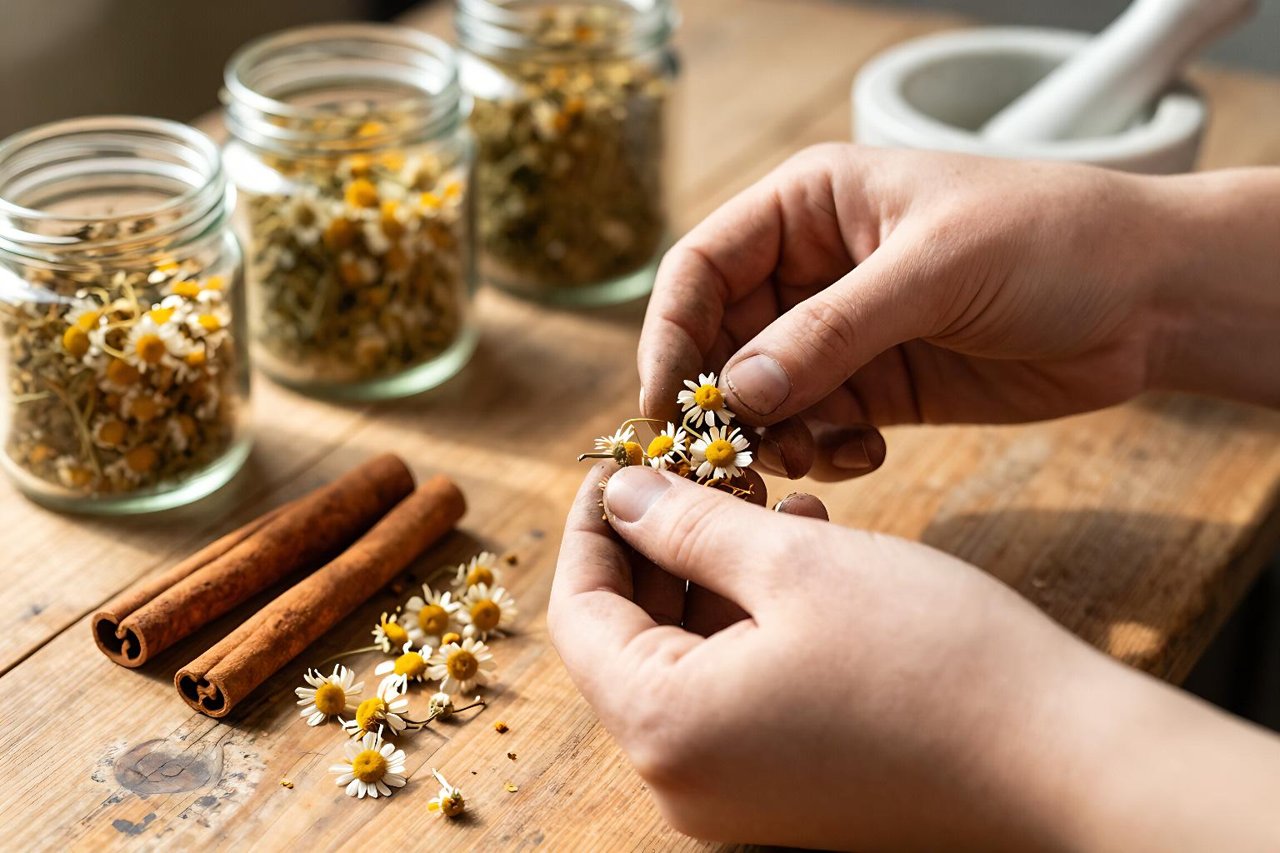
My grandmother kept her remedies in the same cupboard as her tea. Dried chamomile, a twist of cinnamon bark, a jar of honey that had crystallised sometime in the 1990s. Nothing had a dose printed on it. She just knew which one to reach for when someone had a cough, a sour stomach, or a night of bad sleep.
That household knowledge is what most people actually mean by traditional herbs and botanical ingredients. It isn’t a marketing category invented last year. It’s an inherited set of habits, tested over centuries by every culture that had access to plants, and it now shares shelf space with the multivitamins.
The problem is that the modern version of this tradition arrives with almost none of the context. So here’s a working guide.
What “Traditional” Really Means on a Label
The word gets used loosely. In practice it usually points to one of a handful of systems: Ayurveda from the Indian subcontinent, Traditional Chinese Medicine, Western herbalism with its Greek and Roman roots, and Unani, which spread through the Middle East and South Asia. Each has its own logic for combining plants, and each has a written record going back centuries.

That history is worth something, but it isn’t proof of efficacy in the way a clinical trial is. It’s more accurate to call it a strong set of leads. Plenty of modern drugs started exactly there: aspirin grew out of willow bark, digoxin came from foxglove, quinine from cinchona bark, morphine from the opium poppy. Plants are chemically busy, and humans noticed which ones did what long before anyone could name the molecule responsible.
Tradition tells you where to look, not what to conclude
A herb being used for 2,000 years tells you it probably isn’t acutely dangerous at normal doses. It doesn’t tell you whether it beats a placebo for your specific problem, or how it interacts with the blood thinner you take. Hold both ideas at once and you’ll make better decisions than people who trust only one.
The Botanicals You’ll Meet Again and Again
If you look across traditions, a small group of plants shows up repeatedly. That overlap is meaningful. Different cultures, working independently, kept coming back to the same handful of species.
- Ginger for nausea and digestion. The dried root is stronger than fresh for this purpose, and 1 to 2 grams is a common starting point. It also thins the blood slightly, which matters before surgery.
- Turmeric for inflammation. The catch is absorption: curcumin is poorly taken up on its own, and it needs fat plus a pinch of black pepper to move the needle.
- Chamomile for sleep and an unsettled gut. Gentler than most people expect, which is why a single teabag often disappoints.
- Peppermint for bloating and tension headaches. Enteric-coated capsules make sense for IBS because the oil then bypasses the stomach.
- Garlic, aged or raw, for cardiovascular markers. The smell is the active chemistry doing its job.
- Ashwagandha for stress and sleep quality. The most studied extracts use the root, not the leaf, and that distinction shows up in the price.
Notice how much of that is caveats rather than claims. That’s the honest version of the field.
How to Read a Botanical Label Without Getting Fooled
Two bottles can carry the same plant name and contain wildly different things. The part of the plant used, the extraction method, and the ratio all change the outcome. A root extract and a leaf powder are not interchangeable, even when the front of the box looks identical.
Watch for a few specific things. “Proprietary blend” hides individual doses, so you can’t tell whether there’s 50mg of the active herb or 500mg. “Standardised to 10%” is useful only if it names the marker compound. And a certificate of analysis from a third-party lab is worth more than any badge on the front. There’s a fuller checklist in this guide to evaluating natural wellness products carefully that’s worth reading before your next purchase.
Also check the serving size against the price. Supplements love to list a beautiful dose per capsule and then quietly advise four capsules a day.
Form Matters More Than People Expect
A cup of tea delivers water-soluble compounds and aromatics. A tincture delivers both water- and alcohol-soluble ones in a concentrated drop. A powder gives you the whole plant, fibre included, which is closer to how it’s eaten as food.
Matching the form to the herb is half the skill:
- Leafy, aromatic herbs like peppermint and chamomile work well as tea, but cover the cup while it steeps so the volatile oils don’t escape with the steam.
- Resinous roots like turmeric and ginger do better in a fat-based preparation or a tincture.
- Bark and hard roots need a long, gentle simmer rather than a quick steep.
Water temperature is the most common mistake at home. Pouring a rolling boil straight onto delicate flowers scalds them. Let the kettle sit for a minute first.
Kitchen Projects Worth Starting With
The barrier to entry here is lower than most people assume. A workable herbal throat spray, for example, takes sage, thyme, honey, and a little patience, and costs less than a coffee. This DIY herbal throat spray recipe walks through it step by step, including why the sage has to steep covered.
Start with two or three preparations you’ll genuinely use. A sleepy-time infusion, a digestive tincture, a jar of infused honey. A cupboard full of half-used bottles is worse than a shelf with three things you understand.
Botanical Ingredients on Your Plate Count Too
It’s easy to forget that many of these plants are food first. Garlic, turmeric, green tea, ginger, and berries all appear in the same research literature that supplement companies quote, and the food version comes with fibre, water, and a dose you can’t easily overdose on.
Eating a wide spread of plant foods does more for most people than stacking capsules. If you want a starting point, this list of cancer fighting foods covers several botanicals that overlap with traditional medicine and modern nutrition research at the same time.
Where Traditional Herbs Show Up in Skincare
Botanical ingredients have quietly taken over the beauty aisle, and most of them come from exactly this tradition. Green tea for oil control, centella asiatica (cica) for redness, licorice root for uneven tone, tea tree for breakouts. K-beauty formulators were early adopters, which is why you’ll find these actives in everything from essences to cleansers.
If your skin is on the oily side, the botanical actives worth looking for are the ones with astringent or anti-inflammatory action, and the best Korean skin care for oily skin roundup is a good illustration of how those are formulated in practice. Same plants, different delivery system.
Mistakes That Trip People Up
Most of the trouble with botanical ingredients comes from four predictable places.
- Interactions. St John’s Wort reduces the effectiveness of several antidepressants and contraceptives. Ginkgo, garlic, and ginger all affect clotting. Tell your doctor everything you take, including the tea.
- Dose creep. More is not better. If 300mg does nothing, 900mg usually just adds side effects.
- Assuming “natural” means “mild.” Comfrey, kava, and ephedra all earned their reputations the hard way.
- Pregnancy and breastfeeding. The list of herbs with a genuinely clean safety record here is short. Ask before guessing.
Building a Small Apothecary That Actually Gets Used
A sensible starting shelf holds about five things: dried chamomile, fresh ginger, raw honey, a good peppermint tea, and one adaptogen you’ve researched properly. Buy small quantities. Dried herbs lose potency within a year, so write the purchase date on the jar with a marker and throw out anything that smells like hay instead of the plant.
Store them away from the stove, in sealed glass, out of direct light. Heat and humidity are what kill them, not time alone. And keep a short note in your phone listing what you take and how much, because that note is the single most useful thing you can hand a doctor or pharmacist when they ask.
Traditional herbs reward a slow, curious approach. Learn one plant properly, use it for a season, notice what it does. That’s how the knowledge survived in the first place, and it still works better than a shelf of unopened bottles.


