
Table of Contents
Search any famous name plus “celebrity before and after” and you’ll get a flood of images. A tabloid spread. A carousel on Instagram. A red carpet gallery from a decade apart. They all promise the same thing: proof of change. They deliver three different kinds of evidence.
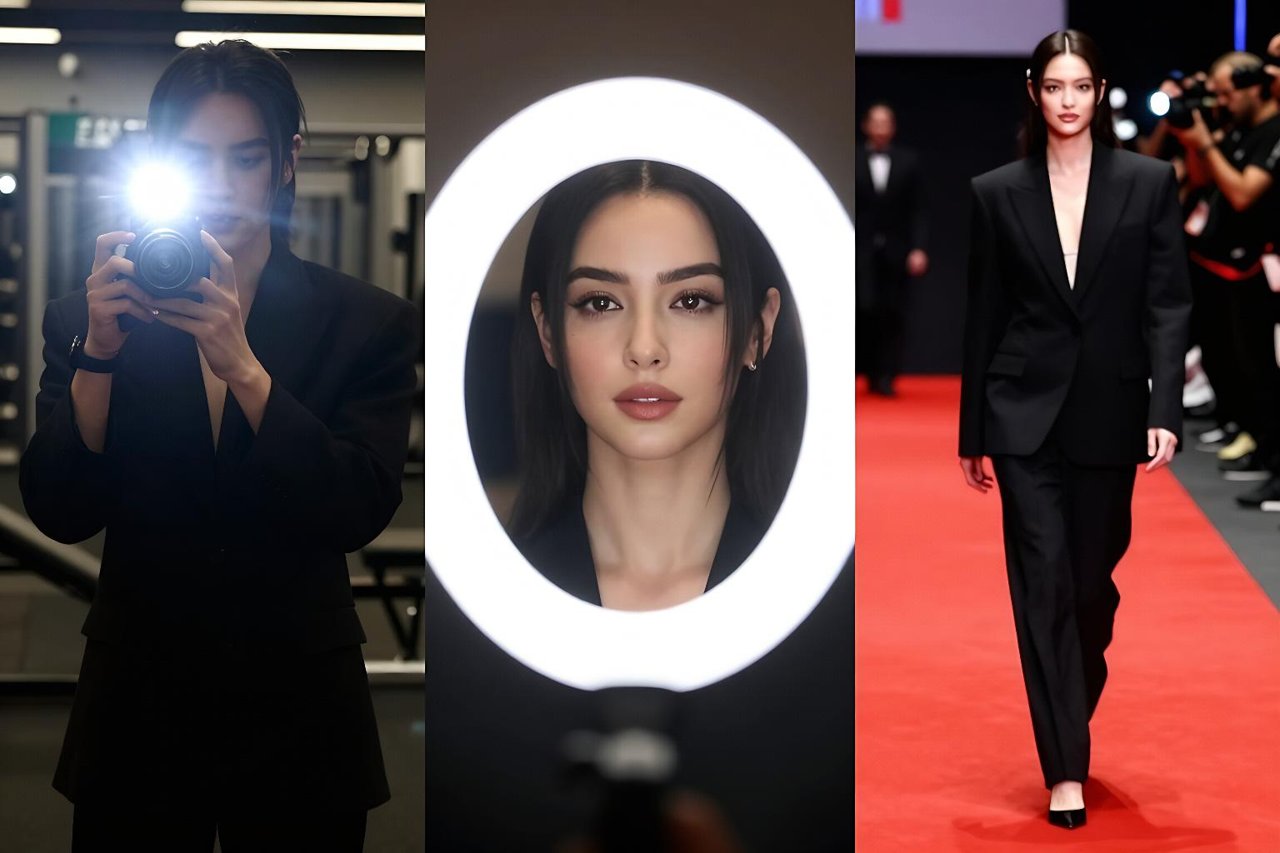
The source of the photos shapes what you see. A candid paparazzi shot outside a gym and a professionally lit Instagram post are not the same document. Comparing the three main options (paparazzi, Instagram, and red carpet) reveals clear trade-offs. Which one you trust depends on what you’re trying to learn. For the broader context, the truth behind celebrity transformations is a useful starting point.
Paparazzi Shots: Candid, Unforgiving, and Occasionally Useful
Paparazzi photos are the oldest form of celebrity before-and-after. They catch a star leaving a gym, walking a dog, or grabbing coffee. The lighting is whatever the sky provides. The angle is often unflattering. That rawness is both the appeal and the problem.
What paparazzi shots get right
- Real bodies in real light: no ring lights, no filters, no professional styling.
- Unposed movement: you see how someone actually carries themselves.
- Context: a before-and-after of the same errand run can show gradual change over months.
Where they fall apart
A bad angle can add ten pounds. A long lens compresses features. A gust of wind ruins a hairstyle. Paparazzi shots are not neutral evidence; they are snapshots taken without consent, often chosen for maximum contrast. A 2024 beach photo next to a 2014 premiere photo compares two different contexts, not two different bodies. The tabloid may also use a wider lens for the “after” shot and a tighter crop for the “before.” Those choices matter.

If the change involves weight, the method behind it matters too. GLP-1s, boot camps, and surgery each produce different timelines and different paparazzi moments. A rapid drop from medication looks different from a slow recomp from strength training.
The best use of a paparazzi before-and-after is to spot trends, not single changes. If a star looks different in ten candid shots over six months, that’s a pattern. If they look different in one, that’s a Tuesday.
Instagram Reveals: Controlled, Curated, and Often a Narrative
Celebrities increasingly publish their own before-and-after. A carousel of photos, a caption about a journey, a tagged brand. These posts are more deliberate than paparazzi shots. They are also more edited.
The upside of a self-published reveal
- Consent and context: the celebrity chooses the images and the story.
- Process details: sometimes they name the workout, the chef, the surgeon, or the medication.
- Access: you see the change in their own lighting and their own space.
The downside
Editing is the obvious one. A filter can smooth skin, a pose can flatten a stomach, a ring light can erase shadows. Less obvious: the “before” photo is often selected to be as unflattering as possible. A 2016 selfie with bad lighting becomes the baseline. The “after” is shot in golden hour with a professional camera. That’s not a lie, exactly, but it’s a constructed comparison. Sponsored posts add another layer. A weight loss company or a skincare brand may have final approval over the images.
The caption matters as much as the image. A post that says “I finally feel like myself” is telling a story about identity. A post that says “thanks to my amazing team” is advertising a service. Read the text.
For facial changes, the options range from injectables to surgical procedures, and each leaves different visual clues. Scalpel, syringe, or denial breaks down those trade-offs. A syringe can soften lines in a week; a facelift takes months to settle.
Red Carpet Photos: High Resolution, High Stakes
Red carpet photos are the gold standard for a clean comparison. Same event, same lighting, same dress code, same photographers. A premiere in 2010 and a premiere in 2024 give you two high-resolution images with consistent framing. That consistency is valuable.
What red carpet images reveal
- Facial structure: subtle changes in jawline, nose, or skin texture are easier to spot.
- Styling evolution: hair, makeup, and tailoring show how a public image is built.
- Body proportions: a full-length shot in a fitted outfit is more honest than a cropped selfie.
The catch
Red carpets are still a performance. Spanx, tailoring, professional makeup, and strategic posing all shape the result. A star can look radically different on a red carpet than in a paparazzi shot taken the same week. The outfit itself is often a collaboration with a stylist and a brand. If you want to understand where those looks come from, red carpet vs street style vs Instagram is eye-opening.
One underrated trick: compare the same event across years. The Met Gala, the Oscars, a film festival. The lighting and photography style stay remarkably consistent, which makes small changes easier to judge.
The Trade-Offs Side by Side
None of these sources is neutral. Each one optimizes for something different: candor, storytelling, or glamour. The mistake is treating any single before-and-after as a complete truth.
- Paparazzi: high honesty, low control, poor conditions. Best for seeing real-life fluctuations. Worst for judging subtle facial work.
- Instagram: high control, high polish, medium honesty. Best for understanding the celebrity’s own narrative. Worst for trusting the “before” image.
- Red carpet: high resolution, high styling, medium honesty. Best for structural changes over years. Worst for casual, everyday reality.
How to Mix the Three Without Getting Fooled
The most reliable approach is triangulation. Use all three sources and look for changes that show up across all of them. A jawline that looks different in a paparazzi shot, a red carpet photo, and an Instagram video is more likely to be real than a change that appears in only one curated post.
A structured method helps. The six-step guide to reading celebrity before-and-after photos walks you through lighting, angles, dates, and editing clues. Here are four habits worth borrowing:
- Check the dates. A five-year gap explains more than a five-week gap.
- Match the context. Compare gym shots to gym shots, red carpets to red carpets.
- Look for video. Stills can lie; moving images are harder to fake.
- Ask what’s being sold. A post promoting a weight loss drug or a skincare line has a commercial incentive.
The Version That Deserves Your Attention
If you only have time for one source, choose the red carpet for structural changes and the paparazzi shot for everyday reality. Instagram is best treated as a press release, not a documentary. The most honest celebrity before-and-after is usually the boring one: a series of red carpet photos taken years apart, same event, same lighting, no dramatic caption. The dramatic side-by-side is designed to shock. The slow, consistent change is the one that tells you what actually happened.
So the next time a before-and-after stops your scroll, check the source before you check the transformation. The source tells you more than the photo ever will.


