
Table of Contents
A trench coat appears on your feed at 7am. By lunchtime you know the brand, the price, and the fact that it sold out in the UK before you finished your coffee. That sequence feels effortless, but the information didn’t arrive by accident. Celebrity outfits travel through a small number of channels, and each one has its own habits, its own blind spots and its own agenda.
Here’s an honest comparison of the four places those looks actually come from: red carpet coverage, street style and paparazzi, the celebrity’s own Instagram, and fan accounts working alongside resale trackers. None of them is the “right” one. They’re good at different things, and knowing which one you’re looking at saves a lot of wasted scrolling.
Red carpet coverage: best detail, least reality
Wire photographers shoot hundreds of frames on a 40-metre carpet, and the images land with agencies within minutes, so galleries are online before the after-party starts. That resolution matters. You can zoom into a seam, a hem, the exact way a shoe strap sits against an ankle. Nobody is hiding anything from the lens.
Credits are usually solid too. Designers want the mention, stylists want the credit, and brands frequently confirm a custom piece the next morning. When a stylist of Law Roach’s calibre dresses a client for a premiere, the collaboration is public knowledge within hours.

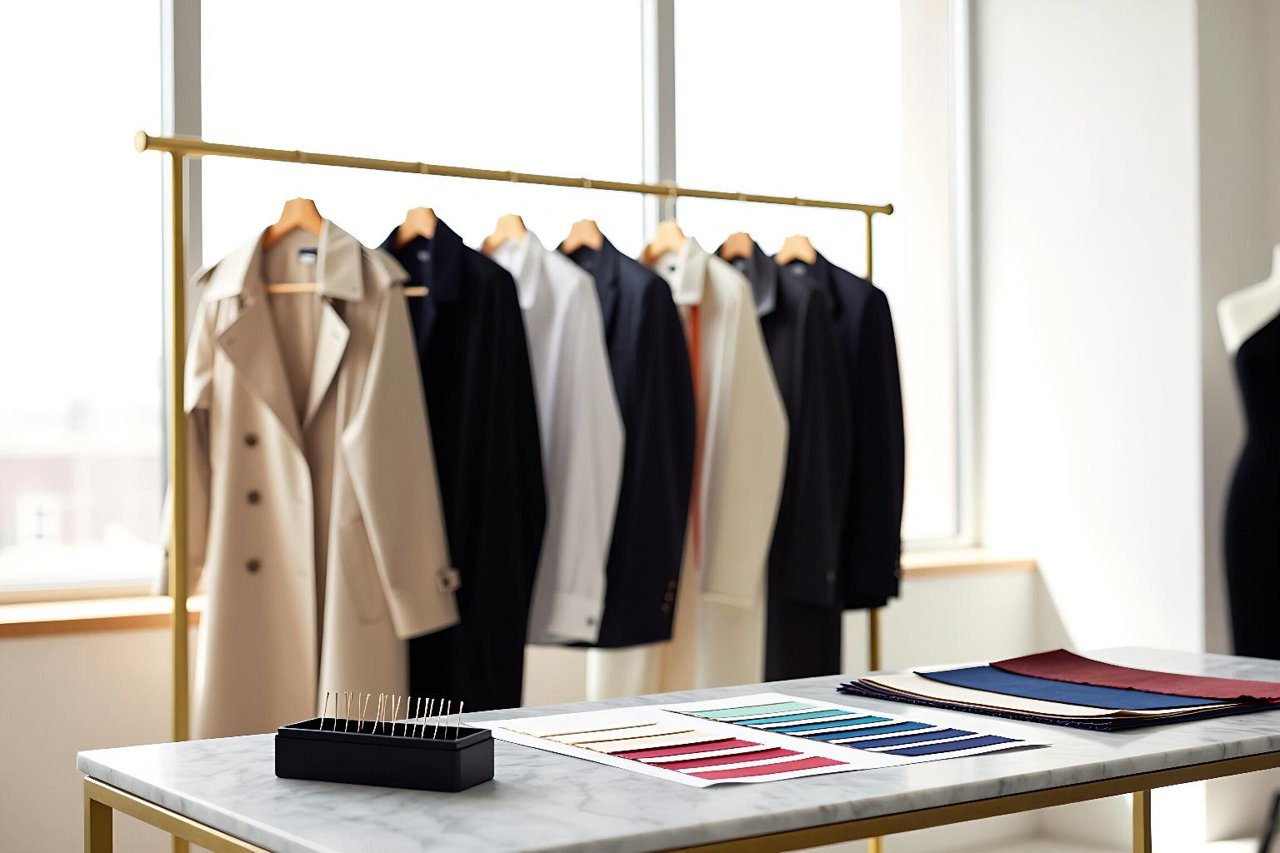
The trade-off is that almost none of it is real life. Dresses are loans, often the only sample in existence. Jewellery returns to the vault the same night. The fit you’re admiring was cut and pinned in a fitting room three days earlier by someone with a pin box and no patience for a wrinkle.
What red carpet coverage is genuinely good for
Learning. Proportion, colour temperature under flash, how a heavy fabric falls versus a light one, why a mid-calf hem changes an entire silhouette. If you want to decode a celebrity outfit and rebuild it on a normal budget, this is the reference library. Study the original before you hunt for the substitute.
It’s also where the outfits that outlive the news cycle tend to appear. The frocks people still argue about a decade later, and the money behind them, are catalogued in these standout celebrity outfits and the moments they belonged to.
Street style and paparazzi: the honest middle
Candid shots catch clothes in motion: wrinkled, repeated, worn with the same bag for six weeks straight. That repetition is the useful signal. A coat photographed on three separate coffee runs is part of a wardrobe. A coat photographed once, from six angles, by the same photographer, on a Tuesday morning when the brand happens to have a launch, is a campaign.
The downsides are practical. Lighting is terrible, the crops are tight, and the identification is often guesswork until someone spots a logo or a distinctive buckle. Plenty of “candid” airport looks are arranged days in advance, which is why the outfit is so coordinated and the coffee cup so prominent.
A quick reality test
- Search the suspected item on the brand’s own site to see whether it was ever sold commercially.
- Check whether the person wears the piece again within a month. One appearance means styling; several means ownership.
- Compare two photographers’ frames of the same moment. If the angles are suspiciously perfect, treat the image as promotional.
The celebrity’s own Instagram: fastest confirmation, most filters
When a look lands on the person’s grid, the tag is usually the answer. Brand, sometimes the exact product page, occasionally the stylist. It is the quickest way to move from “I think that’s a Bottega” to a confirmed credit.
The catch is that the grid is a business. Paid posts, contracts and launch schedules shape what gets shared and when. Understanding what a flawless celebrity Instagram feed actually costs to produce changes how you read a single photo. It also helps to know how to read a celebrity feed properly, tag by tag and post by post, rather than taking the caption at face value.
One more thing worth remembering: absence proves nothing. Most outfits a famous person wears never make it to their grid at all, because nobody paid for the post and nobody had a launch to promote.
Fan accounts, TikTok and resale trackers: chaotic, quick, surprisingly useful
Within minutes of a photo going live, someone with an encyclopaedic memory and a fast reverse image search has named the designer, the season and the price. Sometimes they’re right. The error rate is the price you pay for the speed, and wrong credits spread considerably faster than corrections do. Treat a fan account as a strong lead, not a verdict.
Resale trackers fill in what the other sources leave out: whether a piece actually circulates, what it costs secondhand, whether last season’s near-identical version is better value. That market is where the practical decisions get made, and where the trade-offs between replica, dupe, rental and restyling stop being theoretical.
The trade-offs, side by side
- Red carpet: highest accuracy, best image quality, lowest real-world relevance. Event-driven and slow.
- Street style and paparazzi: best sense of how clothes are actually worn, weakest credit accuracy, heavily seeded.
- Celebrity Instagram: fastest confirmation from the source, most commercially filtered, incomplete by design.
- Fan accounts and TikTok: fastest identification anywhere, highest error rate, zero accountability.
- Resale trackers: the only honest price signal, but useless for discovery.
Match the source to the job you’re doing
If you’re simply enjoying the spectacle, red carpet galleries give you the best pictures and the least nonsense. High resolution, clean backgrounds, no sponsored captions to wade through.
If you want to buy something similar, work in sequence rather than in circles. Start with a fan account for a lead, verify it against the celebrity’s own post or a designer confirmation, then price it on resale before you commit. Three sources, ten minutes, and you avoid buying a dupe of a dupe.
If you’re trying to understand someone’s personal style, street style is the only source with enough repetition to be useful. Sort by frequency, not by whichever photo got the most likes. The pieces that keep reappearing are the ones that tell you something true.
The most useful habit in all of this is a single question, asked every time a photo stops your scroll: what kind of image am I looking at? A loaned sample under flash, an arranged candid, a sponsored post, or a fan’s best guess. Each one tells you something real. None of them tells you everything, and the people who dress well on a normal budget are usually the ones who learned the difference.


