
Table of Contents
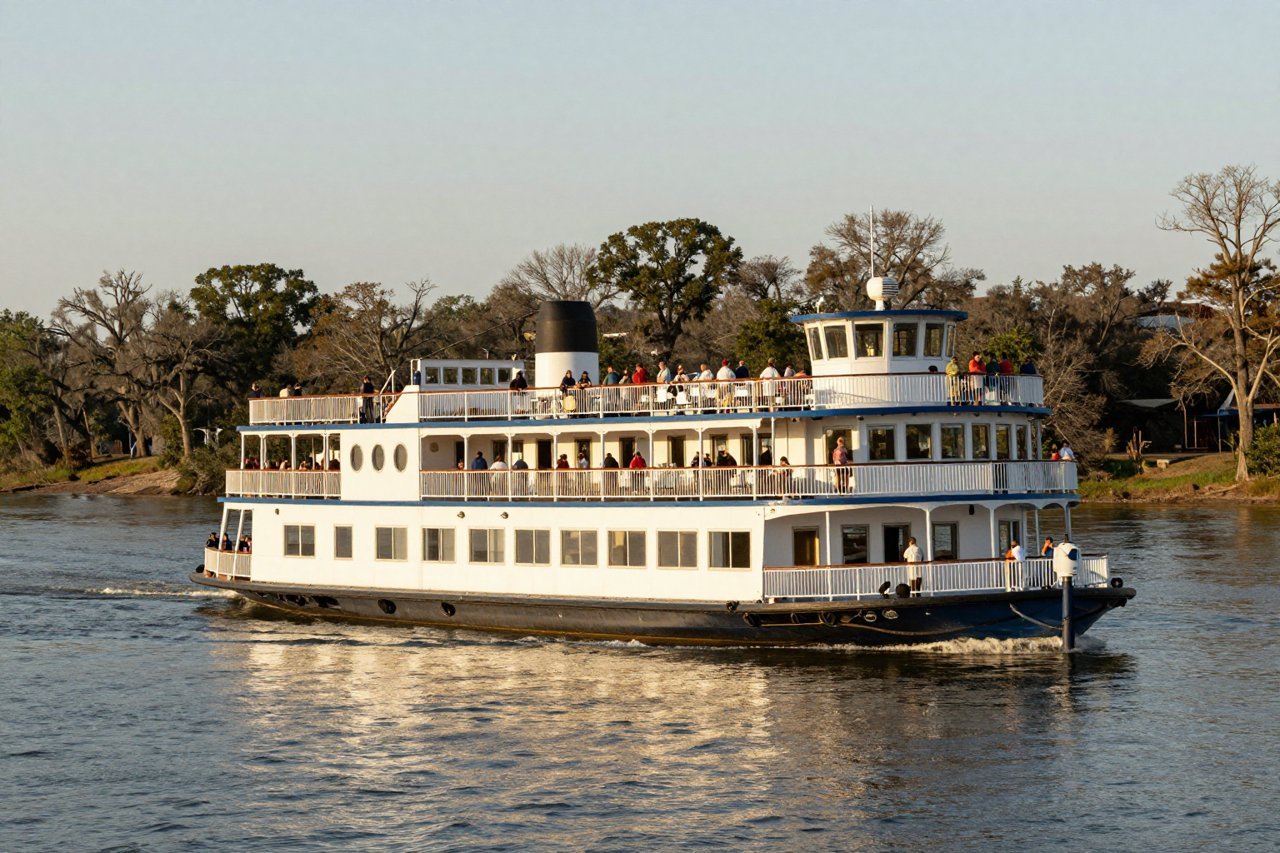
There’s a moment on every American river cruise when you forget you’re on a vacation and start feeling like you’re part of a story. The paddlewheel churns below, a small town appears around the bend, and someone on the sun deck calls out, “Look, there it is.” That’s the pull of these trips. They’re not about rushing from one attraction to the next. They’re about letting one of the world’s biggest countries unfold at the pace of the water.
If you’ve only ever considered European river cruises, it’s time to look closer to home. American river cruises have quietly become one of the most distinctive travel experiences around. They combine the comfort of a floating hotel with the kind of riverboat cruises that have been a beloved part of American history for generations. But what does a week or two on the Mississippi or the Columbia actually feel like? Let’s get into it.
The Rivers That Made America
Every river cruise route follows the threads that once stitched the country together. You’ll pass cotton fields, old trading posts, and cities that look exactly like their 19th-century photographs, just with better signage.
The Mighty Mississippi: A Legend You Can Sail
The Mississippi remains the gold standard for American river cruising. Carrying nearly 900,000 passengers a year across its various stretches, the lower Mississippi between New Orleans and Memphis is the busiest section. You get a taste of Cajun country, the haunting beauty of plantation grounds, and the music-soaked streets of Beale Street. The river itself moves slower than you might expect, which means you can sit on the bow for hours watching the scenery shift from swamp to bluffs.

The Columbia and Snake Rivers: The Pacific Northwest’s Best-Kept Secret
If the Mississippi feels like history, the Columbia River feels like landscape on a grand scale. This route cuts through the Cascade Range and the arid steppe of eastern Oregon and Washington. You’ll cruise through the Columbia River Gorge, with waterfalls feeding directly into the river, and stop at small towns like Astoria and Clarkston. It’s a cruise for people who prefer jagged cliffs to antebellum columns, and it’s a reminder that American river cruises aren’t one-size-fits-all.
Some operators also offer sailings on the Hudson, the Ohio, and even the Great Lakes, though those are more occasional. For most travellers, the Mississippi or the Columbia will be your first taste of the genre.
Life Onboard: What Makes a River Cruise Unique
You won’t find water parks, rock-climbing walls, or five different dinner venues on most American riverboats. What you will find is space, natural light, and a crew that learns your name by day two.
- Small passenger counts: Most ships carry between 90 and 200 guests, so there’s no queueing for breakfast or competing for a deck chair.
- Panoramic viewing areas: The top decks are open even while skippering, and many cabins have floor-to-ceiling windows instead of balconies because the view changes constantly.
- Regional cooking: Aboard, you’ll likely get a taste of the places you’re passing. That means Gulf shrimp gumbo south of Memphis, or local salmon prepared over open flame in the Pacific Northwest.
- Included shore excursions: At least one tour is usually bundled into your fare for each stop. That’s a welcome change from ocean cruises where every trip ashore costs extra.
Sailing on a river is inherently calmer than sailing on the sea. There are no waves to speak of, and the ship barely pitches. Many first-time river cruisers say it’s one of the few holidays where they actually sleep through the night and wake up without the sense of having been spun around.
Shore Stops That Feel Like Stepping Back in Time
The real highlight of any river cruise is the city or small town waiting at the end of the gangplank. On a one-week Mississippi sailing, you might dock at Natchez, where the antebellum mansions sit on a hill overlooking the river. You can spend an afternoon browsing the local shops or just wandering down to the waterfront and watching barges push their way against the current.
The Pacific Northwest route offers a different kind of nostalgia. The town of Astoria, where the Columbia meets the Pacific Ocean, is a working fishing port with an enormous maritime museum. There’s something unmistakeably authentic about a place that has been doing the same thing for 150 years, and on a cruise you get just enough time there to feel it without rushing.
Sometimes, the experience is as simple as standing on the foredeck at dusk and watching a paddle wheel churn the water into what locals call “the champagne glass effect” – a swirl of white bubbles that sprays a fine mist. Those unexpected moments become the strong memories that remind you of the feeling we forgot while planning and scheduling and worrying about the next thing.
How an American River Cruise Compares to a Week at a Resort
We get it. Lying by a beach with no plans for a week is a tempting holiday. There are plenty of all-inclusive resorts for couples that do exactly that beautifully. But a river cruise is a fundamentally different type of holiday. You trade the same poolside view for a panorama that changes every few hours. You trade the buffet bingeing for a focused menu that reflects the region you’re passing through. Most importantly, you come home with a sense of having moved through the country, rather than having simply paused in it.
A river cruise does require a bit more mental engagement. You need to read up on the history, pay attention to the schedule, and be ready to step ashore early in the morning when the tide is right. That’s precisely what draws many people back for a second sailing.
Who Will Enjoy This Trip Most?
If this is your first time considering American river cruises, you might be wondering if it’s for you. Here’s a quick breakdown:
Couples and Solo Travelers
You won’t find a more romantic way to see the country than a sunset stroll on the open deck. For solo travellers, most ships have a main lounge with communal tables, so it’s easy to strike up a conversation without feeling awkward. With only around 100 guests, the atmosphere becomes less like a cruise and more like a house party with a strange compass obsession.
Multi-Generational Families
Because the pace is gentle and accessible, river cruises work well for families with older kids or grandparents. The unobtrusive enrichment talks and the constant scenery appeal to a wide range of ages. Just don’t expect a kids club for toddlers; this is a quiet, adults-leaning activity.
First-Time Cruise Travelers
If the idea of a 4,000-passenger ocean liner puts you off, this is your sweet spot. Small ship, no sea sickness, no formal nights unless you want them, and a crew that has time to chat. It’s the easiest way to try cruising.
Practical Tips for Booking Your First American River Cruise
Ready to map out your own journey? A few practical things will make the difference between a good trip and a great one.
- Pick a route based on your interests. The Mississippi is for music, food, and history. The Columbia and Snake Rivers are for outdoor enthusiasts and photographers. The Hudson is for leaf-peeping in the fall.
- Book spring or fall. Summer in the South can be sticky, and the Pacific Northwest mosquitos are no joke. The shoulder seasons – March to May and September to early November – offer the most comfortable weather.
- Decide how much you care about the cabin. On many ships, the cheapest standard cabins still have large windows. If you’re not fussed about your own balcony, you can save a lot of money.
- Add a day or two at the beginning or end. New Orleans, Memphis, Portland – all are cities worth exploring more than a single docked day. If you’re combining your cruise with a broader American trip, a classic add-on is a few days at Niagara Falls, Canada, where the natural wonder is worth its own dedicated trip.
It’s easy to see why American river cruises are gaining a reputation as one of the most restorative ways to see the country. The constant change of scenery, the unhurried pace, and the genuine connection to small-town America are things you just can’t replicate on a larger vessel or from a rental car.
The first morning you wake up to a new state outside your window, you’ll get it. It’s the light, expectant sensation of not knowing exactly what the day will hold. That’s the reason river cruising on American waters keeps growing year after year. It’s the kind of travel that slows you down, opens your eyes, and leaves you grateful for a country that can still feel so vast and surprising.


