
Table of Contents
When you’re trying to lose weight, protein is your best friend. It keeps you full, revs up your metabolism, and helps preserve muscle while you drop fat. But not all protein sources are created equal. Some are packed with extra calories, unhealthy fats, or fillers that sabotage your efforts. So what are the best protein foods for weight loss? Let’s break it down with science-backed choices you can actually enjoy.
Why Protein Helps You Lose Weight
Protein does more than just build muscle. It directly impacts your appetite and calorie burn. Studies show that a high-protein diet can boost metabolism by 80–100 calories per day through the thermic effect of food—your body uses more energy to digest protein than carbs or fat. Protein also reduces levels of the hunger hormone ghrelin and increases satiety hormones like GLP-1 and PYY. That means you feel fuller longer and naturally eat less without feeling deprived. For a deeper look at the science, check out The 15 Best High Protein Foods for Weight Loss (Backed by Science).
Lean Meats and Poultry
Chicken Breast
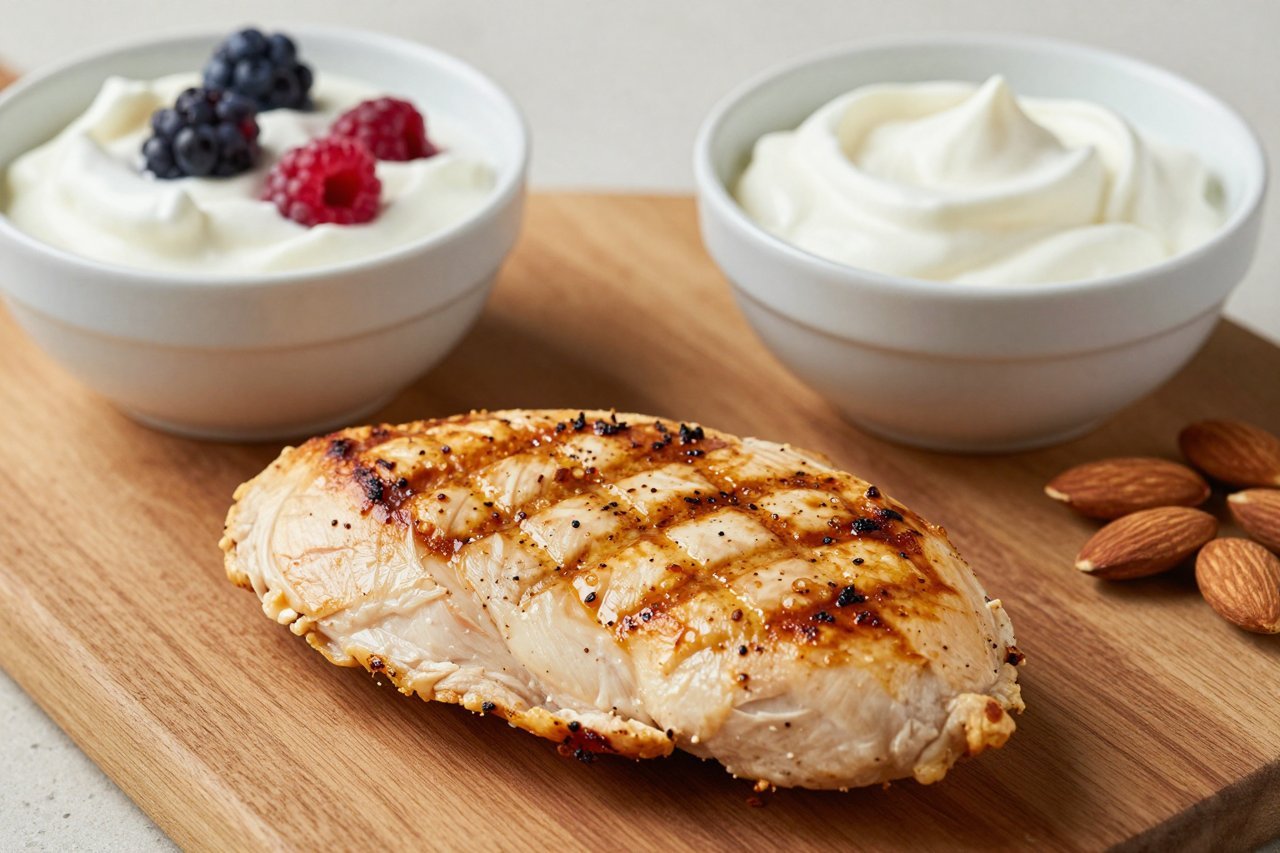
A 3-ounce serving of skinless chicken breast packs about 26 grams of protein and only 128 calories. It’s incredibly versatile—grill it, bake it, or toss it into salads. To keep it lean, avoid heavy sauces or frying.
Turkey Breast
Ground turkey (93% lean or higher) delivers similar protein to chicken with a slightly richer flavor. Use it in chili, lettuce wraps, or stir-fries. One serving provides 22 grams of protein for around 150 calories.

Lean Beef
Red meat gets a bad rap, but lean cuts like sirloin, tenderloin, or 95% lean ground beef are excellent protein sources. A 3-ounce serving of sirloin has 25 grams of protein and about 170 calories. Plus, beef is rich in iron and zinc—both important for energy and immune function. For more on zinc’s role, see Zinc Supplement: Benefits, Dosage, and What You Need to Know.
Fish and Seafood
Salmon
Salmon is a fatty fish, but don’t let that scare you. The omega-3s reduce inflammation and support metabolism. A 4-ounce fillet has 25 grams of protein and only 230 calories. Wild-caught is ideal, but canned salmon works too—just look for options packed in water.
Tuna
Canned light tuna is a budget-friendly protein powerhouse. A 3-ounce serving provides 20 grams of protein for just 90 calories. Mix it with Greek yogurt instead of mayo for a lighter twist.
Shrimp
Shrimp is surprisingly low in calories—3 ounces give you 18 grams of protein and only 84 calories. They’re quick to cook and pair well with veggies or whole grains.
Eggs and Dairy
Eggs
One large egg has 6 grams of protein and only 72 calories. The yolk contains most of the nutrients, including choline, which supports metabolism. Eating eggs for breakfast can help you consume fewer calories later in the day. A study found that people who ate eggs for breakfast felt fuller and ate 400 fewer calories over the next 24 hours.
Greek Yogurt
Plain, nonfat Greek yogurt is a superstar. A 6-ounce container packs 15–20 grams of protein and only 100 calories. It’s thick, creamy, and loaded with probiotics. Skip the flavored versions—they’re often full of sugar. Add fresh berries for sweetness instead. For more low-calorie options, see 22 Low Calorie Foods for Weight Loss That Actually Fill You Up.
Cottage Cheese
A half-cup of low-fat cottage cheese gives you 14 grams of protein and 80 calories. It’s rich in casein protein, which digests slowly, making it a great pre-bedtime snack. Pair it with fruit or cucumber slices.
Plant-Based Protein Sources
Lentils
Lentils are a fiber and protein double threat. One cup cooked has 18 grams of protein and 15 grams of fiber—keeping you full for hours. They’re cheap, easy to cook, and perfect for soups or salads.
Chickpeas
Also known as garbanzo beans, chickpeas deliver 15 grams of protein per cup. Roast them for a crunchy snack or blend into hummus. They’re a staple in Mediterranean diets, which are linked to healthy weight management.
Edamame
Young soybeans are a complete protein, meaning they contain all essential amino acids. A cup of edamame has 18 grams of protein and 188 calories. Steam them and sprinkle with sea salt for a satisfying snack.
Tofu and Tempeh
Tofu has about 10 grams of protein per half-cup, while tempeh packs 16 grams. Both are versatile—marinate and grill, scramble like eggs, or add to stir-fries. Tempeh has a nuttier flavor and firmer texture.
Protein Powders and Supplements
Whole foods should be your priority, but protein powders can help you meet your goals, especially post-workout. Whey protein is quickly absorbed and has a complete amino acid profile. Plant-based blends (pea, rice, hemp) are great for vegans. Look for powders with minimal ingredients—no artificial sweeteners or fillers. A scoop typically provides 20–30 grams of protein for around 100–150 calories.
How to Incorporate These Foods into Your Day
Start with a protein-rich breakfast: scrambled eggs with spinach, Greek yogurt with berries, or a smoothie with protein powder. For lunch and dinner, aim for a palm-sized portion of lean meat, fish, or tofu, plus plenty of vegetables. Snack on cottage cheese, edamame, or a hard-boiled egg. If you’re looking for meal ideas, check out 10 Best Healthy Meals for Weight Loss for inspiration.
Common Mistakes to Avoid
- Relying too much on processed protein bars: Many are candy bars in disguise—check for added sugar and low fiber.
- Ignoring portion sizes: Even healthy protein has calories. Stick to 20–30 grams per meal.
- Choosing fatty cuts: Opt for skinless poultry and lean beef to avoid excess saturated fat.
- Skipping veggies: Protein and fiber work best together. Pair your protein with vegetables for maximum satiety.
For a broader list of filling foods, explore 10 Healthy Foods for Weight Loss That Actually Keep You Full. And don’t forget fruit—Best Fruits for Weight Loss: 11 Fruits That Burn Fat and Keep You Full can add variety and nutrients to your diet.
Practical Tips for Success
Batch cook proteins on Sundays—grill chicken, hard-boil eggs, and cook lentils. Keep canned tuna and edamame in your pantry for quick meals. Experiment with spices and herbs instead of heavy sauces. And drink plenty of water; protein digestion requires hydration. Remember, the best protein foods for weight loss are the ones you’ll actually eat consistently. Find what you enjoy, and build your meals around it.


