
Table of Contents
Have you ever watched your dog figure out a puzzle toy or your cat open a cabinet door? That little flicker of problem-solving is the same kind of intelligence that researchers study in famous “smart animal” lists. Instead of just reading about them, you can actually test those abilities yourself. In this guide, you’ll learn a simple, repeatable way to observe intelligence in any animal, using the top 7 smartest animals as your benchmarks.
Before you start, it helps to know what the experts have already found. For a quick reminder of which creatures made the cut, check out this summary of the top 7 smartest animals and the astonishing things they can do. You’ll want those examples fresh in your mind because we’ll be referencing their standout skills throughout the tests.
Step 1: Isolate One Type of Intelligence at a Time
Animal intelligence can’t be measured with a single IQ test. If you try to test everything at once, you’ll end up with confusing results. Instead, pick a specific skill: problem-solving, memory, social learning, tool use, or self-awareness. This method works for dogs, cats, parrots, even chickens. You can also apply the same logic when observing wild crows or squirrels from your window.
For the most accurate results, control the variables. Use the same time of day, the same treats, and a quiet room. If you’re testing multiple animals, do it separately so they don’t copy each other. And always keep sessions short, no longer than five minutes, so your subject stays interested.

What you’ll need
- A high-value reward (small pieces of cheese, cooked chicken, or sunflower seeds)
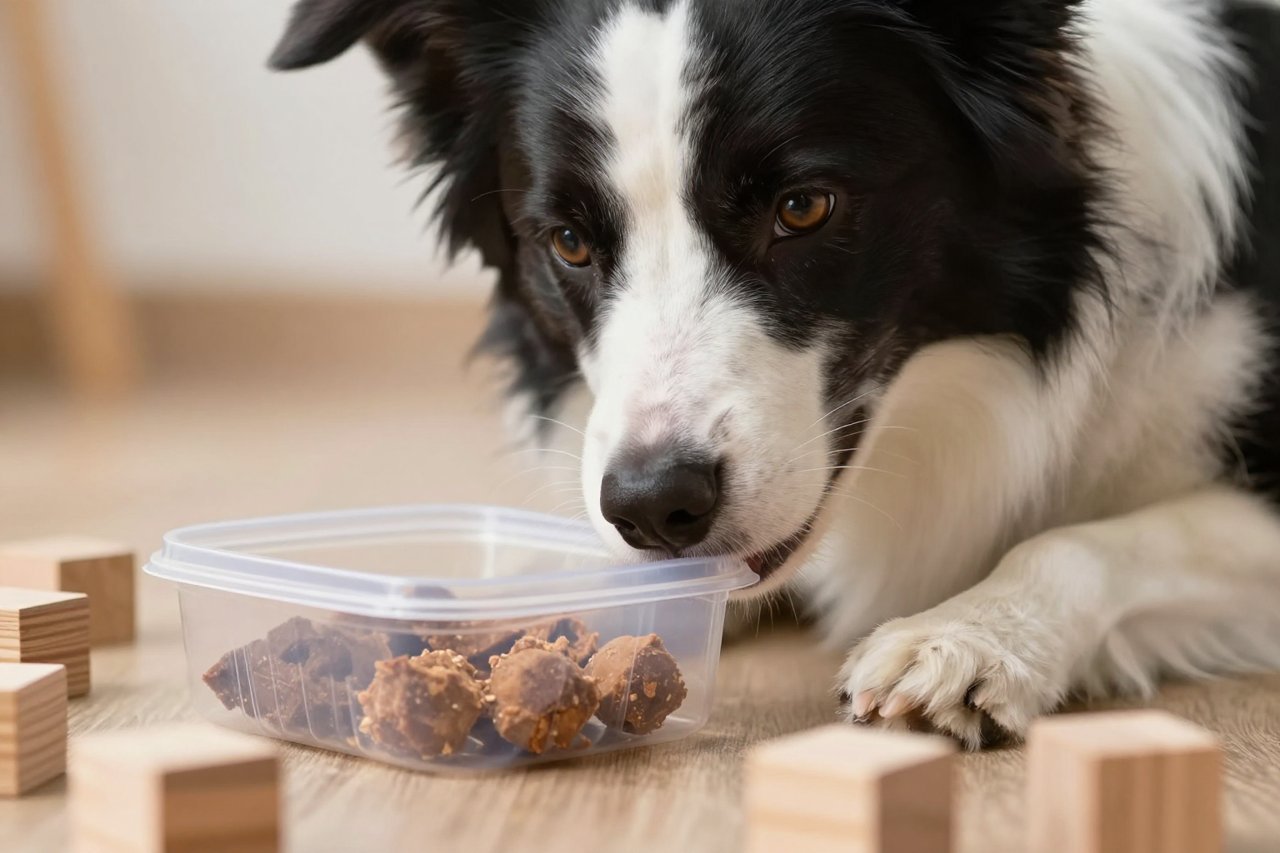
- A clear container with a lid (like a Tupperware or a jar)
- A stopwatch or phone timer
- A notebook to record what you see
Step 2: Test Problem-Solving with a Food Challenge
Start with the easiest and most obvious measure of smarts: getting to food. Choose a container your animal hasn’t seen before. Place a treat inside and watch what happens.
For a dog, put a treat under an overturned cup and slide it a few centimetres. A typical dog will sniff the cup, maybe nudge it with its nose, and then flip it over. A smarter dog might push the cup from the side, or even look at you for help. For a cat, a sealed plastic jar with holes poked in the lid works well. Crows and parrots might try to undo a latch or pull a string.
The key isn’t whether they get the treat. It’s how they solve it. Do they try multiple strategies? Do they stop and think before acting? These are the same behaviours that put dolphins and elephants at the top of many cognition studies. In fact, dolphins will often circle a problem before deciding on a single elegant solution. Watch for that pause.
Step 3: Measure Memory with a Delayed-Reward Game
Working memory is another core indicator of intelligence. A classic lab test asks the animal to remember where a reward is hidden after a delay. You can replicate it at home.
Show your animal three cups, hide a treat under one, then wait. Start with five seconds, then increase the delay. After 30 seconds, a golden retriever might still remember. A cat often forgets after ten seconds unless it’s highly food-motivated. Among the top 7 smartest animals, crows and ravens have been shown to remember hiding spots for months. Try a smaller variation: you can hide a reward under a piece of paper and see if your pet can track the movement.
What you’re looking for is whether the animal forms a mental map. If they go straight to the correct cup, regardless of movement, they’re using spatial memory. If they only find it by sniffing around, they’re using scent alone, which isn’t the same thing.
Step 4: Watch for Social Learning and Mimicry
Some animals learn by watching others. This is a huge sign of intelligence because it requires observation, memory, and imitation. Dogs are particularly good at this, which is why they can learn commands from watching another dog respond.
You can test this by showing your pet how to open a simple box or dispenser. For instance, pantomime pulling a lever or sliding a door, then step back. Does your pet attempt the same action to reveal a treat? Parrots and some apes are natural mimics, but even pigs can learn by watching a human. The top 7 smartest animals often include species that pass on knowledge through observation, like elephants teaching their calves which plants to avoid.
If you don’t have a pet, try it with garden birds. Place a bird feeder with an unusual latch. Once one chickadee figures it out, the speed with which others learn the trick is a perfect demonstration of social intelligence. For more on how this plays out in everyday pets, you can read this article about personality, care and health in the Petsworld series.
Step 5: Check for Tool Use and Object Manipulation
Tool use is rare in the animal kingdom, which is why it’s so impressive. A chimpanzee uses a stick to fish for termites. A sea otter uses a rock to crack shells. An octopus uses coconut shells as a portable shield. You may not have a primate in your house, but many pets can surprise you.
Offer a stick, a string, or a small rake to your pet while a treat is out of reach. Can they use the object to pull the treat closer? Some dogs will drag a towel to bring a food bowl closer. Crows, famously, bend wire into hooks. Provide a piece of bendable wire and see if a parrot or a crow tries to use it. It’s not about whether they succeed, but whether they grasp the relationship between the tool and the goal.
A good home experiment involves a toy with a string attached. Place the toy at the end of a table, leave the string dangling. If the animal pulls the string toward itself, it understands the connection. If it just stares at the toy, the concept is still a bridge too far.
Step 6: Test Self-Awareness with a Mirror
The mirror test is a classic. Place a coloured sticker on the animal’s forehead and show it a mirror. Humans, chimpanzees, dolphins, and some magpies will touch the sticker on their own faces, indicating they recognize themselves. Most dogs fail; they think it’s another dog. But they excel at other types of intelligence, like reading human emotions, which is exactly why they’ve been domesticated.
If you want to try this at home, use a non-toxic washable marker. Gently place a dot on your pet’s head while it’s sleeping or distracted. Then let it look in a mirror. Watch for:
- Touching the mark with a paw or beak
- Turning to examine itself closely
- Ignoring the mark (common in cats and dogs)
- Looking behind the mirror for another animal
Remember that failing the mirror test doesn’t mean an animal isn’t smart. It just means it doesn’t rely on vision for self-recognition in the same way. A dog’s sense of smell is its primary tool for identity.
Step 7: Compare Your Observations with the Official Rankings
After you’ve run a few tests, you’ll have a small data set. You can then compare your subject’s performance with the known abilities of the top 7 smartest animals. For a thorough scorecard, look at this list of the most intelligent animals in the world that will make you rethink animal smarts. It’ll give you a baseline for each species.
Let’s say your dog aced the delayed-reward test and the social learning test, but ignored the mirror. That places it right in line with dogs on the official lists. If your parrot learned to open a latch after just one demonstration, it’s performing like a member of the corvid family. Even a seemingly ordinary fish can show flashes of spatial memory if you test it correctly. The point isn’t to rank your pet globally; it’s to notice the specific abilities that make each animal brilliant in its own way.
The more you test, the better you get at sensing the subtle signs of intelligence. You might even catch your animal doing something unexpected. A few months of note-taking can reveal that your cat understands cause and effect better than you assumed, or that your dog is a patient planner rather than a quick reactor. That level of understanding is what makes the study of animal minds so rewarding.


