
Table of Contents
Why the Delivery Format of Collagen Supplements Matters More Than You Think
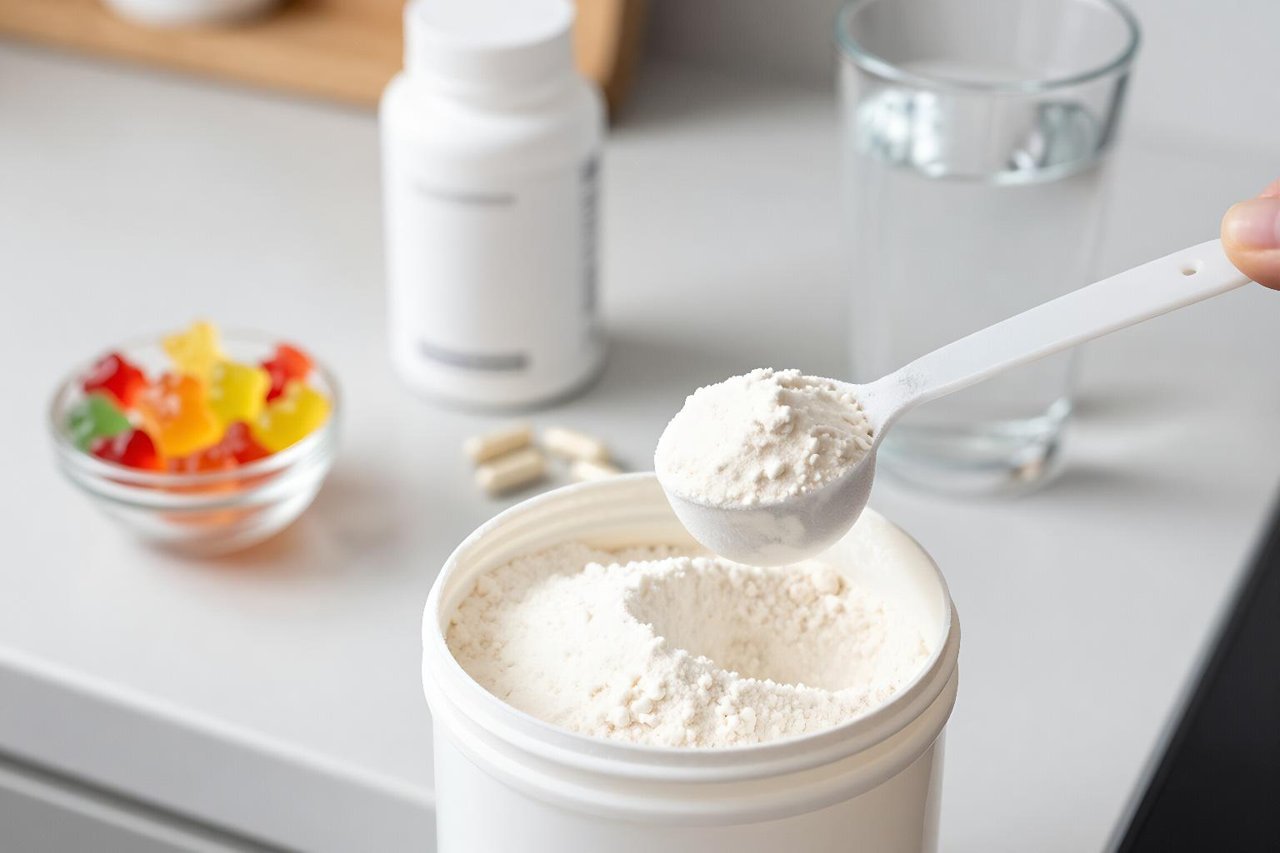
Walk into any health food store or scroll through Amazon, and you’ll see collagen supplements in every conceivable form: tubs of powder, bottles of capsules, tiny liquid shots, and even gummy bears. The marketing suggests they’re all interchangeable, but that’s far from true. The format you choose affects how much collagen you actually get, how much you pay per gram, and whether you’ll stick with it long enough to see results. This isn’t about which brand is best—it’s about which delivery method fits your life and your goals.
Collagen is a protein, and most supplements use hydrolyzed collagen peptides to improve absorption. But the science on collagen is still evolving, and the form can influence how well you tolerate it and how consistently you take it. A 2019 review in the Journal of Drugs in Dermatology found that oral collagen peptides can improve skin elasticity and hydration, but the studies used daily doses between 2.5 and 15 grams. If your supplement format makes it hard to hit that range, you’re probably wasting money. If you want a deeper dive into which claims actually hold up, this breakdown of what works and what doesn’t in collagen supplements is worth a read.
Collagen Powders: The Workhorse
Powder is the most straightforward way to get a meaningful dose. A typical scoop delivers 10 to 20 grams of collagen peptides, and you can mix it into coffee, smoothies, oatmeal, or soup. Unflavored versions are nearly tasteless, though some people detect a faint earthy or gelatinous note. The pros: cost per gram is usually the lowest of any format, you can easily adjust the dose, and you’re not swallowing a handful of pills. The cons: it’s not portable unless you pre-portion it, it can clump if you don’t stir well, and it requires a few extra seconds of effort. If you’re new to powder, these step-by-step tips for taking collagen the right way can help you avoid common mistakes like adding it to boiling water (which can degrade the protein).
Collagen Capsules and Tablets: Convenience in a Bottle
Capsules win on portability. You can toss a bottle in your bag and take them anywhere, no mixing or taste involved. The catch is dose. Most capsules contain 500 milligrams to 1 gram of collagen, which means you’d need 10 to 20 capsules to reach a 10-gram dose. That’s a lot of swallowing, and the cost per gram is often two to three times higher than powder. Tablets are similar, though they can be even larger and sometimes contain binders that upset sensitive stomachs. Capsules make sense if you travel frequently or absolutely cannot stand the taste of powder, but they’re a poor choice if you’re trying to hit therapeutic doses on a budget. To figure out exactly how many capsules you’d need for your target dose, this 6-step method for finding the best collagen supplement for you walks through the math with real numbers.

Liquid Collagen: Fast, Pricey, and Often Sugary
Liquid collagen often comes in pre-measured shots or small bottles, promising faster absorption because it’s already dissolved. In reality, your stomach acid denatures proteins anyway, so the speed difference is negligible. What you do get is convenience—no mixing, no pills. But you pay for it. A 10-gram dose of liquid collagen can cost $2 to $4 per serving, compared to $0.50 to $1 for powder. Many liquids also contain added sugar, artificial flavors, or preservatives to make them palatable. If you have trouble swallowing pills and hate the taste of powder, liquid is a valid option, but check the label for added junk and compare the cost per gram.
Collagen Gummies: Candy With a Health Halo
Gummies are the least effective format for one simple reason: they can’t hold much collagen. A typical gummy contains 500 milligrams of collagen or less, and you’d need to eat 20 of them to get 10 grams. That’s also 40 grams of sugar if they’re sweetened. Even “sugar-free” versions use sugar alcohols that can cause bloating. Gummies are fine as a treat, but if you’re serious about results, they’re a waste of money. Save them for when you want a placebo with a fruity flavor.
Source Matters: Bovine, Marine, and Eggshell Membrane
Beyond the format, the source of collagen changes the trade-offs. Bovine (cow) collagen is the most common and affordable, and it contains types I and III, which are studied for skin and joint health. Marine (fish) collagen is type I, and some research suggests it’s absorbed slightly better, but it often has a fishy taste and costs more. Eggshell membrane collagen includes types I, V, and X, and is marketed for joint pain, but it’s expensive and less researched. None of these sources are inherently “better” across the board—it depends on your goal. For a closer look at how source and formulation affect real-world results, this guide to the best collagen supplement and how to pick one breaks it down.
What About Food and Other Supplements?
You can get collagen from bone broth, chicken skin, fish, and eggs, but the amounts are small. A cup of bone broth might have 5 to 10 grams of collagen, but it’s not always well-absorbed, and you’d need to drink it daily. A more reliable approach is to support your body’s own collagen production with vitamin C, copper, zinc, and amino acids from protein-rich foods. Supplements like hyaluronic acid, astaxanthin, and biotin are often stacked with collagen, but they don’t replace it. If your main goal is energy, collagen isn’t the right tool—this comparison of energy supplements that actually work is a better starting point.
How to Match the Format to Your Priorities
Here’s a quick decision framework based on what matters most to you:
- Lowest cost per gram and highest dose: Powder. You can get 20 grams for under a dollar.
- Travel and convenience: Capsules. Just accept the higher cost and pill count.
- No taste, no mixing, no pills: Liquid. But watch the sugar and price.
- You want a treat: Gummies. Just don’t expect results.
- Joint-focused: Look for eggshell membrane or a bovine blend with type II collagen (often from chicken sternum).
- Skin-focused: Marine or bovine type I and III, 10 grams daily.
What I’d Tell a Friend Who Asked About Collagen Supplements
If you’re new to collagen, start with a plain unflavored powder from a reputable brand—bovine or marine, depending on your budget and taste preferences. Take 10 to 15 grams daily, mix it into something you already drink or eat, and set a reminder on your phone. Give it three months. If you hate the taste or the ritual, switch to capsules and accept the higher cost. If you travel often, keep a bottle of capsules in your carry-on. If you’re only in it for the gummy flavor, buy them as candy and don’t expect skin or joint benefits. The best collagen supplement is the one you’ll take every day, not the one with the flashiest label.


