
Table of Contents
Every other ad on your feed seems to be for collagen. And if you’ve ever stood in a supplement aisle staring at ten different jars, you know the confusion is real. I get asked about the best collagen supplement constantly, usually after someone has wasted money on a jar that tasted like chalk and did nothing. So here’s a plain-English guide to what actually works, how to choose, and what to ignore.
What Collagen Actually Does in Your Body
Collagen is the most abundant protein in your body. It’s the structural scaffolding for your skin, tendons, ligaments, and cartilage. But the collagen you eat isn’t directly the collagen you build. When you consume hydrolyzed collagen peptides, they’re broken down into amino acids and absorbed. Some studies suggest these peptides can stimulate your own collagen production, but the evidence is stronger for skin and joint outcomes than for dramatic anti-aging claims.
A 2019 meta-analysis in the International Journal of Dermatology found that collagen supplementation improved skin hydration, elasticity, and wrinkling compared to placebo after 8 to 12 weeks. For joints, research on athletes shows significant reductions in joint pain at rest and during activity when taking 10 grams daily. For bone density, the data is promising but less robust. Collagen isn’t snake oil, but it’s also not a miracle eraser.
How to Choose the Best Collagen Supplement for You
There’s no one-size-fits-all. The best collagen supplement for you depends on your goal: skin elasticity, joint pain, muscle recovery, or bone support.

Type I, II, and III: What’s the Difference?
Collagen is a family of proteins. Type I is the most common, found in skin, hair, nails, and bone. Marine collagen is almost entirely Type I. Bovine collagen is usually a mix of Type I and III. Type II collagen is the main structural protein in cartilage, so if you’re dealing with knee pain or stiff joints, you want a supplement that contains Type II, either as UC-II (undenatured type II) or as part of a multi-collagen blend.
Hydrolyzed Collagen vs. Undenatured Collagen
Most collagen supplements are hydrolyzed, meaning the collagen has been broken down into smaller peptides your body can absorb. This is what you want for skin and general benefits. Undenatured Type II collagen works differently: it helps regulate the immune response in the gut and is used specifically for joint pain at very low doses, often 40 mg. For skin, look for ‘collagen peptides’ or ‘hydrolyzed collagen’ on the label.
Powder, Liquid, or Capsules?
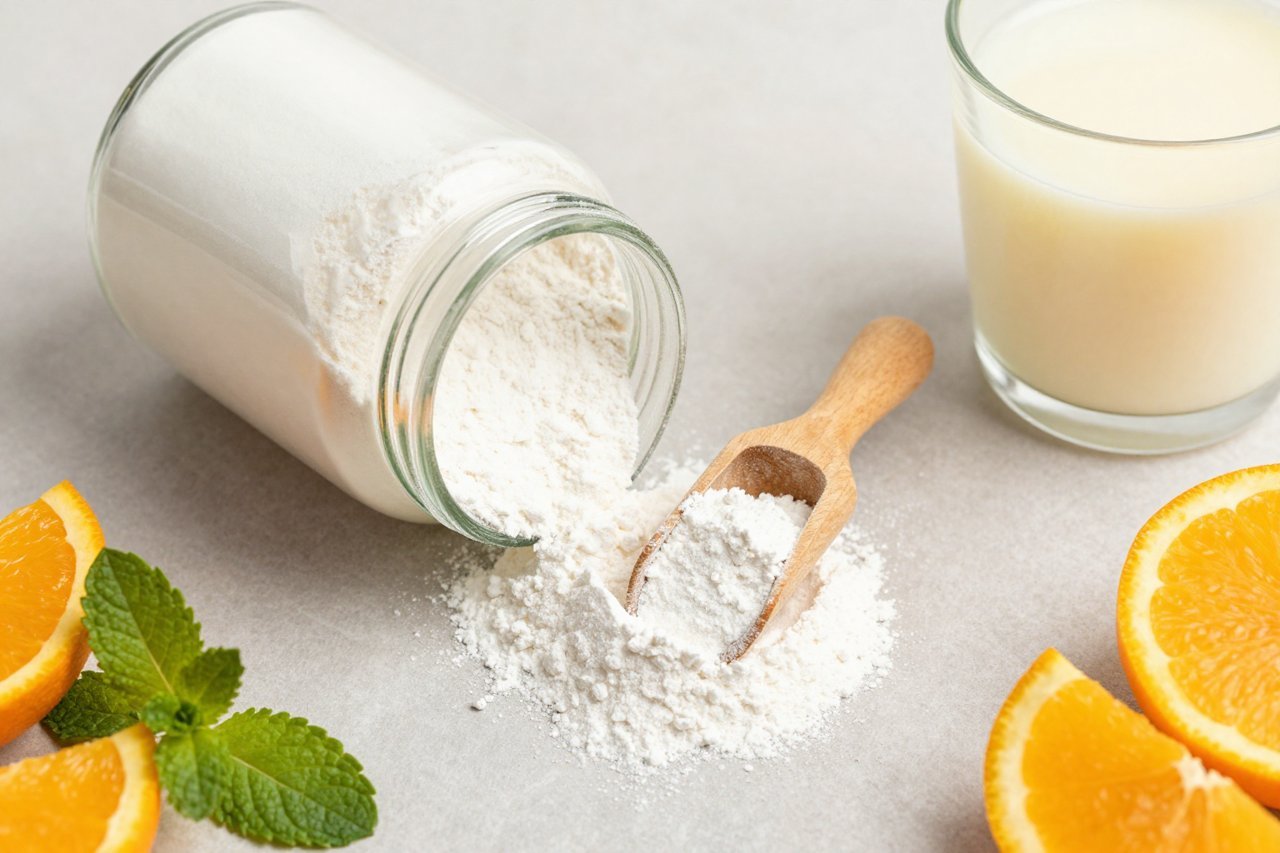
Powders usually offer the best value and the highest dose per serving, with most providing 10 to 20 grams. Liquids are convenient but pricey. Capsules are easy to swallow, but you might need to take six to eight a day to hit a therapeutic dose. For most people, a powder you can stir into coffee or a smoothie is the practical choice.
What to Look for on the Label
Marketing is aggressive, but the label tells the truth. Here’s your checklist:
- Dose: Look for at least 10 grams of collagen peptides per serving. Some products sneak in 2.5 grams and call it a day.
- Amino acid profile: Collagen is rich in glycine, proline, and hydroxyproline. A good product will list these.
- Source: Pasture-raised bovine or wild-caught marine collagen are the most common. Marine collagen absorbs well but costs more.
- Vitamin C: Your body needs it for collagen synthesis. Many quality products add it, or you can take it separately.
- Third-party testing: Marine collagen can contain heavy metals. Look for brands that test for purity.
How Much Collagen Do You Actually Need?
Research uses different doses for different goals. For skin elasticity, most studies use 2.5 to 10 grams daily. For joint pain, 10 to 15 grams is common. For muscle and bone, 15 grams is typical. If a scoop only has 5 grams, you might need two scoops. Read the fine print.
The Best Collagen Supplement Isn’t Just the Powder
People buy collagen, expect instant results, and quit after two weeks. Collagen is a slow burn. You need eight to twelve weeks of consistent use to see a difference in your skin. And it works best when your overall nutrition is solid.
Collagen is a protein, but it’s an incomplete one. It lacks tryptophan, so it shouldn’t replace your regular protein intake. If you lift weights, your daily protein target matters more than collagen. That’s why many people mix collagen powder into a protein shake. If you’re trying to sort out your protein strategy, check out our guide to choosing a protein powder. The same principles of sourcing, taste, and dose apply.
Vitamin C is also non-negotiable. Your body can’t use the collagen you eat if you’re deficient in vitamin C. You can take 100 to 200 mg alongside your collagen or just make sure your diet has plenty. Many people get enough from a daily multivitamin. If you’re not sure what you actually need, we’ve written a straightforward breakdown of the vitamins that actually matter.
Collagen Side Effects and Who Should Skip It
Collagen is generally safe, but not for everyone. If you have a fish allergy, avoid marine collagen. Some people experience mild bloating or heartburn. There’s also a theoretical concern for people with a history of kidney stones, since collagen increases oxalate excretion. And if you’re pregnant or breastfeeding, the research is limited, so get the green light from your doctor first.
How Long Before You See Results?
Here’s a realistic timeline based on clinical studies:
- Skin: Noticeable improvement in hydration and elasticity after 8 to 12 weeks.
- Nails: Faster growth and fewer breakages within 4 to 6 weeks.
- Joints: Pain reduction typically reported at 12 to 16 weeks.
Your results depend on your age, starting collagen levels, and consistency. Missing a few days won’t ruin anything, but you need steady intake to maintain benefits. If you stop for six months, your levels go back to baseline.
Building a Collagen Routine That Sticks
The best collagen supplement is the one you actually remember to take. Build it into an existing habit. Put a scoop in your morning coffee, add it to a smoothie after a workout, or stir it into oatmeal. Collagen dissolves well in hot and cold liquids, though it clumps in cold water unless you give it a quick whisk.
You can also make it part of your evening routine. Some people sleep better with collagen because glycine has a calming effect, though the research is mixed. If you want to avoid overpriced options, remember that there are supplements that work and those that are just hype: collagen falls into the ‘works’ category when you choose wisely and stick with it.
For a deeper breakdown of collagen types, dosing, and research, read our complete guide to collagen supplements and how to choose. That piece gets into the nitty-gritty of clinical studies and brand differences.
Your move: pick one goal, get a quality powder, set a reminder, and give it eight weeks. That’s the real secret behind every ‘best collagen supplement’ list.


