
Table of Contents
Your lips are not like the rest of your skin. They have no sweat glands, no oil glands, and a thinner outer layer. That means they lose moisture faster and are more vulnerable to drying out. If you’ve never given them a second thought beyond swiping on a random balm when they feel tight, you’re not alone. But a basic lip care routine can prevent the chapping, peeling, and cracking that send so many people searching for answers.
This guide is for the complete beginner. No fancy tools, no ten-step process. Just the fundamentals you need to know to keep your lips comfortable and healthy.
Why Your Lips Need Their Own Routine
The skin on your lips is about three to five cell layers thick, compared to 16 or more on the rest of your face. It also lacks melanin, which is why lips are more prone to sun damage. Without oil glands to naturally lubricate them, they rely on outside help to stay supple.
When lips dry out, they don’t just feel tight. The surface can crack, peel, and even bleed. That creates a cycle where you lick them for relief, which evaporates and leaves them drier than before. A routine breaks that cycle.

- Thinner skin: More prone to irritation and moisture loss.
- No oil glands: Can’t self-moisturize.
- Less melanin: Higher risk of sun damage and discoloration.
- Constant exposure: Talking, eating, and breathing all take a toll.
The Four Core Steps of Any Lip Care Routine
You don’t need a dozen products. These four steps cover the essentials.
1. Cleanse Gently
Your lips don’t need a dedicated cleanser. Whatever you use on your face is fine, as long as it’s not harsh. Avoid scrubbing them with a washcloth or using strong exfoliating acids. A gentle rinse with lukewarm water is enough most days.
2. Exfoliate Occasionally
Exfoliation removes dead skin that can make lips look dull and feel rough. But it’s easy to overdo. Once or twice a week is plenty for most people. Use a soft toothbrush, a sugar-and-honey scrub, or a dedicated lip exfoliant. Be gentle—no hard scrubbing.
3. Hydrate and Seal
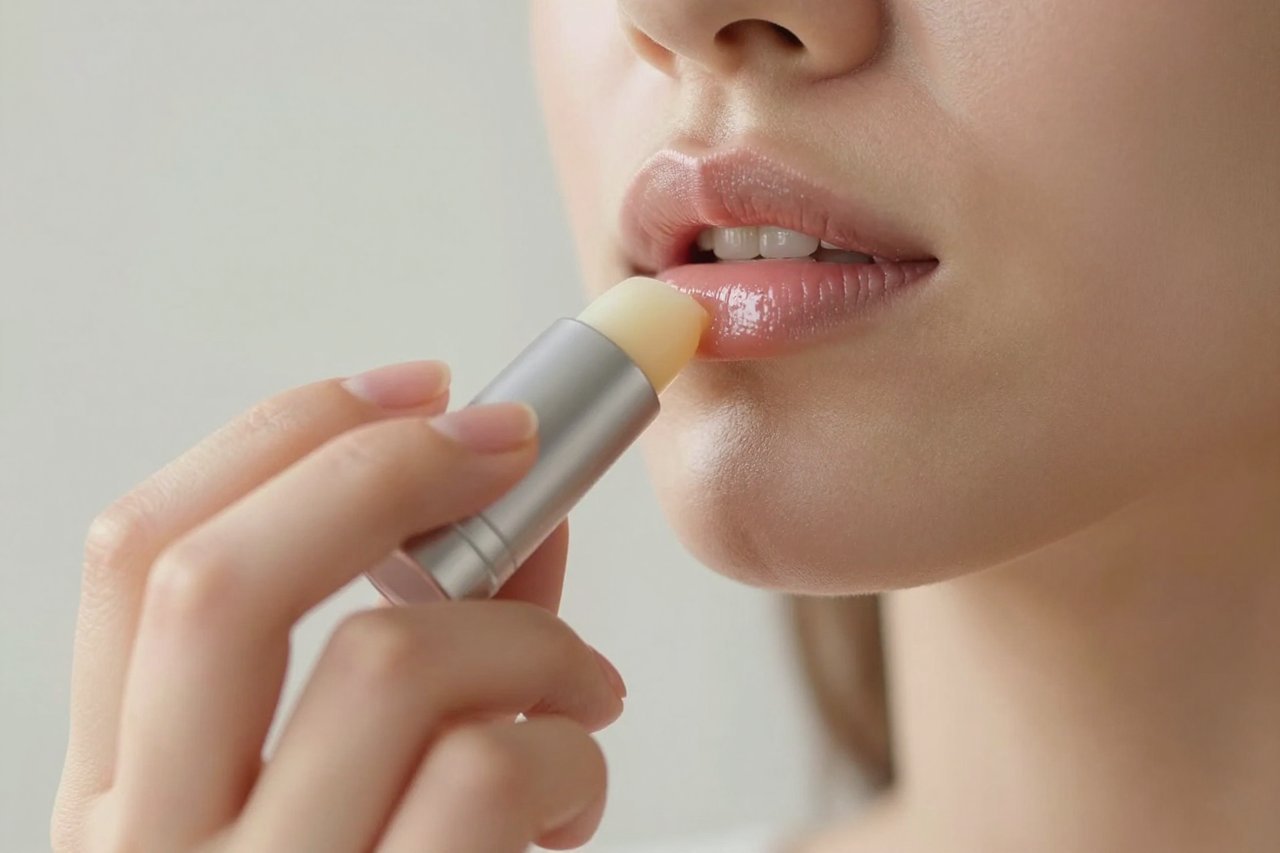
This is the heart of any lip care routine. You want to add moisture and then lock it in. Look for products with humectants like glycerin or hyaluronic acid, and occlusives like petrolatum, beeswax, or shea butter. Apply after cleansing and throughout the day as needed.
4. Protect with SPF
Lips are highly susceptible to sun damage, which can lead to dark spots, thinning, and even skin cancer. Use a lip balm with SPF 30 or higher every day, even when it’s cloudy. Reapply every two hours if you’re outside.
If you want a more detailed walkthrough of these steps, the step-by-step lip care routine that saved my chapped lips breaks it down day by day.
Choosing Products That Actually Help
The lip care aisle is crowded. Balms, masks, scrubs, oils—it’s easy to waste money on things that don’t work. The key is understanding what different products do and what ingredients to look for.
For a comparison of balms, DIY options, and masks, this breakdown of which lip care routine actually works is a good place to start.
Ingredients to Look For
- Occlusives: Petrolatum, beeswax, lanolin, shea butter. These seal in moisture.
- Humectants: Glycerin, hyaluronic acid, honey. These draw water into the skin.
- Emollients: Coconut oil, jojoba oil, squalane. These soften and smooth.
- SPF: Zinc oxide or titanium dioxide for sun protection.
Ingredients to Avoid
- Menthol, camphor, phenol: These give a cooling or tingling sensation but can irritate and dry lips over time.
- Flavors and fragrances: They can encourage lip licking, which makes dryness worse.
- Alcohol: Can be drying in high concentrations.
Mistakes Beginners Make All the Time
Even with good intentions, some habits backfire. Licking your lips is the classic one—it feels good for a second, then leaves them drier. Over-exfoliating is another. And using a balm that you’re allergic to can cause chronic peeling.
If your lips keep peeling no matter what you try, there’s a good chance one of these lip care routine mistakes is to blame. Common culprits include:
- Licking lips frequently
- Picking or biting at flakes
- Using matte lipsticks without a hydrating base
- Skipping SPF
- Not drinking enough water
Your Simple Daily and Weekly Routine
Here’s what a beginner-friendly lip care routine looks like in practice.
Morning
Rinse lips with water. Apply a hydrating balm with SPF. If you wear lipstick, apply balm first as a base.
Throughout the Day
Reapply balm as needed, especially after eating or drinking. If you’re outside, use SPF balm every two hours.
Evening
Cleanse your face as usual, including lips. Apply a thicker balm or a lip mask before bed to help lips recover overnight.
Weekly
Exfoliate once or twice a week. Follow with a hydrating balm or mask. Don’t exfoliate if lips are cracked or bleeding—wait until they heal.
For a deeper dive into building a routine that fits your lifestyle, the complete guide to soft, healthy lips covers more advanced tips.
Making It Stick
Consistency matters more than any single product. If you only apply balm when your lips feel dry, you’re always playing catch-up. Instead, make it a habit: balm after brushing your teeth, balm before bed, balm in your bag. Within a week or two, you’ll notice a difference.
Also, give it time. Lips that have been dry for a while won’t heal overnight. If you’ve tried everything and your lips are still severely cracked or painful, see a doctor or dermatologist. Sometimes an underlying condition like eczema or a vitamin deficiency is at play.
Start with the basics. Cleanse, exfoliate occasionally, hydrate, and protect. That’s a lip care routine you can actually stick with, and your lips will thank you.


