
Table of Contents
Antarctica is the kind of place that rewires your sense of scale. Icebergs the size of cathedrals drift past your ship, penguins waddle along shorelines that have never known a tree, and the silence is so profound you can hear your own heartbeat. A cruise to Antarctica isn’t just a vacation—it’s an expedition to the most remote continent on Earth. But getting there takes planning, and the choices you make can shape your entire experience. Here’s what you need to know before you book.
Why Choose a Cruise to Antarctica?
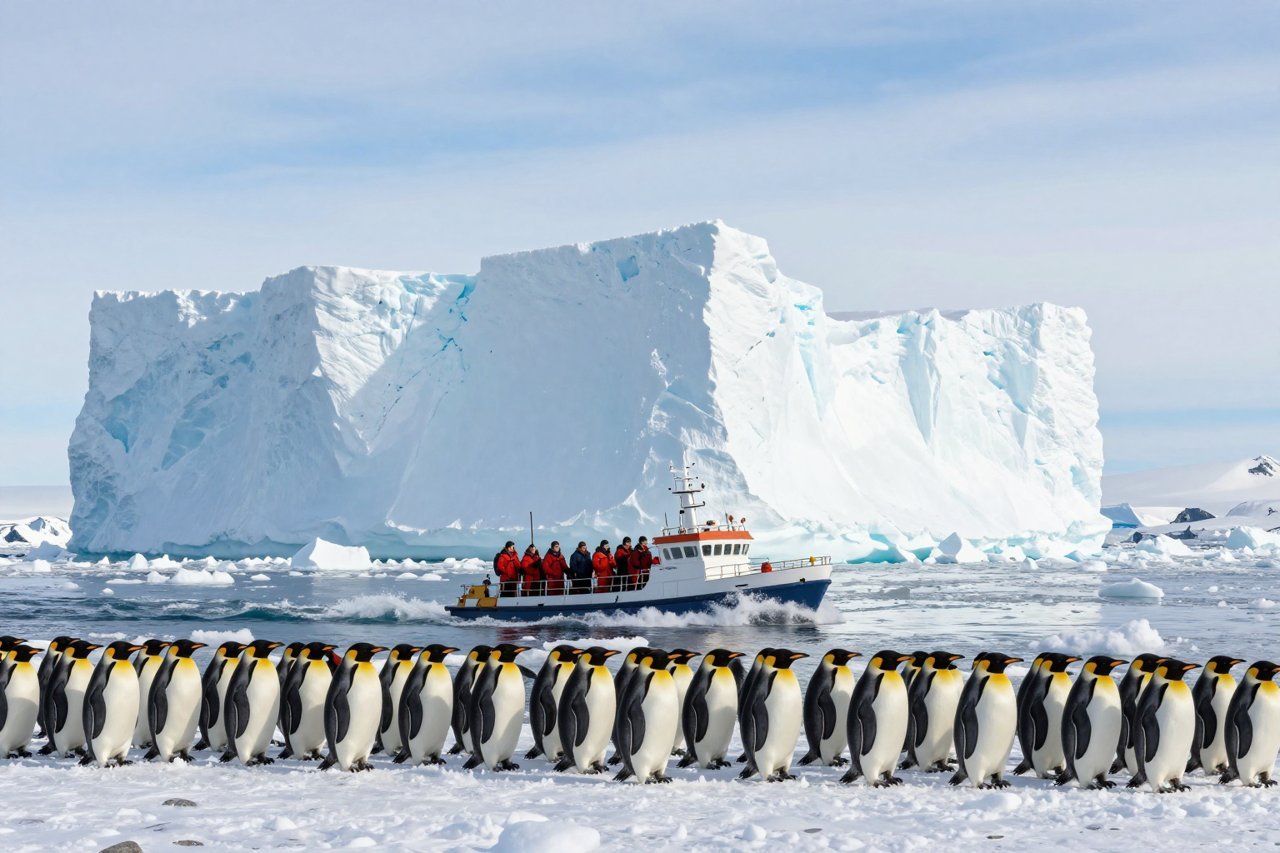
Cruising is by far the most practical way to visit Antarctica. There are no hotels, no roads, and no commercial flights landing on the continent (except for a few fly-cruise options). A ship serves as your base camp, transporting you across the infamous Drake Passage and then navigating along the Antarctic Peninsula, offering daily Zodiac excursions to shore. On a typical voyage, you’ll witness colossal glaciers, active volcanoes, and an abundance of wildlife from whales to seals to five species of penguin. No other travel method gives you such access.
When to Go: Navigating the Antarctic Seasons
The Antarctic travel season runs from November to March—the austral summer. Each month offers a distinct flavour:
- November: Early season, with the most pristine snow, courtship displays by penguins, and heavy ice conditions that can make navigation challenging but rewarding.
- December and January: Peak summer. Long daylight hours (up to 20 hours), warmer temperatures (around 0°C), and penguin chicks hatching. This is the most popular window.
- February and March: Late season, with increased whale activity as they feed voraciously before winter, and stunning sunset colours. Ice conditions are more favourable for exploring deeper south.
Choosing Your Expedition Vessel
Not all ships are allowed to take passengers to Antarctica. The International Association of Antarctica Tour Operators (IAATO) regulates tourism to protect the fragile environment. Most vessels are purpose-built expedition ships, but they vary greatly in size, luxury, and onboard amenities.

Small Ships vs Mega Ships
Antarctica regulations limit landing sites to 100 passengers at a time. Ships carrying more than 500 passengers cannot make landings at all—they can only cruise by. For a true Antarctic experience, choose a ship with fewer than 200 guests. That means more time on shore, more intimate wildlife encounters, and a smoother Zodiac operation. Many small expedition ships offer sturdy stabilisers and ice-strengthened hulls to handle the Southern Ocean.
Luxury Cruise Options
If you prefer a higher level of comfort, several ultra-premium lines now operate in Antarctica. These vessels combine expedition capabilities with fine dining, spacious suites, and world-class service. For a deep dive into what makes these ships exceptional, check out our guide to the world’s finest luxury cruise lines. Whether you want butler service or a private balcony overlooking the ice, there’s a luxury option that doesn’t compromise on adventure. For more on the amenities that set them apart, see what defines a luxury cruise ship.
The Drake Passage: What to Expect
The Drake Passage is the body of water between South America and Antarctica, notorious for its rough seas. Swells can reach 10–15 metres, earning it the nickname “the Drake Shake.” But many crossings are surprisingly calm—the “Drake Lake.” Modern ships have advanced stabilisers that minimise motion, but if you’re prone to seasickness, preparation is key. We’ve compiled a full guide on Antarctica cruise motion sickness remedies, including medications, wristbands, and natural strategies that work. The crossing takes about two days each way, and the journey itself can be exhilarating: albatrosses glide alongside the ship, and the anticipation builds with every degree of latitude.
Highlights of an Antarctic Cruise
Once you cross the Antarctic Convergence, the landscape changes dramatically. The air turns cold and crisp, and the first icebergs appear. Each day brings new wonders. Typical activities include:
- Zodiac cruising among brash ice and around towering icebergs, getting close to seals and penguins.
- Continental landings where you can walk on the seventh continent, often surrounded by thousands of penguins.
- Kayaking and paddleboarding for the adventurous (usually an extra cost and limited spots).
- Polar plunges—a quick, exhilarating dip into near-freezing waters.
- Wildlife watching: Humpback whales, orcas, leopard seals, and elephant seals are common sights.
For a deeper look at the full journey, read The Ultimate Antarctica Expedition: A Journey to the White Continent.
Packing for the White Continent
Layering is the golden rule. A typical outfit includes thermal base layers, a fleece or mid-layer, a waterproof and windproof outer jacket, and insulated pants. Waterproof boots are essential—most expedition companies provide them or require specific types. Don’t forget UV-protected sunglasses (the glare off snow is intense), sunscreen, lip balm, and a good camera with extra batteries (cold drains them fast). Gloves and a warm hat are non-negotiable. Many ships provide a parka to keep, so check with your operator.
Responsible Travel in Antarctica
Antarctica is pristine and vulnerable. Every visitor must follow IAATO guidelines: don’t approach wildlife, don’t leave anything behind, don’t take anything (including rocks or shells), and stay on designated paths. Ships treat all waste carefully, and landings are supervised by expert guides. Choosing a responsible operator ensures that future generations can have the same transformative experience.
Planning Your Journey
Book early—Antarctica cruises fill up months in advance, especially for the peak December–January window. Prices vary widely: budget-friendly options start around $5,000 per person, while luxury voyages can exceed $20,000. Look for deals during early-bird or last-minute offers, but be flexible. Also consider your travel style—if you’re looking for a romantic escape, some lines cater specifically to couples; you can explore the best cruises for couples seeking a romantic getaway for inspiration. Whichever ship you choose, a cruise to Antarctica is a trip that will stay with you long after the ice has melted from your boots.


