
Table of Contents
If you’ve ever dealt with hemorrhoids, you know the discomfort can be distracting at best and excruciating at worst. The good news is that most cases improve with simple at-home care, and when they don’t, medical treatments are highly effective. This guide walks you through everything from immediate relief tactics to long-term prevention, so you can get back to feeling like yourself.
What Are Hemorrhoids and Why Do They Happen?
Hemorrhoids are swollen veins in the lower rectum or anus, similar to varicose veins. They can develop inside the rectum (internal hemorrhoids) or under the skin around the anus (external hemorrhoids). Straining during bowel movements, sitting for long periods, chronic constipation or diarrhea, pregnancy, and obesity are common culprits. Even genetics can play a role. Understanding the cause helps tailor your approach to hemorrhoids treatment.
At-Home Remedies for Immediate Relief
Most people find substantial relief with simple, inexpensive home treatments. These are often the first line of defense and can be remarkably effective.
Warm Sitz Baths
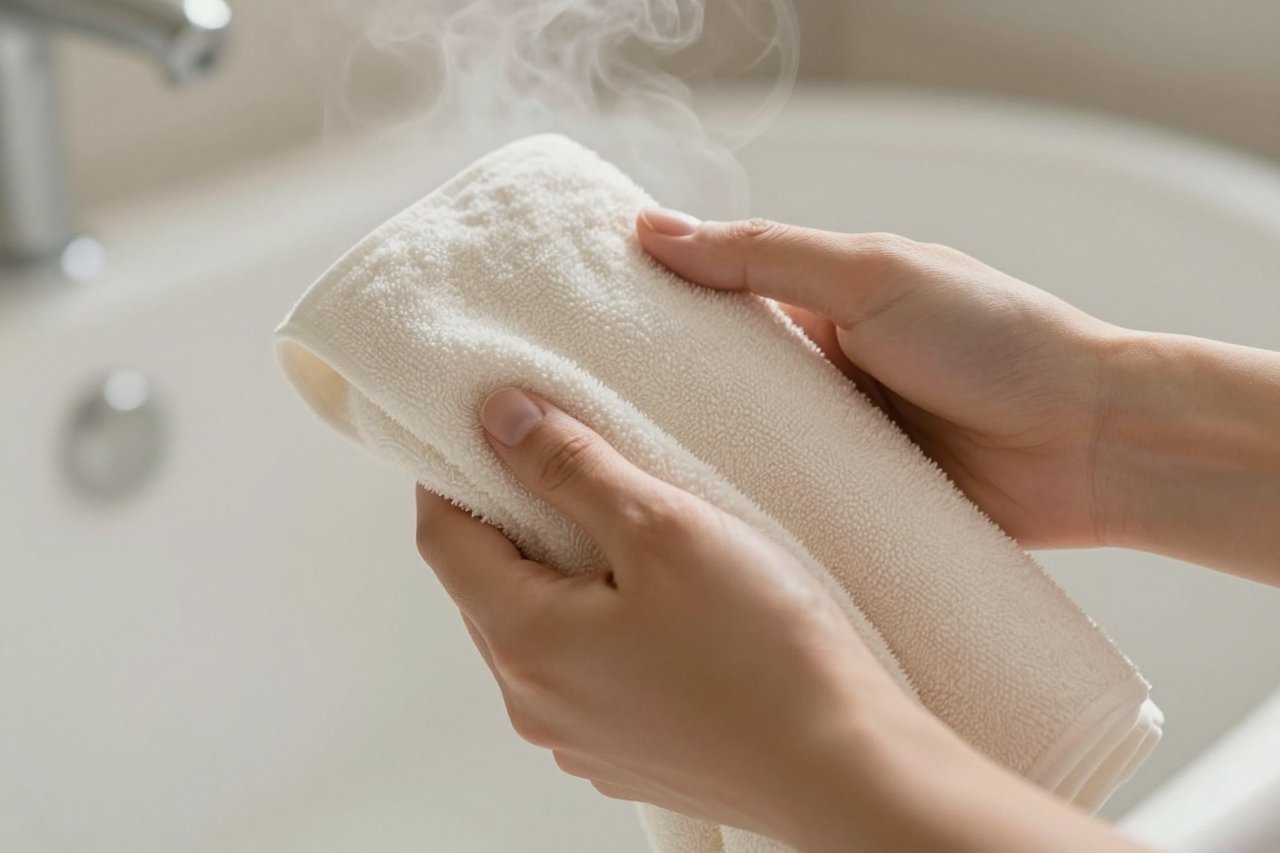
Soaking in a warm bath for 15–20 minutes, two to three times a day, reduces swelling and relaxes the anal sphincter. You don’t need special equipment—just a clean tub. For a more targeted soak, a sitz bath basin that fits over your toilet bowl works great. Pat dry afterward; don’t rub.

Cold Compresses
Applying an ice pack wrapped in a thin cloth to the anal area for 10–15 minutes can numb pain and shrink swelling. Repeat several times daily, but never apply ice directly to skin.
Over-the-Counter Products
Creams, ointments, and suppositories containing witch hazel, hydrocortisone, or lidocaine provide temporary relief. Look for products with a maximum strength of 1% hydrocortisone. Use them as directed, typically for no more than a week, to avoid skin thinning.
Fiber and Hydration
Soft, bulky stools pass more easily, reducing strain. Aim for 25–30 grams of fiber daily from foods like oats, beans, broccoli, and berries. If you can’t get enough from food, a psyllium husk supplement (like Metamucil) helps. Drink six to eight glasses of water a day—fiber needs water to work. For more detailed prevention tips, check out hemorrhoids treatment and prevention strategies.
When to See a Doctor
Home remedies should improve symptoms within a week. See a healthcare provider if you experience:
- Bleeding (bright red blood on toilet paper or in the bowl)
- Severe pain or discomfort
- A lump or prolapse that doesn’t go away
- Changes in bowel habits lasting more than two weeks
Bleeding can also signal other conditions, including colorectal issues. It’s wise to get any rectal bleeding evaluated. Learn more about screening and symptoms in our colorectal cancer guide.
Medical Treatments for Persistent Hemorrhoids
If at-home care isn’t enough, several office-based procedures can treat hemorrhoids effectively with minimal downtime.
Rubber Band Ligation
A doctor places a small rubber band around the base of an internal hemorrhoid, cutting off its blood supply. The hemorrhoid withers and falls off in about a week. It’s quick, relatively painless, and works for grade II and III hemorrhoids.
Sclerotherapy
A chemical solution is injected into the hemorrhoid, causing it to shrink. This is often used for smaller internal hemorrhoids that don’t respond to banding.
Infrared Coagulation (IRC)
A device directs infrared light at the hemorrhoid, creating scar tissue that cuts off blood flow. It’s effective for grade I and II hemorrhoids.
Surgical Options
For large, severe, or prolapsed hemorrhoids, surgery may be the best option. Hemorrhoidectomy removes the hemorrhoid tissue, while stapled hemorrhoidopexy repositions prolapsed internal hemorrhoids. Recovery takes a few weeks, but these procedures offer a permanent solution for many.
Lifestyle Changes to Prevent Recurrence
Preventing hemorrhoids from coming back is often about daily habits. Small adjustments can make a big difference.
Don’t Delay Bathroom Trips
When you feel the urge to go, don’t hold it. Waiting allows stool to dry and harden, increasing strain.
Adjust Your Toilet Posture
Sitting with your knees higher than your hips—using a small footstool—creates a more natural angle for elimination. This reduces straining and pressure on rectal veins.
Stay Active
Exercise improves circulation and prevents constipation. Aim for 30 minutes of moderate activity most days. Even a brisk walk helps.
Pregnancy is a common time for hemorrhoids due to increased pressure and hormonal changes. If you’re pregnant, talk to your doctor about safe management. Our article on pregnancy infection symptoms, treatment, prevention includes tips for maintaining pelvic health during this time.
The Role of Pelvic Floor Health
The pelvic floor muscles support the rectum and anus. Weakness or tension in these muscles can contribute to hemorrhoids and other conditions. Strengthening them with Kegel exercises may improve blood flow and reduce strain. For a deeper understanding, see this Q&A with Dr. Sara Reardon on pelvic floor health. Proper pelvic floor function is especially important for men, who may overlook this aspect of wellness. Learn more in our piece on men’s colorectal cancer and health.
Dietary Tweaks That Actually Work
Beyond fiber, specific foods can ease symptoms. Prunes and kiwi have natural laxative effects. Avoid low-fiber, processed foods and limit spicy dishes, which can irritate existing hemorrhoids. Keep a food diary to identify triggers.
Supplements Worth Trying
Some studies suggest that flavonoids—compounds in citrus fruits and dark berries—may strengthen vein walls and reduce swelling. Horse chestnut seed extract and diosmin are also used, but always check with your doctor before starting supplements.
Myths About Hemorrhoids Treatment
You might have heard that sitting on a cold surface causes hemorrhoids (false) or that you should avoid all physical activity (also false). Another common myth: hemorrhoids always require surgery. In reality, over 80% of people improve with lifestyle changes and conservative care. Don’t let misinformation delay effective treatment.
If you’re experiencing persistent symptoms, don’t assume it’s just hemorrhoids. Conditions like colon or rectal cancer can mimic hemorrhoid signs. Our colon cancer resource outlines warning signs and screening guidelines to help you stay informed.
Hemorrhoids are common, but they don’t have to control your life. With the right combination of home care, medical intervention when needed, and smart prevention, you can find lasting relief.


