
Table of Contents
Most oily skin isn’t oily because it’s dirty. It’s oily because your sebaceous glands are responsive — to hormones, to heat, to stress, and, rather ironically, to being stripped. Wash your face three times a day with a squeaky-clean gel cleanser and you can practically set your watch by the shine that returns around 10am. That rebound isn’t your skin malfunctioning. It’s your skin overcorrecting.
So the aim isn’t to delete oil. It’s to keep pores clear, calm the inflammation that turns a blocked pore into a red lump, and break the cleanse-too-much, moisturise-too-little loop that keeps oily skin stuck. Here’s what that looks like day to day.
First, work out whether you’re oily or dehydrated (or both)
These two get confused constantly, and the fix for each is close to opposite. Genuinely oily skin is shiny within two hours of cleansing, all over the T-zone and often the cheeks, with visible pores and a tendency to blackheads. Dehydrated skin feels tight after washing, looks dull rather than greasy, and can still produce plenty of oil because the surface is under-moisturised.
A rough test: cleanse, wait 30 minutes without applying anything, then press a blotting sheet to your forehead and each cheek. Oil on all three? You’re dealing with oiliness. Tightness plus flaking around the nose with shine on the forehead only? That’s dehydration layered on top, and you need more moisture, not less.

The reason this matters: people with dehydrated-oily skin often strip it further with alcohol toners and clay masks, which makes the tightness worse and the oil production louder. If that sounds familiar, stop the stripping for two weeks and see what happens.
A morning routine that holds shine until lunch
Mornings should be short and boring. Save the strong stuff for the evening.
Cleanse gently, for 30 to 60 seconds
A low-pH gel or foaming cleanser, lukewarm water, no flannel scrubbing. If your skin doesn’t feel tight afterwards, the cleanser is probably right. Hot water and 90-second washes strip the lipid barrier and set you up for rebound oil by mid-morning.
Add one water-light active
Niacinamide at 4–5% is the workhorse here. It helps regulate sebum, calms redness and supports the barrier without any sting. Apply it to slightly damp skin and give it a minute to settle.
Moisturise, even though you’re oily
Skip this step and everything else backfires. A gel-cream with ceramides or glycerin hydrates without a film. If you want specific formulas to slot in here, this round-up of the best serums for 2026 across skin types and budgets covers texture and price points in one place.
Sunscreen, but the right texture
Heavy cream sunscreens are the number one reason oily skin feels greasy by noon. Look for a fluid or gel SPF 50, apply two finger-lengths, and let it set for five minutes before makeup. A mattifying primer over the top does more than powdering four times a day.
Evening is where the actual work happens
Remove sunscreen properly
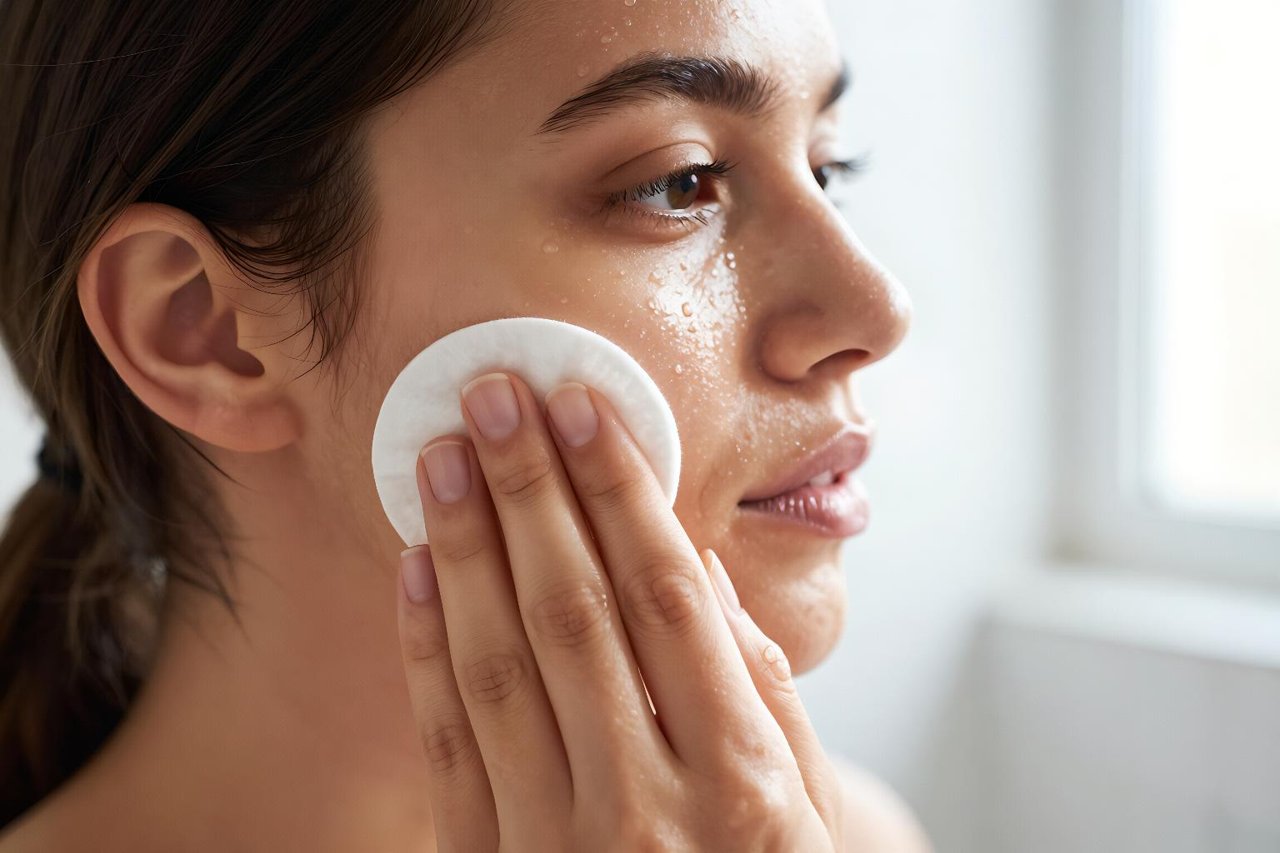
SPF is designed to stay put. A single pass with a foaming cleanser won’t fully lift it, and leftover residue plus sebum is a solid recipe for congestion. Use a cleansing balm or oil first, rinse, then follow with your gel cleanser. If your skin hates oils, micellar water on cotton pads works, as long as you go over the hairline and jaw.
Use one active, not four
This is the mistake I see most. Layering salicylic acid, benzoyl peroxide, a retinoid and an exfoliating toner on the same night doesn’t speed anything up; it just produces irritation that looks like a breakout and sends you buying more products.
- Salicylic acid 2% — best for blackheads and congestion. Three nights a week to start, on dry skin, leave-on rather than scrubbed off.
- Adapalene 0.1% — the strongest over-the-counter retinoid for comedonal acne. Pea-sized amount for the whole face, twice a week initially, and expect 6–8 weeks before real improvement.
- Benzoyl peroxide 2.5% — for inflammatory red spots. Short-contact (10 minutes, then rinse) reduces bleaching and dryness.
- Azelaic acid 10% — gentler option if your skin also flushes or has post-acne marks.
Moisturise again, thicker this time
Retinoids and acids thin the barrier temporarily. A ceramide cream at night is not optional, it’s the thing that lets you keep using the active at all.
Ingredients that earn their place, and ones that don’t
If you want a deeper look at which acne treatments actually have evidence behind them and which are expensive theatre, read this breakdown of what helps blemish-prone skin and what wastes your money. Short version: salicylic acid, retinoids, niacinamide, azelaic acid and benzoyl peroxide do the work. Walnut-shell scrubs, alcohol-based toners at 30% and 10-step routines generally don’t.
Be equally careful with the natural end of the shelf. Coconut oil, cocoa butter and most essential oils are lovely in a body lotion and a bad idea on a congested forehead. If you’re drawn to plant-based formulas, check the ingredient list rather than the front label: these must-know natural skincare ingredients explain which botanicals are genuinely calming and which are just fragrance with a nice story.
Do you need a toner?
Modern toners aren’t the stinging astringents of the 90s. A hydrating or gently exfoliating toner can be a genuinely useful step for oily skin, especially in summer, as long as it’s free of drying alcohol. This guide to the best toners for a balanced complexion separates the hydrating from the harsh. Use it after cleansing, before your active, and pat rather than swipe.
The habits that do more than any serum
Products get all the attention, but the boring details move the needle just as much.
- Pillowcases, twice a week. Cotton holds oil and residue from hair products. Rotate two or three and wash at 60°C.
- Clean your phone screen daily. It sits against your cheek for hours and collects exactly what you don’t want there.
- Conditioner before shampoo, or rinse the hairline. Silicones and oils running down your forehead overnight cause temple breakouts that look like a product problem.
- Blot, don’t powder. Pressing blotting paper once removes shine without disturbing your SPF. Layering powder four times a day traps sebum and debris in the pore.
- Check the whey. If you drink protein shakes daily and your jawline is congested, try switching to a plant-based powder for six weeks. It’s not universal, but it’s a cheap experiment.
- Change the gym routine. Rinse your face within 20 minutes of a sweaty session; leaving sweat and sunscreen on for two hours is a reliable way to wake up with new spots.
Back, chest and shoulders count too
Body breakouts from sweat and friction are the same problem on a bigger surface area. Swap the rich body butter for a lightweight, exfoliating wash and a fast-absorbing lotion, and treat the back like you treat your face. These Korean body-care products for clear, smooth skin are a good starting point for that switch, particularly if heavy creams leave you feeling sticky.
When nothing is working, start subtracting
Give any routine a full 12 weeks before you judge it, because retinoids in particular get worse before they get better. But if you’re past that point and still breaking out, resist the urge to buy a new serum. Instead, cut back to three products for two weeks: gentle cleanser, gel moisturiser, sunscreen. Nothing else. Around 60% of stubborn cases improve simply because the irritation cycle stopped.
If your spots cluster on the jawline and chin and flare the week before your period, that pattern points to hormonal acne, which topicals manage but rarely clear. A dermatologist can discuss prescription options, including spironolactone or combined oral contraceptives, that address the driver rather than the surface. Deep, painful nodules, scarring, or a sudden severe flare after age 25 are all worth a medical appointment rather than another round of online shopping.
The rest of the time, consistency beats intensity. Three products used every night for three months will do more for oily, blemish-prone skin than twelve products used for a week.


