
Table of Contents
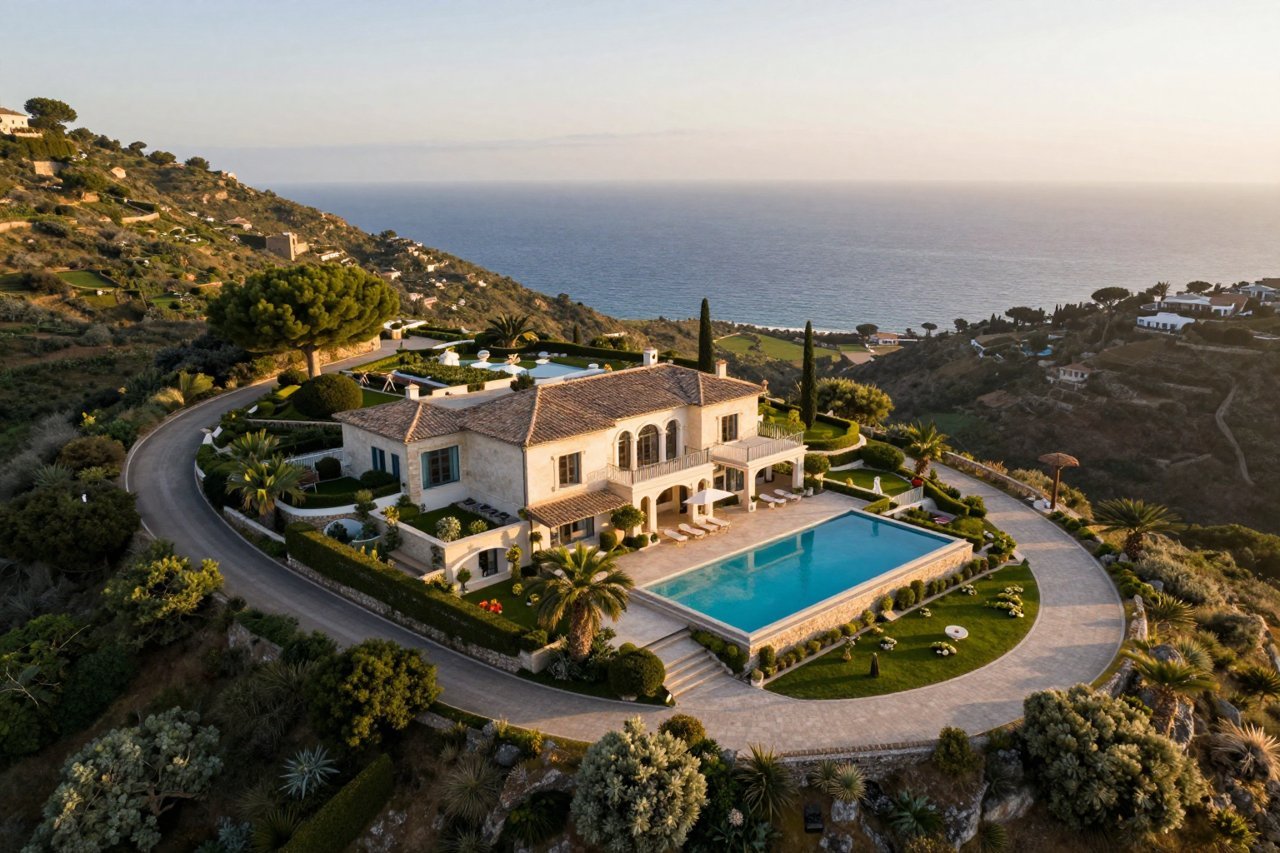
Few things capture the public imagination quite like the places where celebrities rest their heads. Whether it’s a glittering Beverly Hills pad or a sprawling Montana ranch, these homes offer a rare glimpse into a life most of us can only dream about. And while the gossip columns love to throw around price tags and square footage, the real story behind celebrity homes and mansions is far more fascinating than a simple listing could ever suggest.
We’re talking about private movie theaters, bowling alleys, wine cellars the size of apartments, and security systems that could guard a small nation. It’s an ecosystem of luxury, privacy, and status — and it tells us almost as much about the stars as their latest film or album.
What Really Defines a Celebrity Mansion?
Any house can be big. A mansion, though? That’s a different beast entirely. For the top tier of the entertainment world, a mansion isn’t just somewhere to live — it’s a statement of success. The ultra-rich tend to look for a few key things: land, amenity, and the kind of architecture that’s immediately recognizable from a drone shot.
Take the late rapper Nipsey Hussle’s L.A. house, or more famously, the sprawling Hidden Hills compound that Justin Bieber called home for a while. These aren’t just houses; they’re private resorts. Behind the gates, you’ll often find infared-lit tennis courts, full-service spas, and guest casitas that would easily qualify as luxury homes in their own right.

The “Mega-Mansion” Phenomenon
In recent years, architects and developers have taken celebrity homes to a new extreme: the mega-mansion. We’re talking properties with 100,000 square feet of living space, like the infamous “The One” in Bel Air, which nearly sold at auction for $126 million after years of over-the-top construction. These properties blur the line between residence and private museum, with glass walls, sculptural staircases, and underground garages that hold 30 cars.
The idea is less about comfort and more about spectacle. For a celebrity, a mega-mansion is a physical extension of their brand. It’s designed to be photographed, talked about, and remembered.
Famous Celebrity Estates That Still Set the Standard
Some celebrity homes become so iconic that they’re part of pop culture history. Oprah Winfrey’s 42-acre property in Montecito, known as “The Promised Land,” includes a teahouse, a man-made lake, multiple orchards, and a main house that’s more English country manor than Hollywood glamour.
Further north, Tom Cruise’s Telluride ranch offers a more rugged, private escape. These properties aren’t just about size — they’re about personal vision. One star might want a private vineyard, another a skate park. The result is a collection of estates that look absolutely nothing alike, even when they’re valued in the same nine-figure neighborhood.
The Price of Living Like a Star
Let’s talk numbers, because that’s where the public imagination runs wild. When Beyoncé and Jay-Z dropped $88 million on an ‘architectural masterpiece’ in Bel Air, it wasn’t just the biggest real estate deal in California at the time — it was a symbol of their combined cultural and financial power.
For many celebrities, real estate is the ultimate investment portfolio. Unlike risky movie deals or short-lived album cycles, prime property tends to hold its value. It’s also a way to hedge against the unpredictable nature of fame and music royalties. In fact, when you look at the real story behind many musicians’ net worth, you find that the best-earning artists in hip-hop and rock aren’t just sitting on cash — they’re converting it into land, especially in areas like L.A., Miami, and the Hamptons.
That liquid cash turns into something physical, something you can pass down. It also generates enormous ongoing costs. Property taxes on a $100 million home can exceed $1 million a year. Staff, security, gardening, maintenance — that’s another seven figures annually. So a celebrity mansion isn’t just a purchase; it’s a lifestyle that requires a serious income just to keep the lights on.
Building From the Ground Up vs. Buying a Fixer-Upper
Some stars choose to buy an existing trophy home and slap on new paint. Others go down the much harder, and often more rewarding, route of building from scratch. With a custom build, the singer or actor gets to decide everything from the direction of the sunrise views to the exact type of marble in the spa.
Building a celebrity mansion is a multi-year process, often involving top-tier architects like Paul McClean or Wallace E. Cunningham. The result is a home that genuinely feels like an expression of the person who commissioned it. But it also comes with drama — delays, cost overruns, and sometimes even lawsuits. Still, when the project is finally done, it’s often the first home they’ve ever truly loved.
For every star who wants a blank slate, there are others who prefer to buy a piece of history. When Kim Kardashian bought a mini-mansion from Madonna’s former estate agent, she wasn’t just buying square footage — she was buying a story. The buyer is often only the latest chapter in that story, which is part of the appeal.
Security: The Part of the House You Don’t See
You can’t talk about celebrity homes and mansions without mentioning security. It’s the hidden cost that shapes every architectural decision. For a high-profile star, a home without proper protection simply doesn’t exist on the market.
Gates, Guards, and Guest Houses
The most visible security feature is the front gate. We’re talking massive steel doors that can stop a SUV, biometric scanners, and a manned guardhouse 24/7. The guest house often doubles as a base for security personnel. And the perimeter is much more than a fence — it’s a moving network of sensors and cameras that cover every blind spot.
Here’s a short list of security features you’ll commonly find in top-tier celebrity homes:
- 6-foot concrete walls capped with anti-climb spikes and motion detectors
- Infrared security cameras integrated with facial recognition software
- Bulletproof glass and reinforced steel doors on all main entrances
- Safe rooms with reinforced walls, ventilation, and an independent power supply
- Vehicle barriers rated to stop heavy trucks
Of course, the discreet side of this is even more important. The real story behind the gates, guest houses, and gossip is that privacy isn’t just about keeping out fans — it’s about keeping out paparazzi with telephoto lenses who camp on public land hoping for a shot of a kid’s birthday party.
Panic Rooms and Privacy Features
Many celebrities now install panic rooms into their primary suites. These safe rooms are hidden behind paneling or mirrors, and they’re packed with medical supplies, communication equipment, and even an escape tunnel. On a more normal level, the rise of smart home technology means a celebrity can control every blinds, lock, and camera from a single app, so they never have to walk past a window to check if the security system is armed.
Why Celebrity Homes Keep Catching the Public Eye
Let’s be honest: we’re fascinated by these properties because they represent a level of freedom we can only imagine. No concerns about the mortgage or the noise of neighbors. Instead, it’s about space, silence, and the ability to have any amenity you can think of in your own backyard.
The media fuel this fascination with curated home tours and giant spreads in architecture magazines. Every year, we watch those programs where an A-lister shows off their pantry with another 500 square feet of hand-painted backsplash. It feels intimate, almost like they’re letting us into their world. And some of the most telling moments in celebrity podcasts and interviews happen right in their living rooms.
But there’s another layer: the real estate market itself. Celebrity homes can influence entire neighborhoods. A star moving into a previously sleepy suburb can spike property values, attract new businesses, and turn a quiet street into a tourist destination.
The Ever-Changing Celebrity Real Estate Market
The celebrity real estate game is never static. Stars buy and sell with surprising frequency, often making a tidy profit on the side. As fashion and taste change, these estates get bought, demolished, and rebuilt into something new.
The COVID era saw a shift toward more space and privacy, with many celebrities trading in their Beverly Hills mansions for Malibu beach houses or farm estates in upstate New York. Now that post-pandemic life is thriving again, we’re seeing a return to urban hotspots like Manhattan penthouses, but with an even greater emphasis on home, spa, and wellness.
It’s also becoming more common for celebrities to sell their homes through off-market listings, so their names never enter the public record. They want to retain control over the narrative. And when they do go public, it’s often with a massive marketing campaign that positions the home as a once-in-a-generation opportunity.
At the very top of the market, celebrity homes are also becoming a kind of art. They’re living sculptures built from glass, stone, and wood. They’re places where family moments happen, where album covers are shot, where movie deals are signed at kitchen islands that cost more than most apartments. And as the world moves forward, these estates will continue to evolve, mirroring the technology, culture, and tastes of their famous owners.


