
Table of Contents
Loose skin is one of those things that sneaks up on you. Maybe you’ve shed a significant amount of weight—congrats, by the way—and now there’s a little extra around your midsection or arms. Or perhaps you’ve noticed your jawline isn’t as sharp as it used to be, and your cheeks feel… softer. It’s normal. Collagen and elastin production slow down as we age, and factors like sun exposure, genetics, and rapid weight changes can accelerate the process. The good news? There are more options than ever for a skin tightening treatment that actually delivers. But with so many procedures, devices, and creams out there, it’s easy to feel overwhelmed. This guide breaks down the most effective options—from in-office devices to at-home helpers—so you can decide what fits your skin and your life.
What Causes Skin to Lose Its Firmness?
Before diving into treatments, it helps to understand the biology. Your skin’s structure is like a mattress: collagen and elastin fibers form the springs, and hyaluronic acid acts as the padding. Over time, the springs break down, the padding thins out, and the mattress starts to sag. Sun damage, smoking, and even certain medications can speed this up. Weight loss is another major cause—when you lose a lot of fat quickly, the skin doesn’t always shrink back in time. That’s why many people explore a skin tightening treatment after major weight loss. (We’ve covered the best post-weight loss body treatments in detail—check out Weight Lost: The Best in Post-Weight Loss Body Treatments for a deeper dive.)
Non-Invasive Treatments: Heat, Energy, and Collagen Remodeling
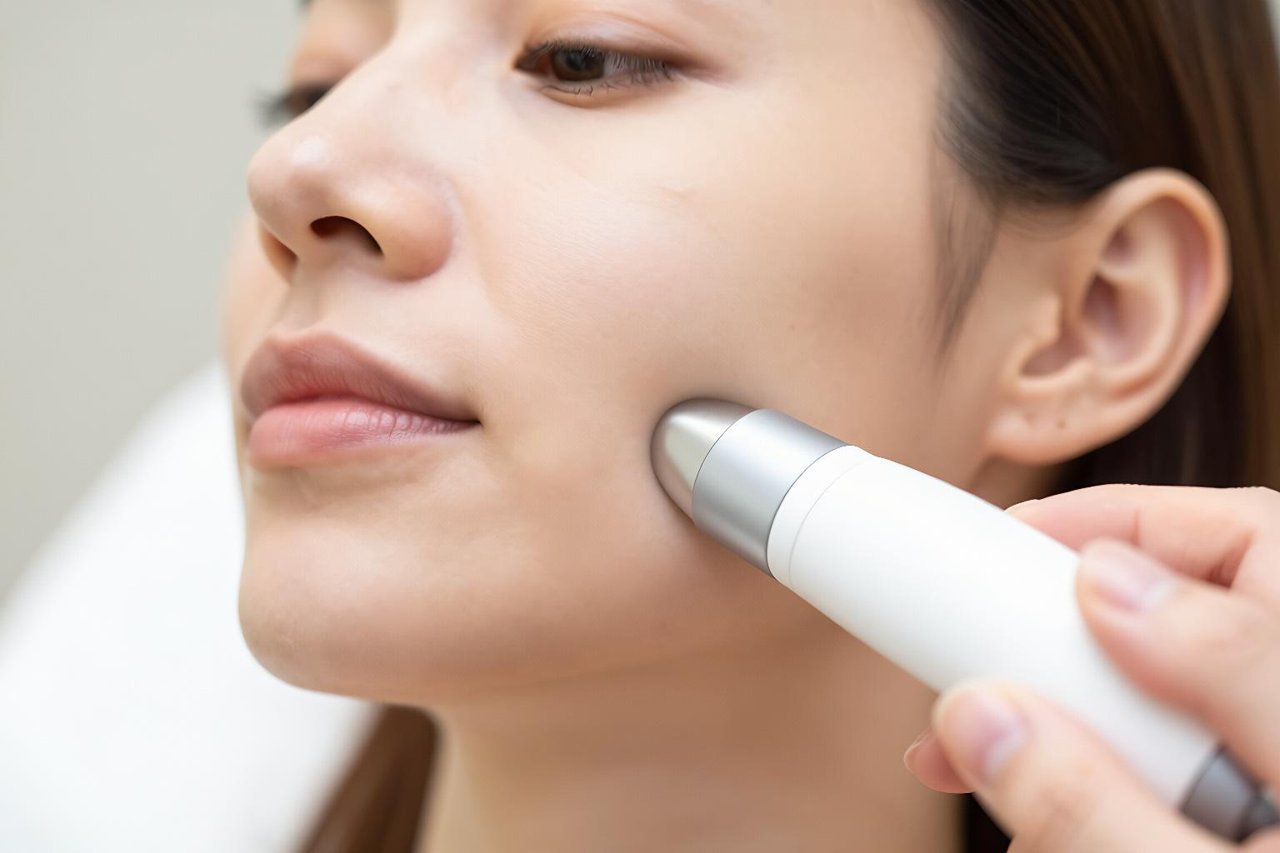
Non-invasive treatments use energy—radiofrequency, ultrasound, or laser—to heat the deeper layers of your skin without damaging the surface. That heat triggers a wound-healing response, which stimulates new collagen production. Results take time (2-6 months) but can be impressive with the right protocol.
Ultherapy
Ultherapy uses focused ultrasound energy to heat the foundational layers of the skin—the same layers a cosmetic surgeon would tighten during a facelift. It’s FDA-cleared for brow lifts, chin tightening, and improving lines on the chest. Most patients need one session, and results emerge over 2-3 months. Typical cost: $2,000–$4,500 per session.

Radiofrequency (RF) Skin Tightening
Radiofrequency devices, like Thermage or Forma, deliver heat to the dermis using electrical currents. They’re popular for the face, neck, and abdomen. A full face treatment runs about $1,500–$3,000. You may need 1-3 sessions. RF is painless for most, with mild redness that fades within hours.
Laser Skin Tightening
Lasers—particularly fractional and non-ablative ones—also heat the dermis but use light energy. They can improve skin texture and tone while tightening. Recovery is usually a few days of redness. Prices vary widely: $1,000–$3,000 per session, and 3-5 sessions are typical.
Minimally Invasive: Microneedling and RF Microneedling
If you want more dramatic results without surgery, microneedling—especially when combined with radiofrequency—is a powerhouse. Tiny needles create controlled micro-injuries in the skin, triggering collagen production. Add RF energy, and you’re cooking (literally) the deeper layers for even more tightening.
RF Microneedling
This is one of the hottest skin tightening treatment options right now. Devices like Morpheus8 or Vivace combine needles with radiofrequency. The needles penetrate 1-4 mm deep, delivering heat precisely where it’s needed. It works for loose skin on the face, neck, stomach, and even stretch marks. A series of 3 treatments typically costs $2,000–$4,500 total. Downtime is minimal—redness and slight swelling for a day or two. For a full breakdown of costs, risks, and benefits, read Is Radiofrequency (RF) Microneedling the Secret to Tighter Skin?.
Regular Microneedling
Without RF, microneedling still offers tightening—just less dramatic. It’s great for improving skin texture and mild laxity. Each session runs $300–$700, and you’ll need 3-6. Serums infused during treatment (like growth factors or hyaluronic acid) can boost results.
At-Home Options and Preventive Care
You can’t compare an at-home device to an in-office treatment—but you can maintain and even improve mild laxity with consistency. And some topical ingredients actually stimulate collagen over time.
Topical Retinoids and Peptides
Retinoids (like retinol or prescription tretinoin) speed up cell turnover and boost collagen. Peptides signal your skin to produce more collagen. Both work slowly over months. They’re good for prevention and mild tightening. Expect to spend $20–$150 per product.
Botox in a Bottle?
You’ll see “Botox in a bottle” claims everywhere. Some topical products contain peptides or muscle-relaxing ingredients that can give a slight lifting effect—nothing like actual Botox, but they can help soften fine lines. Derm-backed options are out there; check out 11 “Botox in a Bottle” Skin-Care Products, According to Derms for recommendations.
Collagen Masks and DIY Treatments
Sheet masks soaked in collagen or peptides give a temporary plumping effect—great for a special event. For more persistent help, some collagen masks truly improve hydration and firmness over time. The ones that work best contain ingredients like niacinamide or vitamin C. Learn which ones are worth it in These Collagen Masks Actually Do Something for Your Skin.
And if you love natural remedies, honey masks can soothe and hydrate, which indirectly supports skin health. Honey is a humectant and anti-inflammatory. Try a simple honey mask once a week—find recipes in 27 Honey Beauty Recipes Your Skin Will Love.
Treating Tired Eyes
Under-eye hollows and loose eyelids can make you look weary even when you’re not. Cold compresses, caffeine serums, and gentle massage help. For natural approaches and product picks, see 7 Natural Treatments for Tired Eyes + Our Favorite Product Picks.
Choosing the Right Skin Tightening Treatment
With so many options, how do you pick? Start by considering these four factors:
- Severity of laxity. Mild? Start with at-home care or a few non-invasive sessions. Moderate to severe? Consider RF microneedling or Ultherapy. Very severe? A surgical lift may be the real answer.
- Budget. At-home products cost hundreds per year. In-office treatments range from $1,000 to $5,000 total. Surgery is $10,000+.
- Downtime tolerance. Non-invasive has zero downtime. Microneedling has a few days of redness. Surgery may take weeks.
- Body area. Some treatments work best on the face, others on the body. RF microneedling and radiofrequency are versatile; Ultherapy is mainly for face and neck.
It’s smart to consult with a board-certified dermatologist or plastic surgeon. They can assess your skin thickness, elasticity, and overall health to recommend a tailored plan. Many clinics offer free consultations where they’ll test a device on your arm to show how it feels.
One last tip: combine treatments for better results. For example, a series of RF microneedling + at-home retinoids and peptide creams can give you cumulative tightening. And always, always wear sunscreen—UV damage is collagen’s worst enemy.
The landscape of skin tightening treatment is vast, but there’s a pathway for every skin type, budget, and goal. Whether you choose a lunchtime laser session or a more intensive RF microneedling series, the key is consistency and patience. Collagen remodeling takes time—but the payoff is a firmer, younger-looking you.


