
Table of Contents
Bringing home a new puppy is exciting, but fleas can quickly turn that joy into frustration. The tiny parasites don’t just cause itching—they can lead to tapeworms, allergic reactions, and even anemia in very young pups. Choosing the right flea treatment for your puppy is critical, but it’s not as simple as grabbing any product off the shelf. Puppies have sensitive systems, and many common flea treatments are only safe for adult dogs. This guide breaks down exactly what you need to know to keep your puppy flea-free without risking their health.
When to Start Flea Treatment for Puppies
The first thing to understand is that age and weight matter. Most flea treatments are approved for puppies starting at 8 weeks of age, but some require the puppy to weigh at least 2 to 4 pounds. Always check the product label—don’t guess. A 6-week-old puppy may be too young for oral medications but could tolerate a gentle shampoo. Your veterinarian is the best source for timing, but here are general guidelines:
- 8 weeks old: Many topical spot-ons (like Frontline Plus) become safe. Also, some oral chewables (like NexGard) start at 8 weeks.
- 10 weeks old: Seresto collars can be used. Bravecto chews begin at 12 weeks.
- 12 weeks and up: Most products are available, but always confirm weight requirements.
If your puppy has fleas before the minimum age, consult your vet. They may recommend a flea comb and a bath with lukewarm water and mild dish soap to physically remove fleas. Never use a product not labeled for puppies.
Types of Flea Treatments Safe for Puppies
Each category of flea treatment has pros and cons. Here’s a look at the most common options for puppies.

Topical Spot-On Treatments
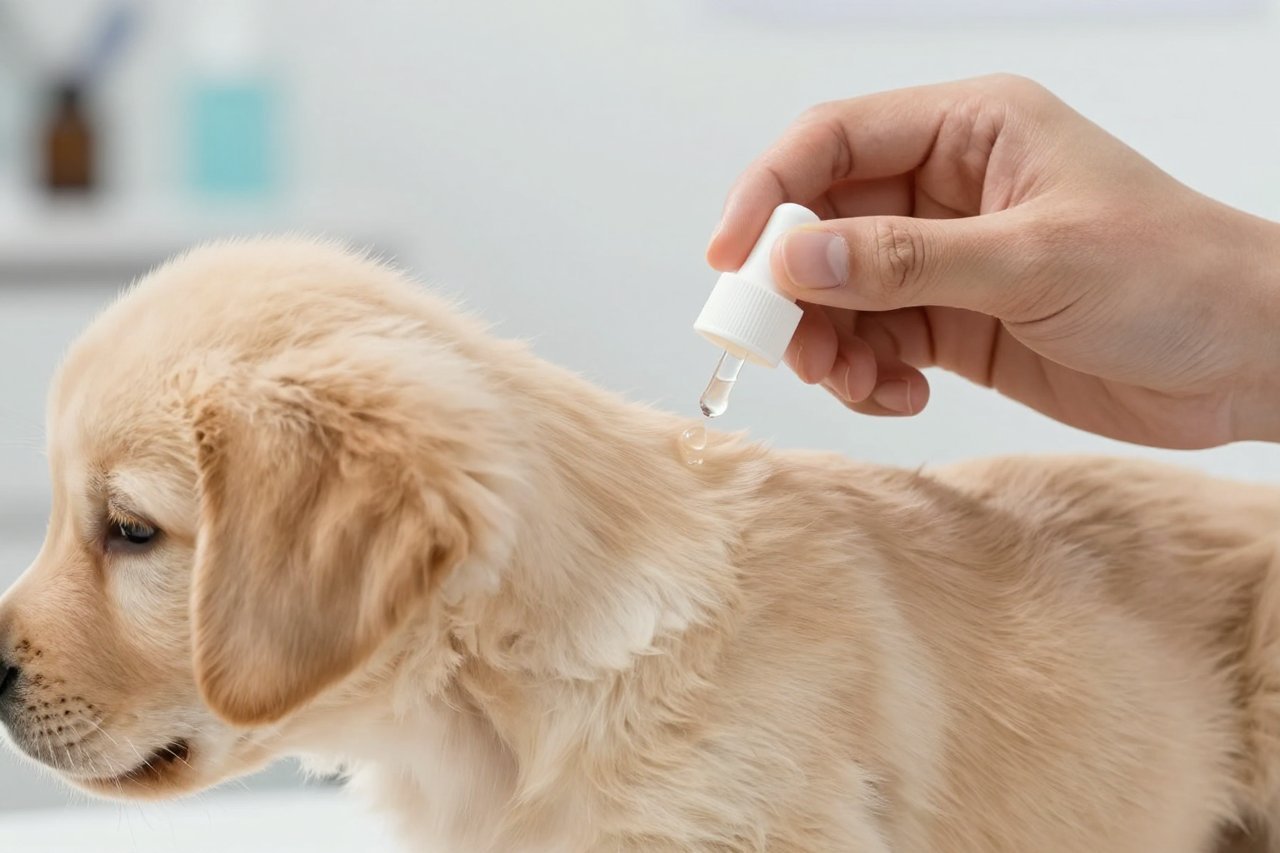
These are applied directly to the skin, usually between the shoulder blades. The liquid spreads through the skin’s oil glands, killing fleas on contact. Brands like Advantage II and Frontline Plus are available in puppy-specific formulations. They start working within hours and last about a month. Spot-ons are easy to use, but you must keep the puppy from licking the area until it dries.
Oral Medications
Oral flea treatments come as chewable tablets or soft chews. They’re popular because they’re easy to give and have no residue. Products like NexGard and Bravecto require a prescription and are approved for puppies from 8 to 12 weeks, depending on the brand. They kill fleas by targeting the nervous system—very effective, but some puppies may have digestive upset. For a deeper look at top options, see The Best Flea Treatment for Dogs: What Actually Works in 2025.
Flea Collars
Flea collars like Seresto release chemicals over several months to repel and kill fleas. They’re convenient but must fit properly. Seresto is safe for puppies 10 weeks and older. However, some collars may irritate the skin. If you’re debating between a collar and chewables, read Seresto Collar vs. Bravecto Chews: The Ultimate Showdown in Flea and Tick Protection for a detailed comparison.
Flea Sprays and Shampoos
Sprays and shampoos provide immediate relief but short-term protection, usually a few days. They’re good for killing adult fleas on contact, especially if your puppy is too young for other products. Use only sprays labeled for puppies, and avoid getting them in the eyes or mouth. Flea shampoos can dry out a puppy’s skin, so use them sparingly.
Flea Treatment Safety: What to Avoid for Puppies
Not all flea products are created equal, and some are downright dangerous for puppies. Here’s what to steer clear of:
- Products containing permethrin – This chemical is highly toxic to puppies and cats. Many dog-only products have it, so read labels carefully.
- Flea bombs or foggers – These expose puppies to harsh chemicals. Safer alternatives include thorough vacuuming and laundering bedding.
- Essential oil-based remedies – Tea tree oil, pennyroyal, and other natural oils can cause seizures or skin burns in puppies. Stick to vet-approved methods.
- Adult dog products – Never give your puppy a flea treatment meant for a large adult dog. Dose is based on weight; an overdose can be fatal.
Always consult your vet before starting any flea regimen. If your puppy shows signs of drooling, vomiting, or lethargy after application, call your vet immediately.
How to Choose the Right Flea Treatment for Your Puppy
With so many options, how do you decide? Consider these factors:
- Age and weight of your puppy. Start with products that match their exact age and size.
- Your lifestyle. If you live in a high-tick area, you may want a product that covers both fleas and ticks. Some oral medications also prevent heartworm.
- Other pets in the home. If you have cats, avoid dog products with permethrin. Also, treat all dogs in the house to break the flea life cycle.
- Ease of application. Some puppies hate spot-ons; others spit out chewables. Try a few to see what works.
Your vet can help narrow down choices. They know which products are effective in your region.
Natural Flea Prevention for Puppies
While not a replacement for treatments, these practices can reduce flea numbers:
- Regular flea combing – Use a fine-toothed comb daily during flea season. Dip the comb in soapy water to kill captured fleas.
- Wash bedding weekly – Wash your puppy’s bed and soft toys in hot water to kill flea eggs and larvae.
- Vacuum carpets and upholstery – Vacuum every few days, especially under furniture. Discard the bag or canister contents immediately.
- Yard maintenance – Keep grass short and remove debris where fleas hide.
But natural methods alone aren’t enough for an active infestation. Combine them with a vet-recommended flea treatment for puppies.
What If Fleas Persist?
Sometimes fleas seem impossible to get rid of. That’s because only 5% of the flea population lives on your pet—the rest are in the environment. To break the cycle:
- Treat all pets in the home with a suitable product.
- Use a growth regulator (like lufenuron) to prevent eggs from hatching.
- Consider professional pest control if the infestation is severe.
- Fleas can also transmit tapeworms, so watch for small white rice-like segments in your puppy’s stool. If you see them, ask your vet about deworming. For broader parasite protection, including heartworm, read Why Your Pet Needs Year-Round Heartworm Prevention.
The Cost of Flea Treatment and Pet Insurance
Flea treatments can add up, especially if you have multiple pets or a severe infestation. Topical spot-ons cost around $15–$30 per dose, oral chews $20–$70 depending on the brand, and collars $50–$80 for an 8-month supply. If your puppy develops flea allergy dermatitis or a secondary skin infection, vet bills can be much higher. That’s where pet insurance comes in. Many plans cover flea-related conditions if they’re not considered pre-existing. To compare options, see Best Dog Insurance: Top Providers & How to Choose the Right Plan. A good policy can reimburse you for unexpected treatments.
Setting a Flea Prevention Routine
Consistency is key. Mark your calendar to apply treatments on schedule. Most preventives work for one month, so don’t skip a dose, even in winter. In warmer climates, fleas thrive year-round. Pair medication with environmental control and regular combing. By starting early and using safe, effective products, you can protect your puppy from the discomfort and health risks fleas bring.


