
Table of Contents
If your bed partner has started asking if you’re okay, or if you’ve woken up gasping for air more times than you’d like to admit, you’ve probably considered what sleep apnea treatment actually involves. A CPAP machine is often the first thing people picture, but the reality is more varied. From dental devices and positional therapy to new implantable technology, there are now more ways to treat obstructive sleep apnea than ever before. The tricky part isn’t whether treatment works; it’s finding the one that fits your body, your preferences, and the severity of your condition.
Know Your Numbers Before You Choose
Treatments are matched to your apnea-hypopnea index, or AHI, which is the number of breathing pauses or partial pauses per hour of sleep. An AHI under 5 is considered normal. 5 to 15 is mild, 15 to 30 is moderate, and over 30 is severe. That number, combined with your symptoms and anatomy, will shape the options your doctor suggests.
You may not even need an overnight lab stay for the diagnosis. Home sleep tests now capture most of the necessary data reliably. They measure airflow, breathing effort, blood oxygen, and heart rate while you sleep in your own bed. For the actual treatment plan, you’ll still meet with a sleep specialist or pulmonologist.
CPAP: Still the Best Bet for Most People
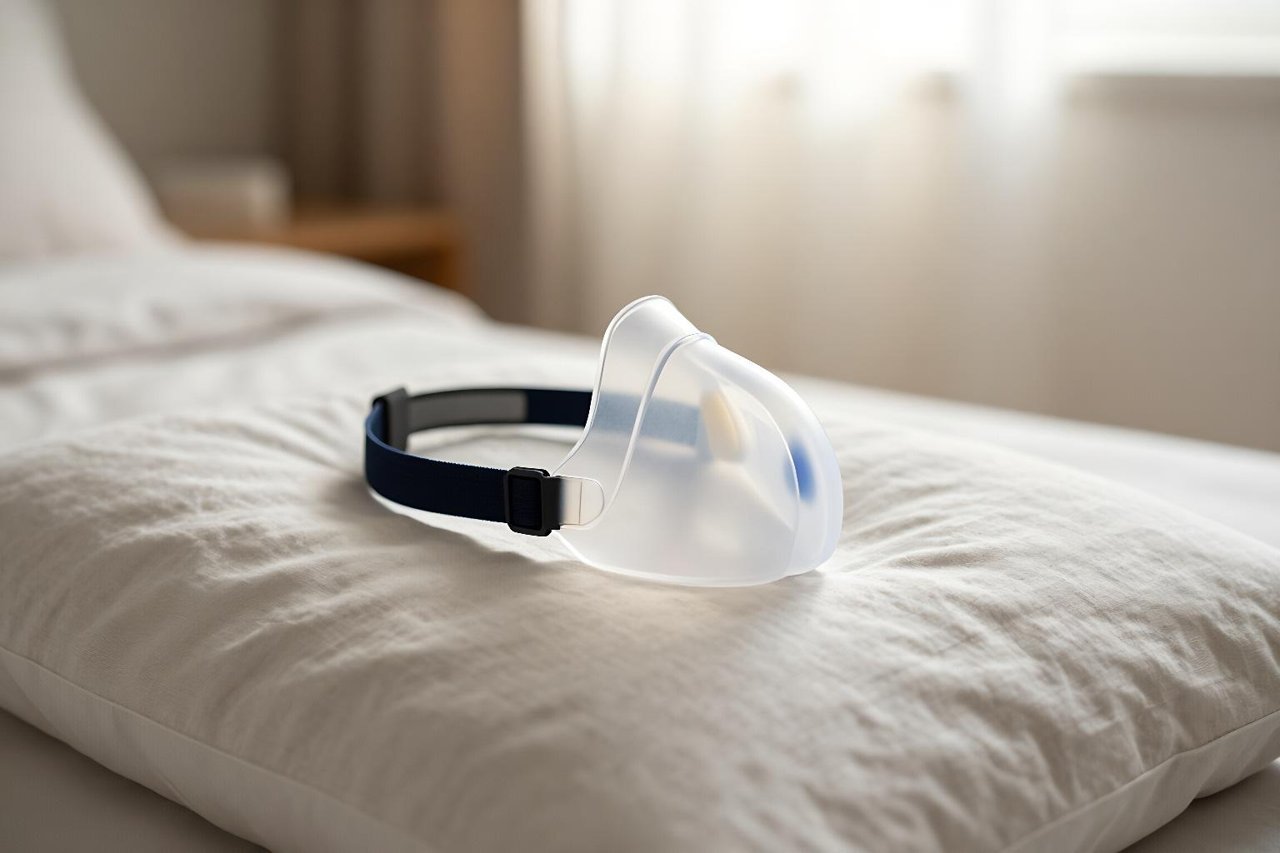
Continuous positive airway pressure, or CPAP, remains the most effective treatment for moderate to severe obstructive sleep apnea. It works by delivering a steady stream of pressurized air through a mask, keeping your throat from collapsing during the night. What many people don’t realize is that today’s machines are much less clunky than they were a decade ago. Heated humidifiers prevent that dry mouth feeling, and auto-adjusting pressure responds to your breathing patterns instead of blasting one fixed number all night.

The real challenge is adherence. Research suggests that most people need about four hours of nightly use to see significant improvements in daytime sleepiness and blood pressure. If the mask isn’t comfortable, ask to try different styles. Nasal pillows are a good starting point for mouth breathers who just need the air pressure. A full-face mask may be a better fit if your nose clogs at night. Talk to your equipment supplier about a mask fitting, since this is the single biggest factor in sticking with CPAP.
Lifestyle Changes That Lower Your AHI
For some people, sleep apnea is largely a lifestyle-driven condition. Adjusting a few daily habits can bring your AHI down enough to change the severity, and in some mild cases, resolve it entirely.
Weight and obesity
Every extra pound around your neck narrows the airway when you lie down. A 10% reduction in body weight can lead to a 20% to 30% drop in AHI. For those with obesity, more significant losses can be transformative. Structured programs, GLP-1 medications, and bariatric surgery have helped many people stop using CPAP altogether. If this is part of your situation, exploring realistic and effective obesity treatment options is a good place to start.
Sleep position
Supine sleeping is a common trigger for airway collapse. If your apnea is positional, meaning it mostly happens on your back, side-sleeping trained devices may reduce your events without requiring a machine. These devices range from simple wedges to smart band sensors that vibrate when you roll onto your back. It’s not a cure for severe apnea, but for mild cases, it can be enough.
Alcohol, smoking, and nasal congestion
Alcohol is a muscle relaxant that hits the throat especially hard. Having a drink within two hours of bedtime can double the frequency of apneas in some people. Smoking causes chronic inflammation and swelling in the upper airway. Even a minor deviated septum or persistent allergy congestion can make CPAP less effective. Addressing these contributors makes all other treatments work better.
Oral Appliances: A Middle Path for Mild to Moderate Apnea
A mandibular advancement device looks a bit like a sports mouthguard, but its job is to hold your jaw slightly forward. This pulls the base of your tongue out of the throat and keeps more space open for air. These custom-made devices are typically recommended when you have mild to moderate apnea, or when you can’t tolerate CPAP.
Getting one isn’t like buying a night guard at the pharmacy. You need a dentist trained in dental sleep medicine who will take impressions and measure your bite. A properly fitted device can take a few visits to adjust. Common side effects in the first weeks include excess saliva, dry lips, and joint tenderness. Most of that fades, though dental follow-up is essential to protect your bite from shifting over the long term.
Surgery and Nerve Stimulation: When Standard Options Fall Short
If CPAP, oral appliances, and lifestyle changes aren’t enough, surgery can be considered. Not everyone is a candidate, and the approach depends on where the obstruction sits. Here are the most common procedures:
- Uvulopalatopharyngoplasty (UPPP): Removes excess tissue in the throat, such as the uvula and part of the soft palate, to widen the airway.
- Hypoglossal nerve stimulation: An implantable device, often called Inspire, senses your breathing and sends a gentle pulse to move the tongue forward during sleep.
- Maxillomandibular advancement: A more involved operation that moves the upper and lower jaw forward to expand the space behind the tongue.
- Nasal surgery: Corrects structural issues like a severely deviated septum that make breathing harder at night.
Inspire has received a lot of attention because it treats the root cause in a targeted way. It’s placed under the skin and can be turned on remotely. In clinical trials, it reduced AHI by roughly 50% in many participants. But it requires surgery, has a recovery period, and is not right for everyone. A sleep surgeon will need to determine the pattern of your airway collapse before recommending it.
Sleep Apnea Treatment and Your Heart: The Connection You Can’t Ignore
Untreated sleep apnea doesn’t just ruin your sleep. Every time you stop breathing, your oxygen drops, your blood pressure spikes, and your body releases stress hormones. Over years, this takes a toll on the heart. Sleep apnea is strongly linked to high blood pressure, heart failure, and atrial fibrillation.
If you already have heart failure, treating sleep apnea becomes part of managing the bigger picture. Studies have shown that CPAP use can improve heart failure symptoms and reduce the risk of hospital readmission in people with both conditions. A comprehensive heart failure treatment plan should include a sleep evaluation when apnea is suspected.
For people with atrial fibrillation, the story is even more direct. Apnea can trigger episodes of afib, and it’s one of the reasons rhythm control sometimes fails. If your afib is being managed but you still wake up unrefreshed, it’s worth getting tested. A look at atrial fibrillation treatment options will show you where sleep apnea fits into the overall approach.
When Insomnia and Sleep Apnea Overlap
Sleep apnea can look like insomnia. You might wake frequently during the night and struggle to fall back asleep, or you might lie awake worrying because you’re afraid of snoring. Some people have both conditions, which is called comorbid insomnia and sleep apnea. It’s easy for one to get missed while treating the other.
If you’ve tried every sleep hygiene trick and still don’t feel rested, don’t assume it’s just insomnia. An overnight test can tell you whether your airway is collapsing during sleep. Conversely, if you’re using CPAP well but still can’t fall asleep, addressing the insomnia side of things can make treatment more tolerable. Real insomnia treatment that works focuses on the thoughts and behaviours that keep you awake, and that matters just as much when CPAP is part of the plan.
Finding the Plan You’ll Actually Stick With
No sleep apnea treatment works if you don’t use it. The most advanced machine in the world is useless sitting in your closet. That’s why the best approach is a collaborative one. Start with a sleep study, talk openly about your habits and fears, and make one change at a time. If CPAP feels suffocating, ask about a pressure ramp, a different mask, or a nasal pillow. If that still doesn’t work, ask about an oral appliance or an Inspire evaluation.
It also helps to measure the wins that go beyond the machine. Straighter sleep, no more morning headaches, less heartburn, better blood pressure readings, a calmer mood. These are real signals that your treatment is working, even if the AHI on the report hasn’t hit zero. Give it time, keep notes, and don’t hesitate to go back to your sleep specialist when something isn’t clicking.


