
Table of Contents
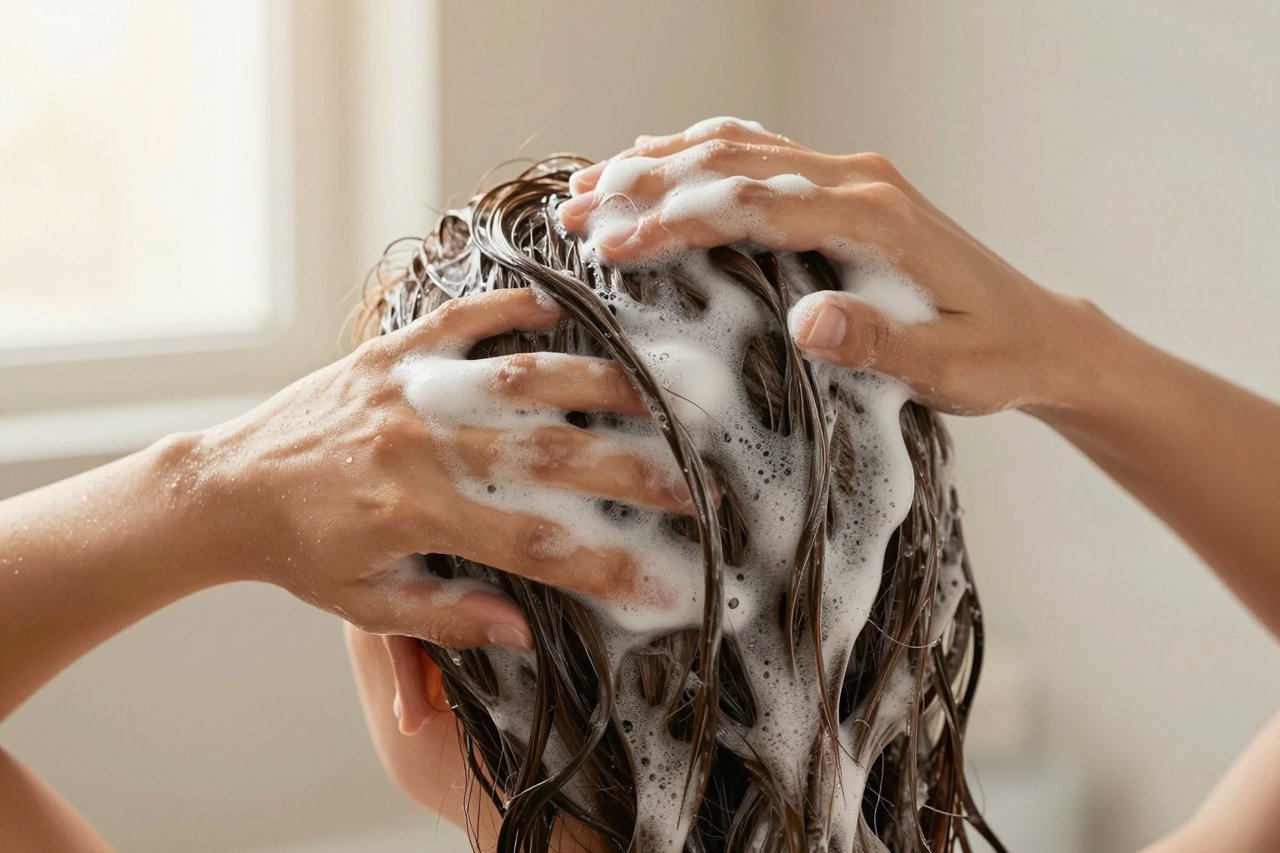
If you’ve ever lathered up in the shower and felt that satisfying, squeaky-clean squeak, you were likely using a shampoo packed with sulfates. Those are the same class of ingredients found in laundry detergent and dish soap, and while they’re brilliant at cutting grease, they’re not exactly discriminating. Your scalp produces natural oils for a reason. The trick is that a sulfate-free shampoo still cleans your hair thoroughly, but it does so without stripping everything down to the roots. That distinction matters more than most people realize. For a deeper look at why so many hair-care fans are making the change, our guide on whether sulfate-free shampoos and conditioners are worth the switch lays out the evidence.
What Are Sulfates, Anyway?
Sulfates are surfactants, which means they lower the surface tension between oil and water. In a shampoo bottle, that translates to a rich lather that lifts dirt and sebum away from your scalp. Sodium lauryl sulfate (SLS) and sodium laureth sulfate (SLES) are the two you’ll see most often. They’re cheap, effective, and have been used in personal care products for decades.
But aggressive surfactants can also penetrate the hair shaft and lift away the lipids that keep the cuticle flat and smooth. The result is dry, brittle hair and a scalp that constantly feels tight. Sulfate-free formulas swap out those harsh cleansers for gentler alternatives like sodium cocoyl isethionate, decyl glucoside, or cocamidopropyl betaine. These molecules are larger and don’t absorb into the hair cuticle, so they clean the surface without robbing your hair of its natural moisture.
The Real Reasons People Switch
Your colour will last longer
Traditional sulfates are aggressive enough to break down the bonds in semi-permanent hair colour. A sulfate-free cleanser is one of the easiest ways to stretch the time between salon visits. If you’ve just invested in a gloss or balayage, going sulfate-free is a low-effort way to protect that investment. You’ll wash more gently, and your colour will fade less dramatically with each shower.

Less frizz and more moisture
Dry hair is often the result of over-washing with harsh detergents. When the cuticle gets stripped of its protective sebum, it lifts and lets humidity in, which creates frizz. For people with naturally dry strands, sulfate-free formulas can be transformative. Many of the best shampoos for dry hair are sulfate-free for exactly this reason, and they rely on oils and humectants to keep the strand soft from root to tip.
Your scalp might stop itching
Sulfates can irritate sensitive scalps, especially if you have eczema, psoriasis, or a tendency toward contact dermatitis. The foam doesn’t actually improve the cleansing; it’s mostly there for the sensory experience. When I switched to a gentle cleanser myself, my dry, itchy patches cleared up in about three weeks. If that sounds like the story of your scalp, you might find relief in some of the top shampoos for itchy scalps, many of which skip sulfates and use soothing actives like zinc pyrithione and tea tree oil instead.
Curly hair needs the help
Curls are naturally drier because the oils have a harder time travelling down the twisted hair shaft. Harsh sulfates can make a curly routine feel like a losing battle. Most curly-girl methods recommend washing with a sulfate-free cleanser or co-washing instead. If you’re unsure how to structure that transition, our step-by-step curly hair routine walks through how to adapt your washing technique without sacrificing definition.
When Sulfates Actually Make Sense
Before you throw away every bottle under your sink, it’s worth remembering that sulfates aren’t inherently evil. They do a phenomenal job of removing heavy product build-up, hard-water minerals, and excess oil. If you use a lot of styling products, or if you have very fine hair that becomes weighed down easily, the occasional clarifying shampoo with sulfates can be exactly what your hair needs. The trick is using it sparingly – once every two weeks or so – and following up with a deeply moisturising conditioner. You can think of it as a reset button for your strands.
The Transition Phase: Don’t Panic
When you first switch to a sulfate-free shampoo, your hair might feel different. Less foam can make you feel like you’re not getting your money’s worth, and your scalp might even feel a bit oilier for the first week or two. That’s because your scalp has spent years overcompensating for being stripped dry. It’s been producing extra sebum to protect itself. Once it realises the shampoo isn’t assaulting it, it tends to settle down. Give it three to six weeks before you judge the results.
During that time, a few small adjustments help:
- Massage the shampoo into your scalp for a full 60–90 seconds instead of rushing through it.
- Rinse thoroughly with lukewarm water rather than scorching hot.
- Consider double-cleansing if you use heavy oils or leave-in products.
- Use your fingertips to lift away environmental grime instead of relying on the foam to do the work.
How to Choose a Sulfate-Free Shampoo That Actually Works
Not all sulfate-free formulations are created equal. Some use alternative cleansers that still strip the hair, while others are so gentle they’re essentially glorified conditioner. You want one that hits the sweet spot. Look for an ingredient list that features aloe vera, glycerin, jojoba oil, or panthenol alongside a mild surfactant like decyl glucoside. Avoid anything that lists sodium chloride high up, since that’s a cheap thickener that can leave a residue on the hair.
If you’re not sure where to start, our guide to the best shampoo for every hair type breaks down top formulations for texture, porosity, and specific concerns. And if you’re watching your budget, a travel-size bottle is a smart way to test-drive a formula before committing to the full litre. Give it two weeks. Your hair will tell you whether the switch to sulfate-free is right for you.


