
Table of Contents
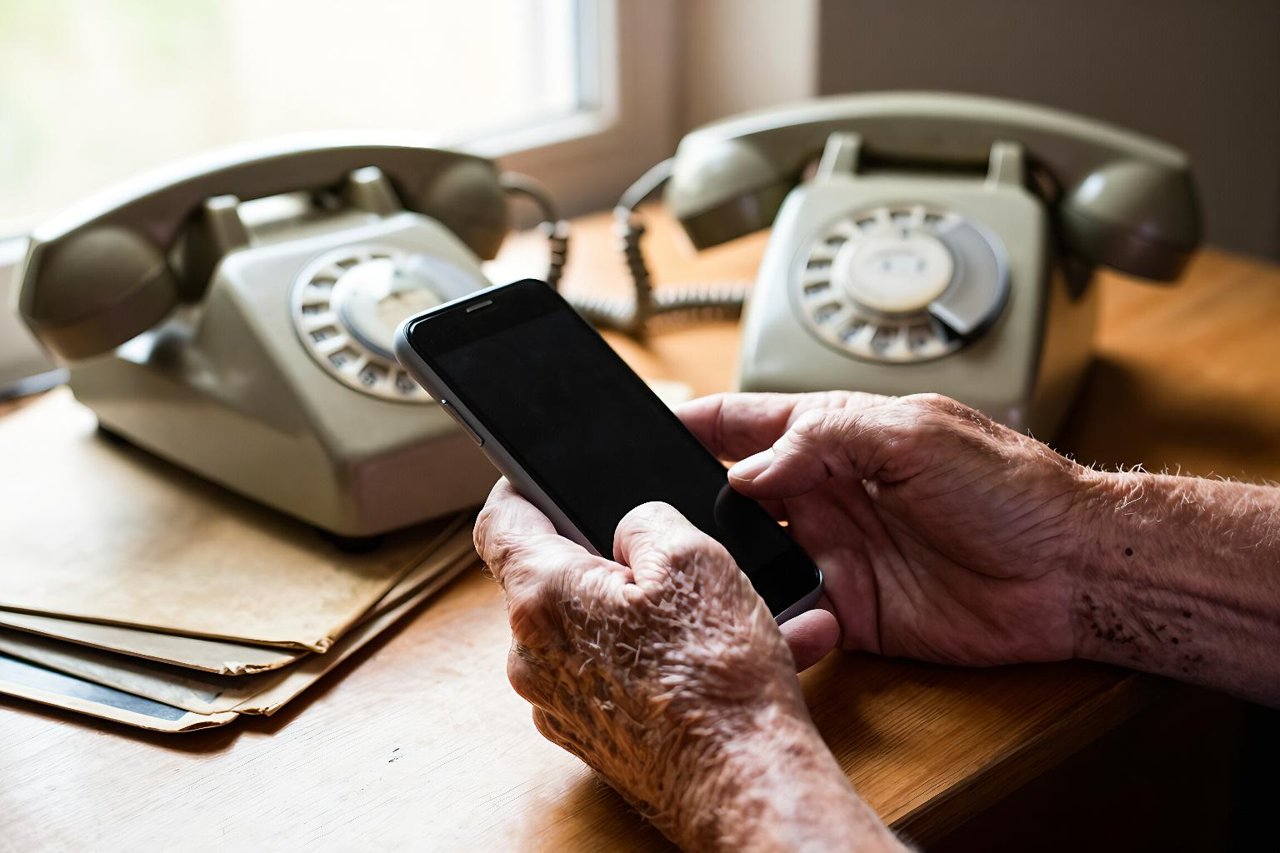
In 1915, a three-minute telephone call from New York to San Francisco cost $20.70. Adjusted for inflation, that is roughly $650 today, for a conversation barely long enough to confirm you had arrived safely.
Price collapses like that are one of the strangest parts of modern life. Nobody throws a party when a technology becomes free. It just quietly seeps into the background until the old price sounds like a typo. Here are seven things that used to be genuine luxury purchases, and what happened to them.
1. Long-Distance Phone Calls
For most of the twentieth century, distance was billed by the minute. A transatlantic call in the 1930s had to be booked hours in advance through an operator, and the charge was measured in pounds per three minutes. In the 1970s, calling relatives overseas was still a minor financial event, often scheduled for Sunday evenings when the rates dropped.
The 1980s brought cheap per-minute international calling cards. Then came Skype in 2003, and the whole pricing model evaporated. A call from London to Seoul today costs nothing beyond your broadband bill. The marginal cost of one more minute of voice data is so close to zero that carriers stopped charging for it entirely.

2. Satellite Navigation
Early in-car navigation was a dealer-installed luxury. Aftermarket units in the late 1990s routinely sold for $1,000 and up, and rental companies charged $10 to $15 a day for a clunky box bolted to the dashboard. The maps were often two years out of date and updates arrived on a CD.
Today the GPS chip inside a phone costs a couple of dollars, and the maps are refreshed constantly by the people driving on them. What that replaced, in a single generation:
- Printed road atlases that lived in the passenger door pocket
- Hand-written directions scribbled on the back of an envelope
- Route-planning services that mailed you a printed itinerary
- Stopping at a petrol station to ask for directions
3. Encyclopedias and Reference Sets
A 1990 print edition of Encyclopaedia Britannica cost about $1,400. That was roughly a month’s take-home pay for a middle-income family, and salesmen toured suburbs convincing parents that a 32-volume set was an investment in their children’s future. Plenty of households bought them on instalment plans and paid interest on top.
Wikipedia launched in 2001 and now carries more than 60 million articles across 300-plus languages. Britannica itself stopped printing in 2012 and moved online. The salesmen are gone. The shelf space is gone. The knowledge, for better and worse, is free.
4. Taking Photographs
Film made every picture a small purchase. A roll of 36 exposures plus developing and printing cost around $15 to $20 through the 1990s, and you had no idea what you had captured until the envelope came back a week later. Serious hobbyists budgeted hundreds of dollars a year on film alone.
A modern phone camera shoots a thousand frames for nothing, and the cost per photo is a fraction of a cent of electricity and storage. The habit changed with the price. People photograph menus and parking spaces now, because there is no longer any reason not to.
5. A Music Collection
Compact discs in the late 1990s typically retailed at $15.99 to $17.98 for twelve tracks. A teenager with a hundred CDs had a few thousand dollars sitting on a shelf, and replacing a scratched disc meant buying it again at full price.
Streaming inverted the maths. A monthly subscription of about $11 gives access to an effectively unlimited catalogue, so the cost of listening to one album once is well under a cent. Music did not become less valuable. The distribution did.
6. Digital Storage and Office Software
In 1990, a gigabyte of hard drive space cost roughly $9,000. By 2000 it was about $10, and today it is nearer $0.015. That is a price drop of more than 99.99 percent in a single working lifetime, which is why nobody bothers deleting photos any more.
Software followed a similar path. A boxed copy of a professional office suite in the late 1990s ran $500 or more. Free browser-based word processors, spreadsheets and cloud drives now cover the same ground for most people, funded by advertising or bundled storage rather than licence fees.
7. Aluminium, Which Was Once Jewellery
In the early 1850s, aluminium sold for around $1,200 a kilogram, which made it more precious than gold. It was a scientific curiosity displayed alongside crown jewels, and Napoleon III reportedly reserved aluminium cutlery for his most honoured dinner guests while everyone else ate with gold.
The Hall–Héroult process, patented in 1886, brought the price down to roughly $1 a kilogram within a couple of decades. Today the metal wraps leftovers, forms drink cans and frames bicycles, and trades for a few dollars a kilo. It went from a party trick to something you crush and put in a recycling bin without thinking.
What Is Quietly Getting Cheaper Right Now
The same pattern is running through other categories today, and it is easy to miss while you are inside it. Solar panels have fallen roughly 90 percent in cost since 2010. Sequencing a human genome cost about $100 million in 2001 and can now be done for a few hundred dollars. Lithium battery packs have dropped by around 85 percent in a decade, which is the main reason electric cars exist as a product at all.
Each one looks expensive right up until it does not. The tell is usually the same: something stops being a purchase you plan for and becomes a utility you forget about, folded into a device you already own or a subscription you already pay. A phone call across an ocean, a map of a city you have never visited, a shelf of encyclopedias with no shelf. The price did not just fall. It disappeared.


