
Table of Contents
Half the couples planning a beach honeymoon end up comparing the same twelve hotel photos: turquoise lagoon, white sand, a hammock nobody will actually use. The things that matter rarely appear in those photos — the length of the travel day, what there is to do when it rains for two days straight, whether dinner for two costs $70 or $700.
So the list below is sorted by personality rather than by postcard quality. Some of these places reward couples who want to disappear for ten days. Others work better if you’d go stir-crazy by night three without a scooter and a night market.
Start With Two Questions, Not a Pinterest Board
Before you fall for an overwater villa, answer these honestly.
How much travel day can you survive?
The Maldives is roughly 20 hours door-to-door from the US East Coast once you count the seaplane, and Bora Bora isn’t much shorter. The Caribbean can be a four-hour flight from Miami. Greece is a single connection from most of Europe. If you have eight nights total, burning two of them in transit is a bad trade — you’ll spend the first three days of your honeymoon jet-lagged and squinting at sunsets through a fog.

Do you want to do things, or do you want to do nothing?
Some couples want a house reef, a kayak, and an empty schedule. Others need a village to wander into after dark. If you’re not sure which camp you’re in, this guide to dream destinations based on how you travel is a quicker way to work out your own style than scrolling resort hashtags for a week.
The Maldives: For Couples Who Genuinely Want to Do Nothing
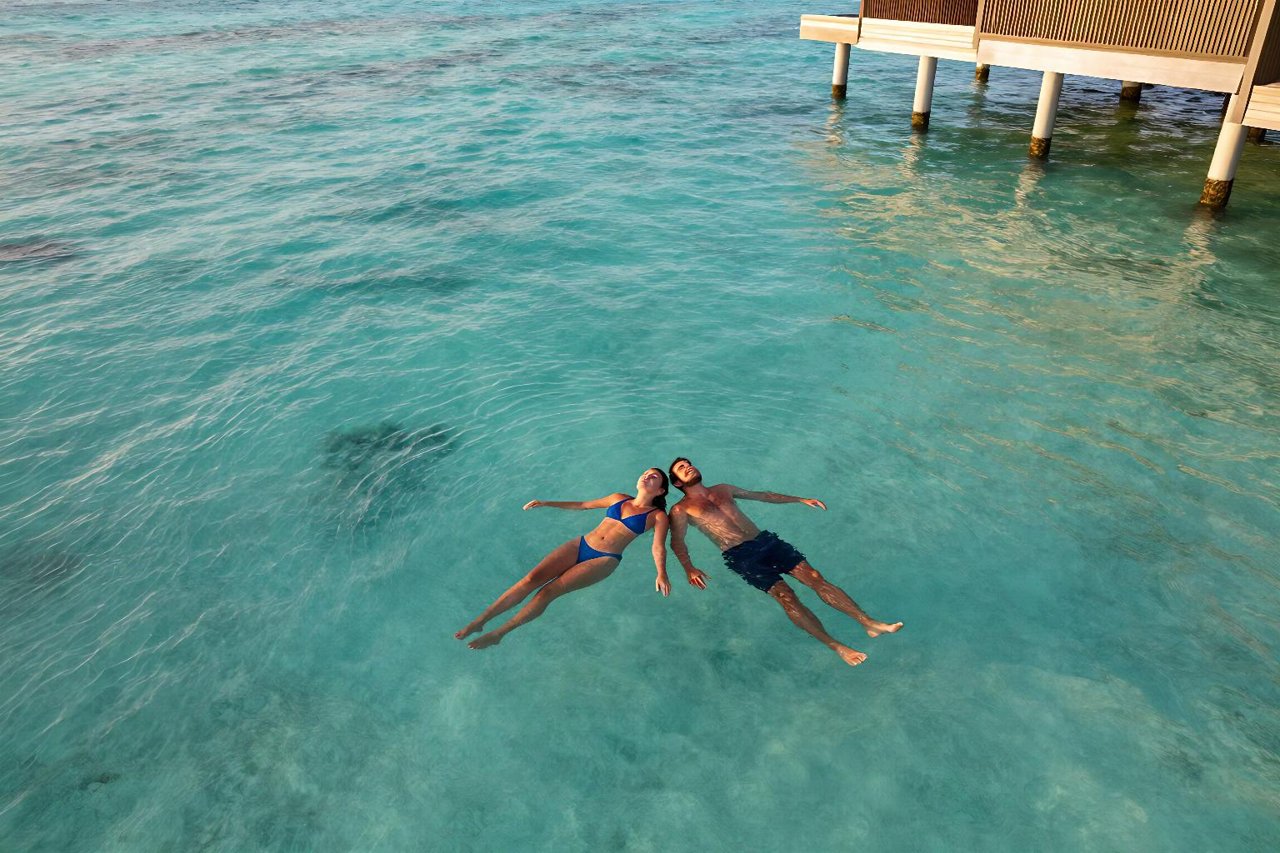
Around 170 resorts are scattered across 26 atolls, and each one owns its own island. That isolation is the whole point — and the whole catch. There’s no town to stroll into, no restaurant down the road. You eat where you sleep, which is why the all-inclusive rate is usually worth the upgrade rather than an upsell.
Book a villa with a house reef if you snorkel. Seaplane transfers run $300–600 per person round trip on top of the room rate, and they only fly in daylight. Dry season is December to April; May and November are the value months, with more rain but rates that can drop 40%.
Bora Bora and French Polynesia: The Bucket-List Version
Mount Otemanu rising out of that lagoon is one of the few views on earth that lives up to the photography. The trade-off is cost and distance. A week in an overwater bungalow here often runs double a comparable Maldives trip, largely because everything is shipped in.
If the budget is tight but the dream is French Polynesia, split the trip: three nights on Moorea for hiking and roadside food trucks, then four on Bora Bora. An Air Tahiti inter-island pass keeps the flights reasonable, and Moorea is honestly the friendlier island of the two.
Seychelles: Granite Boulders and Beaches You Share With Nobody
Seychelles does something the Maldives can’t: beaches backed by jungle and 600-million-year-old granite, reachable by rented car rather than seaplane. Anse Source d’Argent on La Digue is the famous one, but Anse Lazio on Praslin and the walk to Anse Major on Mahé are just as good and far quieter.
Base yourselves on two islands rather than three. Ferry hops are cheap and scenic, but packing and unpacking every other day gets old fast on a honeymoon.
The Greek Islands: Sand Plus a Village to Walk Back To
Greece is the answer for couples who’d rather have a taverna dinner at 10pm than a resort buffet. Milos has Sarakiniko’s white rock moonscape and 70-odd beaches. Folegandros and Naxos stay quiet even in August. Santorini is beautiful but its caldera sunsets come with cruise crowds — go in late September and stay in Imerovigli instead of Oia.
June and September are the sweet spot: warm water, half the crowds, and accommodation that costs noticeably less than peak July.
The Caribbean: Short Flights, No Jet Lag
If you have a week and want to spend most of it on the sand rather than in a plane, the Caribbean wins on logistics alone. Anguilla for empty beaches and excellent restaurants. St Lucia for the Pitons and a bit of drama. Turks and Caicos for Grace Bay’s absurdly calm water. Grenada if you want rainforest and spice farms between beach days.
Hurricane season runs June to November, with September the riskiest month. There are enough islands that picking well matters — this roundup of the Caribbean islands worth the flight narrows it down by vibe rather than by brochure.
Thailand and the Philippines: Beach Honeymoons Under $200 a Night
Koh Yao Noi, a short boat ride from Phuket, has limestone karsts, near-empty roads and boutique hotels at a third of Maldives prices. Palawan’s El Nido and Siargao in the Philippines are rougher around the edges but deliver that same water for less again.
Expect a longer journey — usually two flights plus a boat — and be realistic about rainy season, which peaks June to October in much of Thailand. If affordability is the deciding factor, these romantic escapes that won’t wreck your budget go well beyond Southeast Asia.
Riviera Maya: Reef, Ruins and Cenotes in One Week
Mexico’s Caribbean coast is the easiest place to combine a beach honeymoon with actual activities. Snorkel the Mesoamerican Reef in the morning, swim a cenote in the afternoon, eat tacos standing up for $4. Tulum is gorgeous but pricey and packed; Isla Holbox, two hours north, is sandy streets and flamingos. Whale sharks pass through July to September.
It’s also one of those rare regions where five-star hotels cost what three-star hotels cost in Europe, which is a pattern explored in these places where luxury comes cheap.
Fiji and the Private-Island Option
Fiji suits couples who want a single resort on a single island and no decisions for a week. The Mamanucas are a short boat ride from Nadi; the Yasawas are wilder and further out. Rates vary wildly between a $300-a-night bure and a $3,000-a-night exclusive island, and the difference is mostly space, staff ratios and privacy. It’s worth knowing what your money actually buys at a private island resort before you assume the top price is the top experience.
What to Ask Before You Put Down a Deposit
The booking details separate a great honeymoon from an expensive one. Run through this list before you pay:
- Ask for the honeymoon rate. Many resorts throw in a candlelit dinner, a couples massage, or a free night for newlyweds — but only if you mention it at booking and bring a copy of your marriage certificate or wedding date confirmation.
- Confirm what the transfer costs. Seaplanes, speedboats and private cars are frequently excluded from the advertised rate and can add $800 to a week.
- Check the cancellation terms. Honeymoons get booked nine months out. Free cancellation up to 30 days is worth paying slightly more for.
- Read the fine print on all-inclusive. Some packages exclude premium alcohol, diving and spa treatments.
- Check passport validity. Most countries want six months beyond your return date, and some require a visa you haven’t thought about.
- Look at the rainfall chart, not the average temperature. Averages hide the fact that one week in October might be perfect and the next a washout.
Pick the destination that matches the honeymoon you’ll actually enjoy — long naps or long drives, resorts or villages — and the rest tends to sort itself out.


