
Table of Contents
A dental hygienist in the Bay Area can clear $120,000 a year working four days a week. An air traffic controller in Dallas often out-earns a mid-level software engineer. Neither job appears on the careers poster taped to a high school counsellor’s wall, which is part of the reason the pay stays so good.
Federal wage data keeps producing the same surprise: plenty of roles that ask for a two-year degree, an apprenticeship, or a licensing exam out-pay jobs that demand a master’s. Here are seven of the clearest examples, with real numbers and an honest look at what it takes to get hired.
1. Elevator Installers and Repairers
Median pay sits at $102,420 a year, according to the Bureau of Labor Statistics, and the top 10% of workers pass $145,000. In New York and Chicago, where union density is high and the building stock is old, experienced technicians regularly see figures well north of that.
The work itself is part electrician, part mechanic, part detective. You install and service the machinery inside a shaft that could be a century old in one building and brand new in the next. When an elevator traps someone at 11pm, somebody has to show up, and that call-out pays time and a half.

How people get in
Almost everyone enters through the International Union of Elevator Constructors apprenticeship. It runs four to five years, you earn while you learn, and you finish with zero tuition debt. The catch: locals take applicants in small batches, and in big cities the wait can stretch past a year.
2. Air Traffic Controllers
Median annual wage: $137,480. Controllers guide aircraft from a radar room or a glass tower, and the job carries a level of responsibility that explains the salary. A bad call can kill hundreds of people.
The FAA hires off the street through periodic open bids, no aviation degree required. You need to be under 31 when you’re hired, pass a medical and security check, and survive the training academy in Oklahoma City. Mandatory retirement comes at 56.
Chronic understaffing has pushed overtime hard in recent years. Controllers at some of the busiest facilities reported six-figure earnings before overtime in 2023, with total compensation climbing past $180,000 at the top end.
3. Power Line Installers and Repairers
Linemen earn a median of $85,420, and the ceiling is much higher. Storm work is where the real money lives. When a hurricane flattens the grid in Florida or an ice storm takes out power across New England, crews arrive from a dozen states and work 16-hour days for weeks. Double time, per diems, and travel pay stack up fast. Six-figure years are normal for crews who chase the weather.
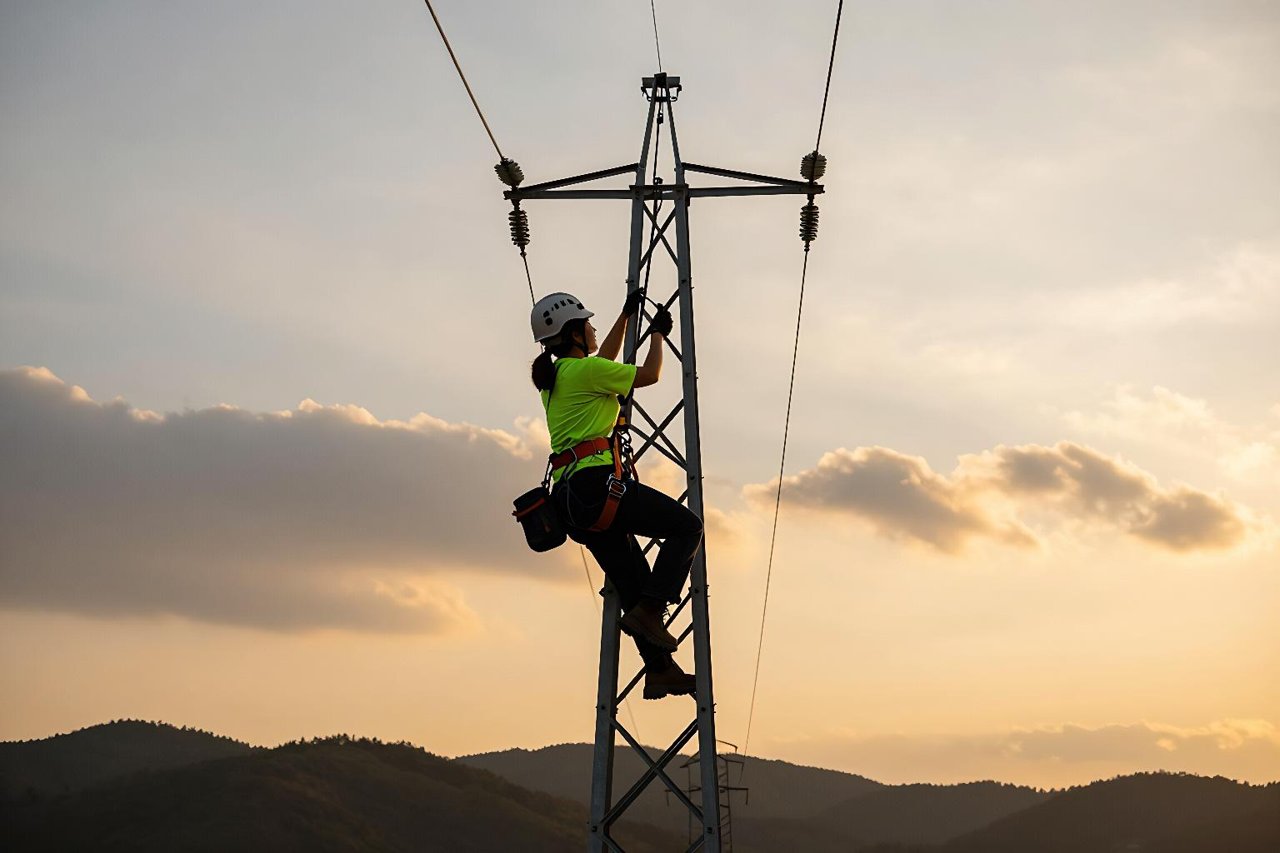
It is also among the most dangerous jobs in the country. You climb poles and towers, work near live conductors, and spend long stretches away from home. Apprenticeships through IBEW or NECA run about 7,000 hours before you top out as a journeyman.
4. Nuclear Power Reactor Operators
Median pay of roughly $104,000, and that is before shift differentials. Reactor operators sit in the control room of a nuclear plant, monitoring dozens of systems and responding instantly when something drifts out of range.
No bachelor’s degree is required, but the path is demanding. Most operators come through the Navy’s nuclear program or a utility’s internal training pipeline, then spend years qualifying on simulators. The Nuclear Regulatory Commission issues the licence, and losing it ends the career.
Plants run around the clock, so expect 12-hour rotating shifts: days, then nights, then a stretch off. The schedule is brutal on sleep, and the pay reflects it.
5. Commercial Divers
Inshore divers doing inspection and repair work earn modest money, often $55,000 to $70,000. Offshore saturation divers in the Gulf of Mexico are a different story entirely. Those roles can pay $150,000 to $250,000 or more for a working year.
Saturation diving means living in a pressurised habitat for weeks at a time while your body stays at depth pressure, then spending days decompressing in a chamber. The work supports oil platforms, pipelines, and salvage operations. Commercial dive school costs $20,000 to $35,000 and takes about six months, followed by certification through the ADCI.
6. Dental Hygienists
This one is the quiet overachiever of the list. Median pay is $87,530, but that number hides huge regional variation. Hygienists in California, Washington, and Alaska routinely earn $110,000 to $130,000, and contract hygienists filling shortages in rural areas can bill $70 an hour.
The entry requirement is an associate degree, typically two years. No medical school, no residency, no six-figure student loan.
Why the pay keeps climbing
Hygienists generate revenue directly. Cleanings and periodontal maintenance are billed procedures, and a practice cannot function without someone performing them. With retirements outpacing new graduates in many states, clinics compete for hygienists the way hospitals compete for nurses. Several states now allow expanded duties such as administering local anaesthetic, which bumps pay further.
7. Radiation Therapists
Median wage: $98,300. Radiation therapists operate the linear accelerators that deliver targeted radiation to cancer patients, positioning people precisely and running the machines that do the treatment. It is technical, calm, and deeply human work, and it pays better than most bachelor’s-level jobs in healthcare.
You need an associate or bachelor’s degree plus certification through the ARRT. Demand grows steadily as the population ages and cancer treatment volumes rise. Hospitals run these departments six or seven days a week, so evening and weekend shifts carry premiums.
The pattern behind these paycheques
Look at the seven side by side and the same forces show up again and again:
- Hard to fill. Licensing exams, apprenticeships, and physical requirements shrink the applicant pool.
- Safety-critical. Mistakes injure or kill people, so employers pay for judgement and nerve.
- Resistant to offshoring. You cannot service an elevator in Ohio from a call centre in Manila.
- Unpleasant conditions. Heights, radiation, pressurised chambers, 3am call-outs, weeks away from family.
- Union coverage. Elevator constructors, linemen, and transit roles often sit under collective agreements that lift wages faster than non-union equivalents.
None of these jobs are secret in the sense that nobody knows they exist. They are overlooked because they rarely appear on university brochures, and because the pay arrives through overtime, shift premiums, and travel allowances rather than a tidy starting salary figure.
How to get started
The fastest route into most of this list is an apprenticeship, not a degree. The IUEC and IBEW both run paid programs, and applications open on specific dates that you have to watch for. Search your state’s labour department site for apprenticeship openings, and check the federal apprenticeship database, which lists thousands of registered programs by trade and region.
For licensed roles, go straight to the regulator: the FAA for air traffic, the NRC for reactor operators, the ADCI for commercial divers, the ARRT for radiation therapists. Each publishes the exact requirements, and knowing them before you commit saves years.
Be willing to move. The biggest premiums sit in Alaska, the Gulf Coast, rural healthcare deserts, and cities with ageing infrastructure. A hygienist in a small Montana town can earn more than one in a comfortable suburb, simply because the clinic cannot find anyone else. Check the shift structure before you accept an offer, too. A $95,000 base with rotating nights and built-in overtime often beats a $110,000 salary on straight days once you run the numbers.
Pick one, find the licensing body, and look up the next application window. That single afternoon of research is usually the only thing standing between a curious reader and a six-figure paycheque.


