
Table of Contents
Roughly 795,000 people in the United States have a stroke every year, and about 610,000 of those are first strokes. That last number matters, because it means most strokes are not happening to people who already had one. They are happening to people who felt fine on Tuesday.
The encouraging flip side is that stroke is one of the most preventable serious illnesses there is. International studies suggest that ten modifiable risk factors account for around 90% of strokes worldwide. You do not need to fix all ten. You need to know which ones are doing the most damage, and which ones you can realistically do something about this year.
Here are the seven risk factors for stroke that clinicians worry about most, roughly in order of impact.
1. High Blood Pressure
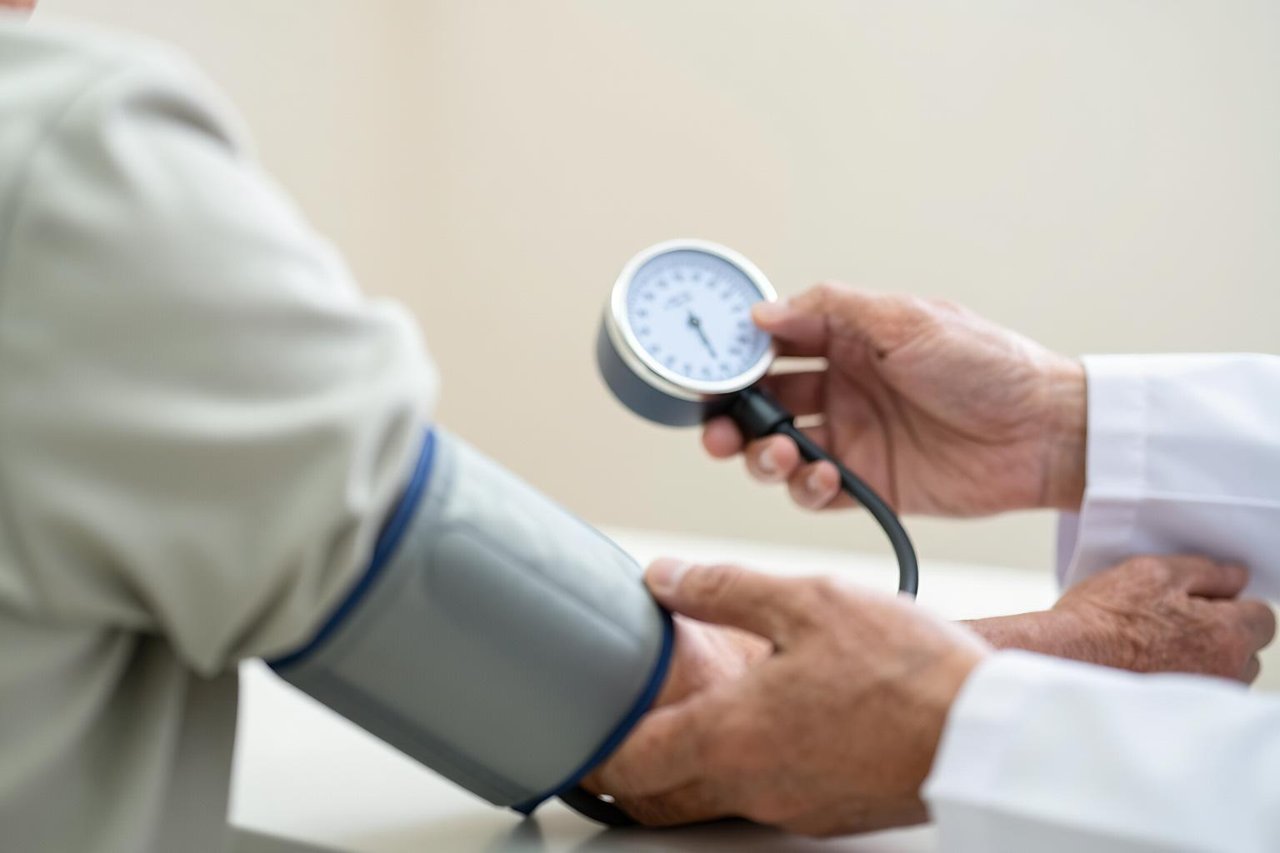
If you only track one number, make it your blood pressure. Hypertension is the single largest contributor to stroke risk, and it earns that spot by being quiet. There are no symptoms at 148/94. You feel completely normal while your arteries are being remodeled into stiff, narrow tubes that are far more likely to block or burst.

The threshold most guidelines now use is 130/80 mmHg, which is lower than a lot of people remember. For every 10 mmHg your systolic reading creeps up, stroke risk rises by roughly a third. Getting a stubbornly high reading down to 120 is not a cosmetic improvement; it is one of the most effective stroke interventions available, and much of that benefit shows up within a couple of years.
Uncontrolled pressure also does a number on your kidneys, your retinas, and your heart in parallel, which is why the damage often arrives in clusters. There is a useful breakdown of how fast untreated high blood pressure complications hit if you want to understand the timeline.
2. Smoking
Smokers have roughly double the stroke risk of non-smokers, and the mechanism is not mysterious. Carbon monoxide elbows oxygen out of your blood, nicotine tightens vessel walls, and the whole mix accelerates plaque buildup in the carotid arteries feeding your brain.
The good news is unusually fast. Stroke risk starts falling within weeks of quitting, drops substantially in the first year, and after about five years sits close to that of someone who never smoked. Nothing else on this list reverses that quickly.
3. Atrial Fibrillation and Other Heart Conditions
Atrial fibrillation, an irregular heartbeat affecting millions of adults, raises stroke risk by around five times. In a fibrillating atrium, blood pools instead of moving cleanly, and a clot can form, break loose, and travel straight to the brain. These are often the largest, most disabling strokes, and they can strike someone with otherwise perfect blood pressure and cholesterol.
Roughly a third of people with AFib do not know they have it. Palpitations, unexplained breathlessness on stairs, or a fluttering pulse you notice while lying on your side are worth a conversation with a doctor. Anticoagulant medication cuts that risk dramatically when it is appropriate. Other cardiac problems matter too; there is a broader look at what each common heart disease does to your body if you want the full picture.
4. Diabetes and Elevated Blood Sugar
Type 2 diabetes roughly doubles stroke risk, and the damage starts well before a formal diagnosis. Chronically high glucose stiffens and inflames the small vessels, which is why diabetes and hypertension so often show up in the same patient, amplifying each other.
If your A1C has been drifting upward for a few years, that is the moment to act. Losing 5 to 7% of body weight and walking regularly has repeatedly been shown to prevent or delay progression from prediabetes to diabetes in high-risk adults.
5. Excess Weight, Poor Diet, and Inactivity
These three travel together and mostly operate through the risk factors above, but they carry independent weight of their own. Carrying fat around the abdomen in particular is linked to inflammation and insulin resistance that damage vessels directly.
The practical target that shows up again and again in the research is 150 minutes of moderate activity per week, which is a brisk 30-minute walk five days out of seven. That is not a gym commitment. It is a habit. Diets heavy in processed salt, refined carbohydrates, and processed meat do measurable harm; the Mediterranean-style pattern consistently performs best in stroke prevention trials.
Worth flagging separately: untreated obstructive sleep apnea drives blood pressure up all night and is a genuinely underdiagnosed stroke risk factor. Loud snoring plus daytime exhaustion is a pattern worth investigating.
6. Heavy Drinking
Alcohol raises blood pressure, encourages irregular heart rhythms, and adds calories that feed the weight problem above. The risk curve is not linear. Light drinking appears fairly neutral for most people, while heavy drinking clearly is not.
Binge patterns deserve particular attention. A single heavy session can trigger an arrhythmia in an otherwise healthy person, which is part of why strokes sometimes follow a big night out in people with no other obvious red flags.
7. Age, Family History, and Ethnicity
You cannot change these, but you should know them, because they change how aggressively you handle everything else.
- Age: stroke risk roughly doubles each decade after 55.
- Family history: a stroke or heart attack in a parent or sibling before age 65 raises your own risk meaningfully.
- Ethnicity: Black, Hispanic, and South Asian adults carry higher rates of stroke, largely driven by higher rates of hypertension and diabetes at younger ages.
- Prior stroke or TIA: a transient ischemic attack is a serious warning, not a near miss. Roughly 1 in 5 people who have one will have a stroke within three months.
None of these are destiny. They simply lower the threshold at which the other six factors become urgent.
The Warning Signs Are Worth Ten Minutes of Memorisation
A stroke destroys brain tissue at roughly 1.9 million neurons per minute, so recognition speed changes outcomes more than almost any drug. The BE FAST checklist is the version to learn:
- Balance: sudden dizziness or loss of coordination
- Eyes: sudden double vision or loss of vision in one eye
- Face: one side drooping when you smile
- Arms: one arm drifting down when both are raised
- Speech: slurred or scrambled words
- Time: call emergency services immediately, and note when symptoms began
Calling an ambulance rather than driving someone to hospital yourself is not an overreaction. It gets the patient into a stroke pathway before they arrive. Many of these early signs overlap with neurological diseases whose warning signs most people miss, so sudden neurological change of any kind deserves the same urgency.
Where to Actually Start
If you are over 40 and have not had your blood pressure checked in the last year, that is the highest-value hour you can spend this month. Home monitors are inexpensive and reasonably accurate. Take two readings a minute apart, morning and evening, for a week, and bring the numbers to your doctor. A single clinic reading of 138/88 tells you far less than a week’s worth of data.
From there, the list is unglamorous but effective: stop smoking, treat the hypertension, get screened for AFib and diabetes, move for thirty minutes a day, and keep alcohol moderate. Preventing stroke is really a package deal, and much of it overlaps with other largely preventable diseases you can genuinely act on.
It is also worth knowing what the brain has to lose. Stroke is the second most common cause of dementia after Alzheimer’s, and recurrent small strokes are a leading driver of the vascular kind. If you have noticed changes in someone’s recall or word-finding alongside vascular risk factors, this overview of common causes of memory loss and what each one does to the brain is a sensible next read.
One final point that tends to get lost. The majority of strokes happen in people who would have described themselves as healthy. Feeling fine is not evidence that your blood vessels are fine. Get the numbers, then act on them.


