
[ad_1]
Trade ministers in the United Kingdom are weighing the possibility of accelerating de minimis reform efforts as domestic retailers decry the deluge of low-value Asian imports flooding the British market.
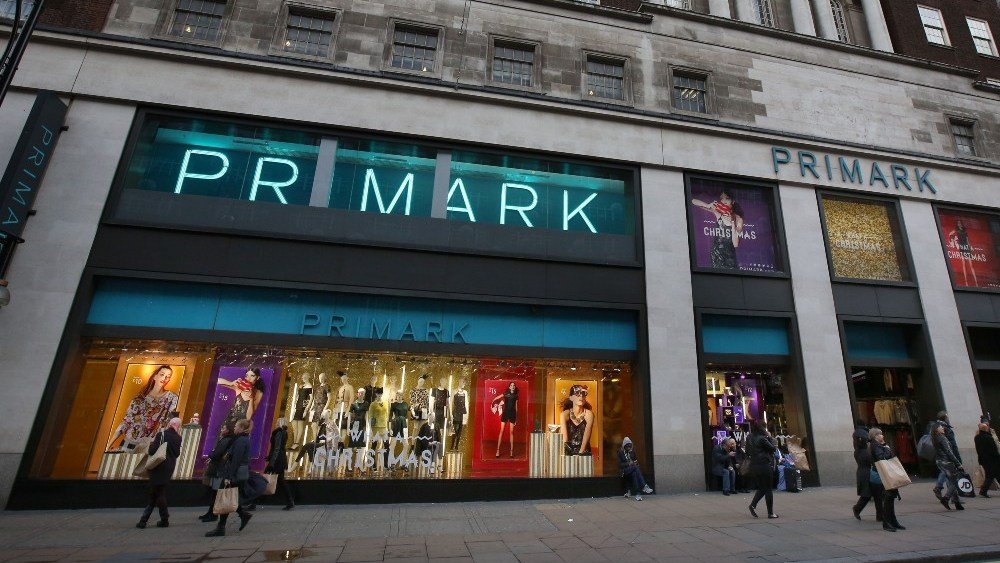
A crackdown, which would stem the flow of cheap wares from e-tailers like Shein and Temu, has been under discussion for months. In May, U.K.-based businesses like Asos, Primark, Marks & Spencer and Next wrote to outgoing Prime Minister Keir Starmer and the country’s finance minister asking that they impose a 2.60-pound ($3.49) levy on parcels worth less than 135 pounds ($181).
With a similar, temporary fee of 3 euros ($3.43) taking hold across the European Union beginning next week, U.K. lawmakers are now considering speeding up their own de minimis mitigation tactics instead of waiting until March 2029 when a new customs system is slated to debut, according to British outlet The Times. The consultation period for the crafting of that new framework ended in early March, and ministers are said to be weighing their options.
There is an appetite for change in the highest levels of government—but the timing is still in flux.
“The rapid growth in low-value imports is hurting our high streets and retailers. We are removing the customs duty relief for low-value imports and reforming the way these goods are declared into the U.K. to ensure all goods are appropriately controlled,” a U.K. Treasury spokesperson said this spring, referring to the 2029 timeline.
“This is a significant reform which backs our businesses to compete and grow, controls safety and flow of goods at our border, and keeps the U.K. in line with our international partners,” they added.
But with neighboring European nations speaking out more frequently and fervently about the adverse impact that changing trade flows have had on their 27 member markets—and debates taking place about imposing United States-style punitive tariffs on China, which has redirected much of its production output to Europe—the drumbeat is getting louder.
Last week following the G7 summit, European leaders convened to discuss the possibility of addressing a 360-billion-euro ($413 billion) trade deficit with China through new duties.
Earlier this month, the bloc also released more information about its own plans for abolishing its de minimis exemption on June 30. The 3-euro fee it plans to put in place the following day will remain until July 1, 2028, when normal customs duties will resume.
The move is a part of its own customs reform efforts—ones that could continue to influence its U.K. counterparts. According to the European Commission, the duty-free de minimis exemption was introduced in order to alleviate administrative burdens for customs authorities and businesses, but the digitalization of customs procedures has ameliorated that issue.
“Moreover, the exemption does not reflect the reality of the market any longer. In 2025 alone, almost 5.9 billion of such low-value items were directly shipped from third countries to consumers in the EU, without paying customs duties. This has created an unfair competition that traditional retailers cannot compete with,” the Commission wrote.
“This reform ensures fairness for all businesses operating within the EU market while keeping customs procedures simple for consumers,” European Commissioner for Trade and Economic Security Maroš Šefčovič said on June 9.
“By introducing a small duty and stronger product traceability, we are closing loopholes that allowed unsafe and non-compliant goods to enter our market too easily. This is a key step in the modernization of our Customs Union and towards a fully digital, agile and coordinated EU customs system fit for the challenges of our times.”
[ad_2]
Source link


