
Table of Contents
For travelers seeking a blend of cultural immersion, refined comfort, and breathtaking scenery, a Viking cruise has become synonymous with exceptional river and ocean voyages. Whether you’re navigating the storied Danube or exploring the fjords of Norway, Viking offers a distinct approach to travel that prioritizes enrichment over entertainment. With a fleet of sleek Longships and modern ocean vessels, the company has carved out a niche that appeals to curious, sophisticated adventurers. Here’s what makes a Viking cruise stand out—and how to choose the perfect itinerary for your next journey.
The Viking Difference: Why Travelers Choose Viking
Viking Cruises was founded in 1997 with a simple mission: to make travel an enriching experience. Unlike mega-ships packed with casinos and water parks, Viking focuses on destination immersion. Every aspect, from the ship’s design to the onboard talks, is calibrated to deepen your understanding of the places you visit.
Designed for Discovery
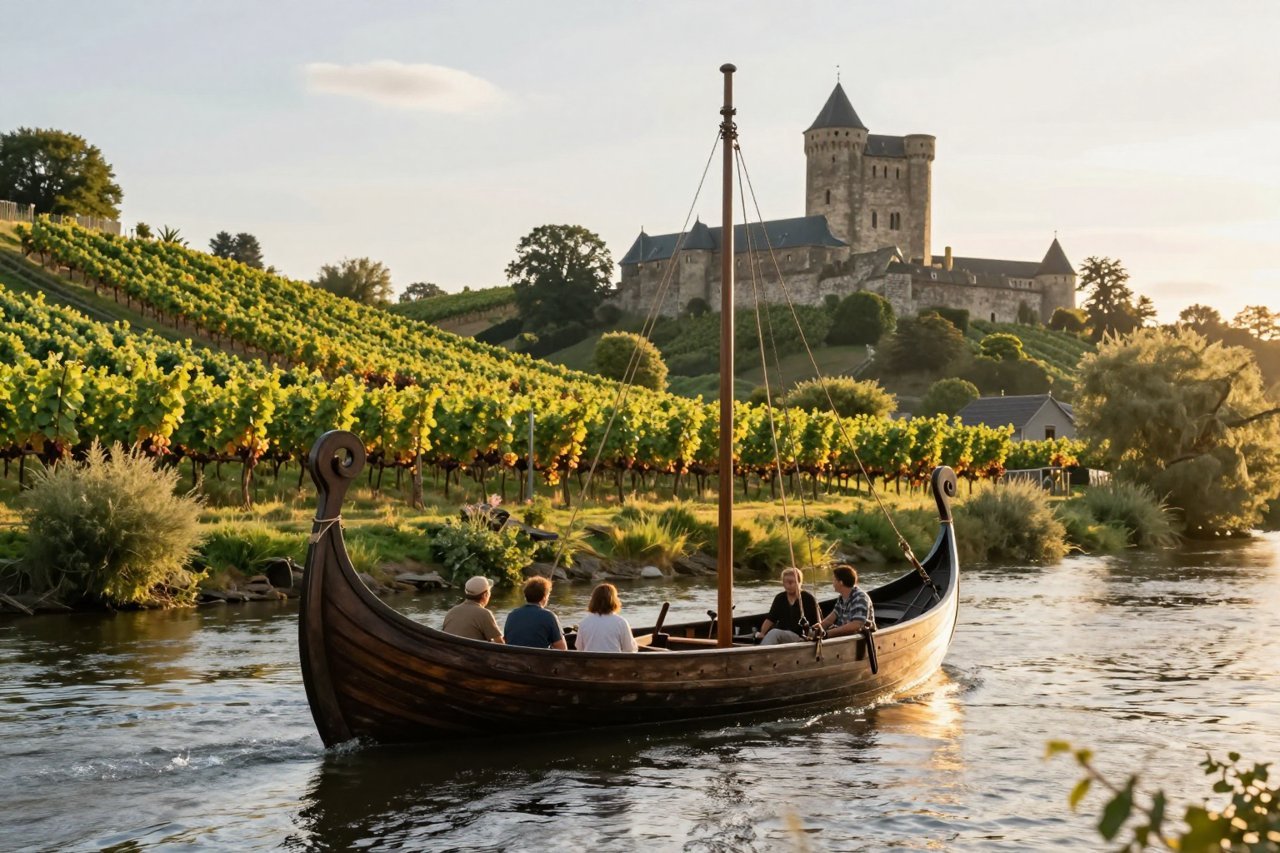
Viking’s Longships for river cruises and small ocean ships feature floor-to-ceiling windows, an Aquavit Terrace for al fresco dining, and public spaces that bring the outside in. The result is a constant connection to the landscapes—whether it’s the terraced vineyards along the Rhine or the rugged coastline of Norway. The ships are intimate, typically carrying fewer than 1,000 guests, which means no queues and a more personalized experience.
All-Inclusive Philosophy
Most Viking cruises include shore excursions, beer and wine with lunch and dinner, onboard Wi-Fi, and even gratuities. This upfront pricing means you can focus on the experience without worrying about hidden costs. It’s a model that appeals to experienced travelers who value simplicity and transparency.

Cultural Immersion
Viking doesn’t just take you to ports—it connects you with local culture. Shore excursions often include visits to UNESCO World Heritage sites, cooking demonstrations, and performances by local musicians. Onboard, the Viking Resident Historian gives lectures that bring history to life. This emphasis on learning sets Viking apart from many other cruise lines. For a broader perspective on luxury cruise offerings, read our guide to the world’s finest luxury cruise lines.
Viking River Cruises: Sailing Europe’s Iconic Waterways
River cruising is where Viking made its name. With over 60 vessels operating on the major rivers of Europe, Asia, and Africa, Viking offers the largest fleet of Longships in the world. The most popular itineraries wind through the heart of Europe: the Danube, Rhine, Seine, and Rhône.
The Longships
Viking’s Longships, launched from 2012 onward, were designed specifically for European rivers. They feature two full decks of modern staterooms with verandas or French balconies, plus a unique outdoor eating area at the bow. These ships are longer and more spacious than traditional riverboats, but still able to navigate narrow locks and low bridges. Every cabin faces outward, giving you a front-row seat to the scenery.
Classic River Routes
A 15-day Viking cruise from Budapest to Amsterdam is a perennial favorite. It takes you through four countries: Hungary, Austria, Germany, and the Netherlands. Stops include Vienna for a classical concert, the charming town of Dürnstein in the Wachau Valley, and the medieval city of Nuremberg. Another top choice is the Seine River voyage from Paris to the beaches of Normandy. Passengers can explore Monet’s garden in Giverny and visit the D-Day landing sites.
If you’re drawn to the charm of traditional paddlewheelers, you might also enjoy our article on the timeless charm of riverboat cruises.
Viking Ocean Cruises: Expanding Horizons
In 2015, Viking launched its first ocean ship, the Viking Star, and now operates a fleet of identical sister ships. Unlike the massive vessels of other lines, Viking’s ocean ships carry just 930 passengers—small enough to call at smaller ports that big ships can’t reach.
Small-Ship Luxury
The ships have a Scandinavian-inspired design: clean lines, light wood, and lots of open deck space. Public areas include a wintergarden, an infinity pool, and a spa with a snow grotto. Cabins come with balconies, and nearly every room has a view. Dining spans multiple venues, from the Italian-owned Manfredi’s to the Chef’s Table, a tasting menu that changes regionally.
Itineraries Across the Globe
Viking ocean cruises cover the Mediterranean, Baltic, Caribbean, Asia, and the Americas. A standout is the 15-day Viking Homelands itinerary from Stockholm to Bergen, which includes stops in Tallinn, St. Petersburg, Helsinki, and Copenhagen. For those fascinated by the Arctic, the 13-day Into the Midnight Sun cruise around the Norwegian coast is a bucket-list experience—especially for outdoor enthusiasts. Our guide to exploring the outdoors of Northern Norway can help you prepare.
What to Expect Onboard a Viking Cruise
Life onboard a Viking ship is unhurried and refined. There are no water slides or bumper cars; instead, you’ll find a library, a sun deck, and quiet lounges. Entertainment is low-key: classical music, guest lectures, and destination-themed performances.
- Dining: Menus feature local specialties sourced from ports along the route. On the Rhine, you might enjoy sauerbraten and riesling; on the Danube, schnitzel and goulash. The wine lists are curated by experts, and every meal includes regional options.
- Enrichment: Viking offers expert-led lectures on history, art, and culture. On river cruises, local artisans come onboard to demonstrate crafts. Some ocean voyages include port talks and cooking classes.
- Excursions: Every port includes a complimentary shore excursion, often a walking tour with a local guide. Optional excursions at an extra cost allow deeper dives, like a visit to the Hermitage in St. Petersburg or a truffle hunt in Tuscany.
Planning Your Viking Cruise: Tips for First-Timers
Choosing the Right Itinerary
Consider what interests you most: history, wine, nature, or cities. For a first-time river cruise, the classic Rhine or Danube routes are hard to beat. For ocean, the Norwegian coast or the Mediterranean are great introductions. If you’re celebrating a special occasion, look into the best cruises for couples seeking a romantic getaway, which includes Viking options.
When to Go
Spring (April-May) and fall (September-October) offer the best weather and fewer crowds on river cruises. Summer is peak season with high water levels, but also longer daylight. For ocean cruises, season depends on the region: May-September for the Baltic, October-April for the Caribbean.
Packing Essentials
Viking cruises have a casual dress code—no formal nights. Pack layers, comfortable walking shoes for excursions, and a jacket for evenings on deck. For river cruising, a rain jacket is a must. Don’t forget binoculars for wildlife viewing.
Why Viking Stands Out Among Luxury Lines
While other lines compete on flash and scale, Viking bet on understated sophistication and destination focus. Its ships are sized to access small ports and rivers, its prices include more, and its passenger demographic is educated and travel-savvy. The consistency across the fleet means you know what you’re getting, whether in China or the Caribbean.
For a broader comparison, check out our overview of luxury cruise lines and see how Viking measures up.
A Final Word on the Viking Experience
A Viking cruise is more than a vacation—it’s a curated journey through some of the world’s most captivating regions. From the grand architecture of Vienna to the raw beauty of the Norwegian fjords, every day brings a new perspective. Whether you choose a river or ocean voyage, the emphasis on enrichment, comfort, and connection sets Viking apart. Take time to research itineraries, read reviews, and consider what kind of experience you want. With Viking, the journey itself becomes a destination.


