
Table of Contents
Small cat breeds like the Singapura, Munchkin, Cornish Rex, and Devon Rex have captured hearts with their compact size and big personalities. But feeding these petite felines isn’t just about scaling down portions—their unique physiology demands specialized nutrition. In this guide, we’ll break down everything you need to know about small cats food, from calorie density to kibble size, and help you make informed choices that keep your tiny companion thriving.
Understanding the Nutritional Needs of Small Cat Breeds
Small cats may have tiny stomachs, but their energy requirements can be surprisingly high. Many small breeds are incredibly active, with high metabolisms that burn calories quickly. This means their food needs to be nutrient-dense—packing plenty of protein and fat into every bite—without relying on fillers that add bulk but little value.
Higher Caloric Density
Because small cats can’t eat large volumes, their food should deliver more calories per gram than standard adult cat food. Look for formulas with at least 40% protein (dry matter basis) and moderate to high fat content (around 20-30%). This is especially true for kittens of these breeds, which need extra energy for growth. For a detailed breakdown of what vets look for in quality food, check out the best cat food recommended by vets—many principles apply regardless of breed size.
Smaller Kibble Size and Texture
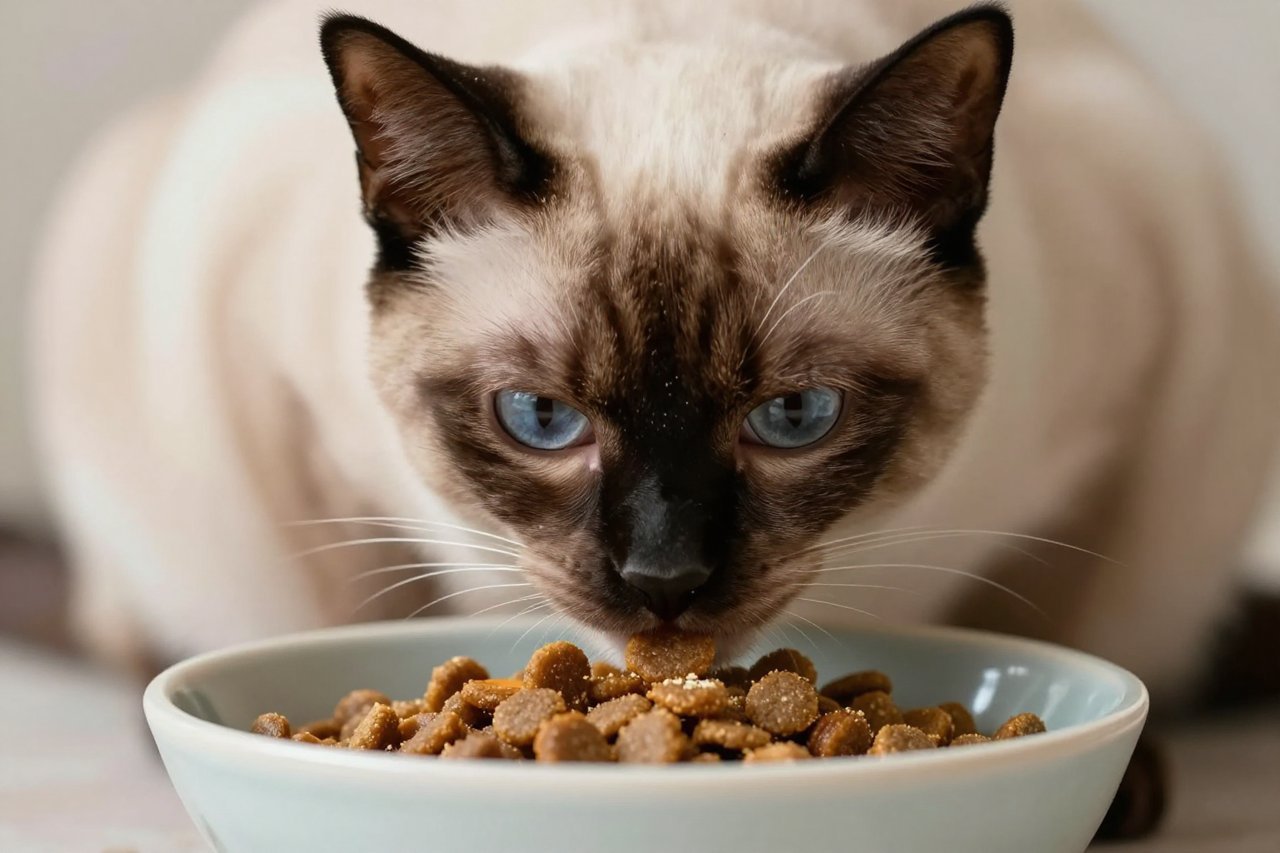
One practical challenge: tiny mouths and jaws need tiny kibble. Standard-sized kibble can be difficult for a Munchkin or Singapura to chew, leading to gulping or choking. Many brands now offer kibble specifically designed for small breeds or kittens, which is also beneficial for adult small cats. Wet food is another excellent option, as it’s easy to eat and provides extra moisture—crucial for urinary health.

Choosing the Right Small Cats Food
With so many options on pet store shelves, narrowing down the best choice for your small cat can feel overwhelming. Focus on a few key factors: ingredient quality, macronutrient ratios, and life-stage appropriateness.
Protein and Fat Ratios
Small cats are obligate carnivores, so animal-based protein should be the first ingredient. Chicken, turkey, fish, or lamb are all good sources. Fat provides concentrated energy; look for named animal fats like chicken fat or fish oil. Avoid vague terms like “animal fat.” For more on protein requirements, our article on high protein cat food explains why this macronutrient matters for all felines.
Avoiding Fillers and By-Products
Small cats’ digestive systems don’t handle excessive grains, corn, or soy well. These ingredients add empty calories and can lead to obesity or allergies. Opt for grain-free or limited-ingredient diets if your cat has sensitivities. If you suspect allergies, you might want to explore hypoallergenic cat food options for potential solutions.
Feeding Schedule and Portion Control
Because small cats have high metabolic rates but small stomachs, free-feeding often leads to overeating or undereating. A structured schedule works best. Here are some practical tips:
- Feed 3-4 small meals per day for adult small cats (kittens may need 4-5).
- Use a kitchen scale to measure portions accurately—eyeballing can lead to calorie overload.
- Stick to recommended serving sizes on the food label, adjusting based on activity level and body condition.
- Combine wet and dry food to increase moisture intake without overdoing carbohydrates.
- Monitor weight weekly; small cats gain weight quickly, and obesity stresses their delicate joints.
Common Health Issues in Small Cats and How Diet Can Help
Small breed cats are prone to certain conditions that diet can influence. Dental problems are common because tiny mouths crowd teeth; feeding kibble designed for dental health or incorporating raw meaty bones (under guidance) can help. Urinary tract issues also occur more frequently; canned food increases water consumption and dilutes urine. A balanced diet with controlled magnesium and pH levels supports urinary health.
For kittens of these breeds, starting on a high-quality diet early is vital. Our guide on how to choose high quality kitten food provides tips that apply equally to small breed kittens, ensuring they get the right start.
Transitioning to a New Food
Small cats can be picky, and their delicate stomachs don’t tolerate sudden changes well. When switching to a new small cats food, do it gradually over 7-10 days. Start with 25% new food mixed with 75% old, then increase the new by 25% every few days. Watch for signs of digestive upset like vomiting or diarrhea. If problems persist, consider a different formula or consult your vet.
Ultimately, the best small cats food is one that matches your cat’s life stage, activity level, and health status. Just like humans, every cat is an individual, so don’t be afraid to experiment within safe boundaries. For a deeper dive into what really constitutes quality cat food, this complete guide will help you evaluate ingredients and brands with confidence. Your small cat deserves the best, and with the right nutrition, they’ll stay playful and healthy for years to come.


