
Table of Contents
On 14 December 2025, what began as a peaceful celebration on one of Australia’s most iconic beaches turned into the country’s deadliest mass shooting in nearly three decades. During a Hanukkah “Chanukah by the Sea” event attended by hundreds of people at Bondi Beach in Sydney, two shooters opened fire on the crowd, killing at least 15 people and injuring dozens more. The attack has shocked Australia and drawn global condemnation.
Reuters and other verified sources described the incident as one of the worst in modern Australian history, prompting renewed debate about gun laws, terrorism, and community safety.
The Attack and Immediate Aftermath
The shooting began just before 7 p.m. local time on Sunday evening, as families, friends, and community members gathered for the first night of Hanukkah — a major Jewish festival. Witnesses reported hearing a sustained barrage of gunfire that lasted approximately ten minutes, sending people running for cover along the sand, in nearby streets, and into adjacent parks.

Authorities said at least 15 civilians were killed on the beach and surrounding areas, with victims ranging in age from a 10-year-old girl to elderly adults. Among those confirmed dead were community leaders and international visitors. At least 40 others were wounded, including several police officers responding to the scene.
A senior New South Wales Police spokesman confirmed that the shooting was a targeted attack on the Jewish community, which led them to classify the incident as a terrorist attack. Prime Minister Anthony Albanese described the event as “pure evil” and reaffirmed the government’s commitment to respond to antisemitism and violence.
Suspects Identified: Father and Son Duo
Police investigations rapidly identified the two alleged attackers as a father and son team from Sydney’s western suburbs. The older man, aged 50, was killed at the scene by police gunfire, while his 24-year-old son was wounded and taken into custody in critical condition.
Authorities said the father was a licensed firearm owner with at least six registered weapons in his possession, including rifles and shotguns. Officers also discovered improvised explosive devices (IEDs) in a vehicle connected to the pair, which were taken and rendered safe by bomb disposal teams.
While investigations continue into the precise motive, the New South Wales Police Commissioner publicly described the attackers’ actions as constituting antisemitic terrorism, a classification reflecting both the target and the manner of the assault.
Heroism Amid Chaos
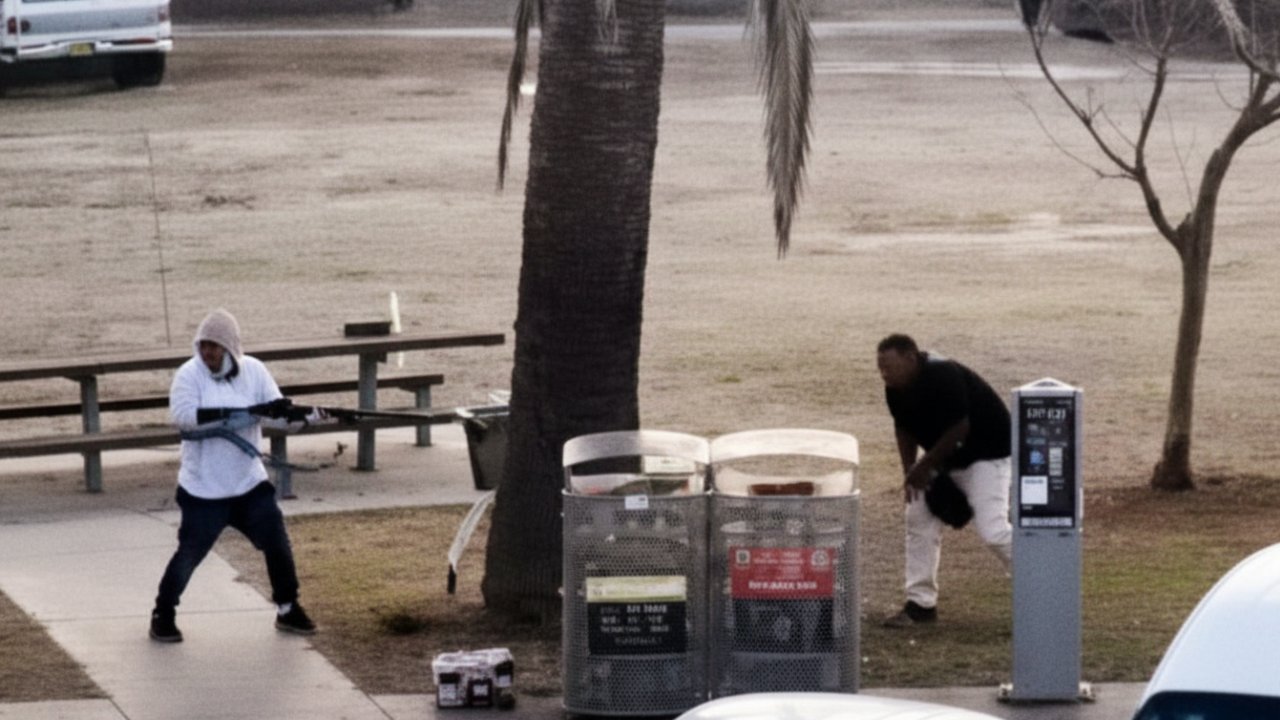
Amid the horror, moments of bravery emerged. A bystander, identified by local media as Ahmed al Ahmed, a 43-year-old Sydney resident, was widely praised after tackling and disarming one of the shooters, potentially saving many lives before being injured himself. His courageous actions were acknowledged by public officials and community members as a profound demonstration of selflessness amid terror.
Reactions Across Australia and the World
The attack has left Australians reeling. Bondi Beach, typically a vibrant and welcoming tourist destination, remained cordoned off as cleanup and investigation efforts continued. Tributes mounted, and thousands placed flowers and memorial stones near the Bondi Pavilion in remembrance of the victims.
Prime Minister Anthony Albanese offered public condolences and warned that Australia must confront terrorism and hatred in all its forms. Leaders of various faith communities joined in solidarity, condemning violence and calling for unity.
Global leaders also expressed sorrow and support: senior government officials and heads of state highlighted the need for solidarity and protections for minority communities in democratic societies.
Implications and Debate Over Gun Laws
Australia’s strict gun control regime — introduced after the 1996 Port Arthur massacre — has largely kept mass shootings rare. However, this latest incident has reignited debates about firearm licensing, radicalization, and public safety. Officials have indicated that reforms to gun laws and counterterrorism measures are likely under consideration as part of the national response.
Critics have questioned how individuals with known security agency interactions were able to legally obtain and retain firearms. According to multiple reports, domestic intelligence services had examined one of the attackers in the past due to suspected links with extremist networks, but did not assess him as an imminent threat.
Ongoing Investigation and Community Support
The investigation remains active, with police continuing to execute search warrants and gather evidence from residences linked to the suspects. Meanwhile, support networks for affected families and survivors have been established, with trauma counseling and community outreach ongoing across Sydney and beyond. Reuters
Security agencies have increased patrols around synagogues and Jewish centers nationwide, and officials have pledged that the terror threat assessment will remain under review during the country’s holiday season and beyond.
Remembering the Victims
As names of the deceased emerge, communities around Australia and the world mourn lives cut short. Among those confirmed killed were a young child, faith leaders, elderly community members, and visitors. Services and vigils honoring their memory have drawn large public participation, underscoring the shared grief and resolve against hate-driven violence. News.com.au
Conclusion
The Bondi Beach mass shooting of December 14, 2025, stands as a stark reminder of the devastating impact of violence on communities. What began as a joyful celebration was transformed into a scene of tragedy and loss, the worst of its kind in Australia in decades.
In the days ahead, Australia faces the dual challenges of grieving, rebuilding trust, and addressing safety concerns while ensuring that justice and unity prevail in the wake of an attack widely described by leaders and citizens alike as an assault on peace, tolerance, and shared humanity.


