
Table of Contents
Living with arthritis often means navigating a daily mix of pain, stiffness, and uncertainty. While medications and physical therapy play a central role, the food on your plate can make a quieter but powerful difference. The right foods have been shown to dampen inflammation, protect cartilage, and even reduce the intensity of flare-ups. This guide looks at the science behind foods for arthritis and how to build a diet that supports your joints.
Why Diet Matters for Arthritis
Arthritis is not one single disease. Osteoarthritis involves the wearing down of cartilage, while rheumatoid arthritis is an autoimmune condition where the immune system attacks the joints. What these conditions share is inflammation. In osteoarthritis, inflammation is often low-grade and localized; in rheumatoid arthritis, it can be systemic and severe. Either way, the foods you eat can influence the level of inflammatory chemicals in your body.
The role of inflammation in joint pain
When your immune system senses damage or a threat, it releases proteins called cytokines. Some of these are pro-inflammatory, meaning they trigger or worsen inflammation. Others are anti-inflammatory and help resolve it. The balance between these molecules shapes how your joints feel. Diets rich in processed foods and refined sugars tend to tip the balance toward the pro-inflammatory side. Conversely, a diet packed with plant compounds and healthy fats promotes an anti-inflammatory environment.
How foods can trigger or calm the immune response
Certain foods, like added sugars and trans fats, can directly stimulate inflammatory pathways. Others, such as omega-3 fatty acids, work by competing with inflammatory molecules and inhibiting their production. Studies show that people who follow a Mediterranean-style eating pattern experience less joint tenderness and morning stiffness. That’s why experts increasingly view dietary changes as a core part of arthritis management, not just a nice extra.

Top Foods for Arthritis Relief
No single food will cure arthritis, but combining several types can create a powerful supportive effect. Here are some of the most evidence-backed foods for reducing inflammation and supporting joint health.
Fatty fish and omega-3s
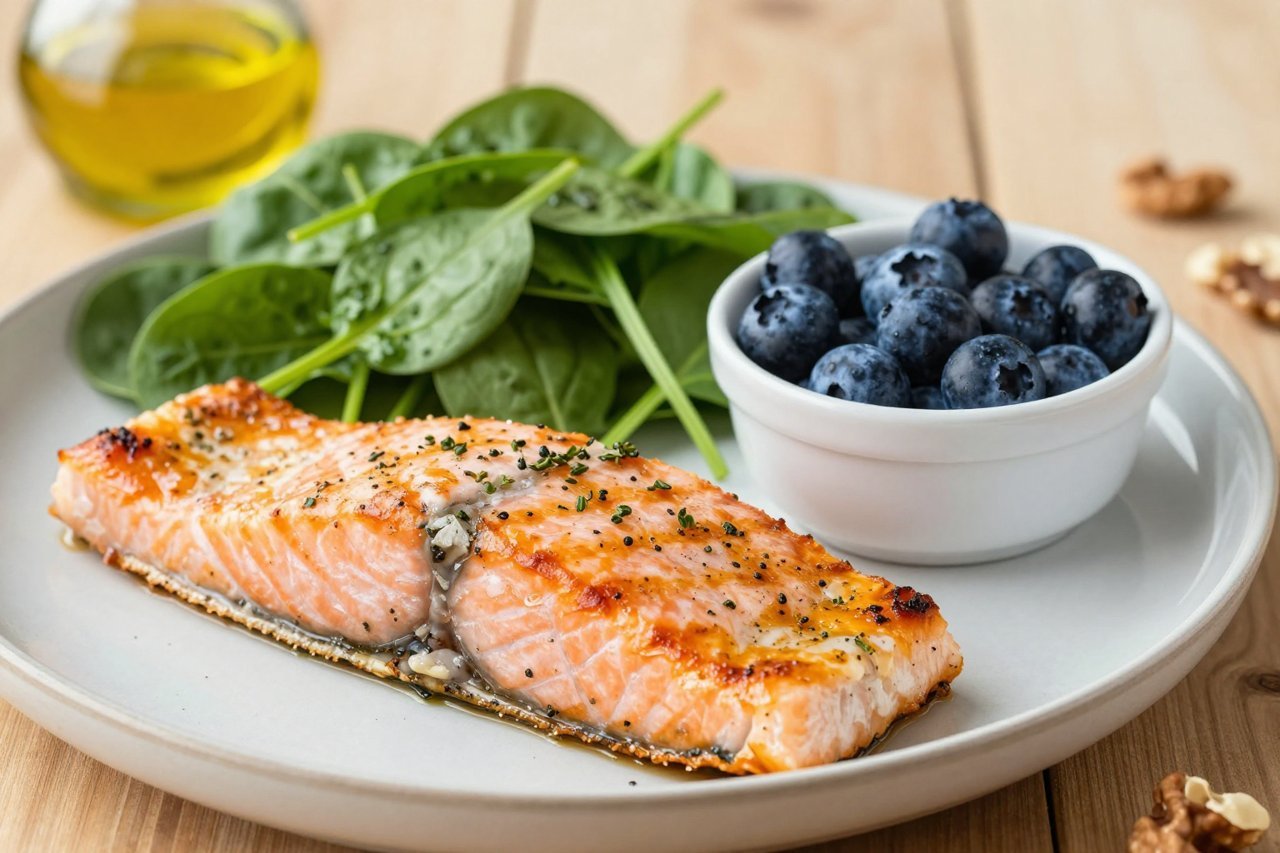
Salmon, mackerel, sardines, and anchovies are rich in eicosapentaenoic acid (EPA) and docosahexaenoic acid (DHA). These long-chain omega-3 fats are potent anti-inflammatories. A 2020 review in the journal Nutrients found that people with rheumatoid arthritis who consumed more omega-3s had lower levels of joint pain and used fewer painkillers. Aim for at least two servings of oily fish per week. If you’re not a fish eater, you can find similar fats in flaxseeds, chia seeds, and walnuts, though the conversion from plant sources to EPA/DHA is less efficient.
Leafy greens and colorful vegetables
Spinach, kale, Swiss chard, and broccoli are packed with vitamins and phytochemicals like quercetin and kaempferol. These antioxidants neutralize free radicals that damage cartilage. Dark, leafy greens also contain high amounts of vitamin K, which activates proteins that help maintain cartilage structure. A large observational study of over 150,000 women found that those who ate the most vegetables, particularly yellow and leafy greens, were significantly less likely to develop inflammatory arthritis. The goal is to fill half your plate with vegetables at every meal.
Berries and citrus fruits
Strawberries, blueberries, raspberries, and blackberries provide anthocyanins, the pigments that give them their deep red and purple hues. These compounds reduce inflammatory markers like C-reactive protein (CRP). Citrus fruits—oranges, grapefruits, lemons—are high in vitamin C, which your body needs to produce collagen, a key component of cartilage. In the famous Framingham Osteoarthritis Study, people who consumed the most vitamin C had a lower risk of knee cartilage loss. A simple habit: start your day with a handful of berries on yogurt or oatmeal, and add lemon to your water.
Nuts, seeds, and whole grains
Almonds, walnuts, and sunflower seeds are rich in vitamin E, which protects cells from oxidative stress. Walnuts are particularly notable because they also provide a plant-based source of omega-3s. Whole grains like oats, brown rice, quinoa, and whole-wheat bread contain fiber that feeds beneficial gut bacteria. A healthy gut microbiome can indirectly reduce systemic inflammation. In a randomized trial, people who followed a diet emphasizing whole grains and legumes experienced a significant reduction in joint pain after 12 weeks compared to those eating refined grains.
Olive oil and other healthy fats
Extra-virgin olive oil is a cornerstone of the Mediterranean diet. It contains oleocanthal, a compound with anti-inflammatory properties that have been compared to ibuprofen, albeit at lower doses. One study found that older adults who consumed olive oil regularly had fewer joint problems and better physical function. To use it effectively, drizzle it over salads and vegetables after cooking rather than heating it to high temperatures, which can degrade some of its beneficial compounds. Avocados and avocado oil are also excellent sources of monounsaturated fats.
Herbs, spices, and tea
Turmeric deserves special mention. Its active pigment, curcumin, is one of the most extensively studied anti-inflammatory compounds. A 2016 meta-analysis of clinical trials showed that curcumin supplements were more effective at reducing pain and improving function in people with arthritis than placebo, and performed comparably to NSAIDs without the stomach side effects. Ginger is another spice with similar effects on inflammatory enzymes. Green tea, especially matcha, provides catechins like epigallocatechin-3-gallate (EGCG), which has been shown to prevent cartilage breakdown in laboratory studies. For a deeper look at how matcha fits into an anti-inflammatory lifestyle, check out this piece on 15 Matcha Green Tea Benefits.
The Anti-Inflammatory Diet Approach
Rather than focusing on a handful of miracle foods, many rheumatologists now recommend an overall anti-inflammatory eating pattern. The anti-inflammatory diet essentially adapts the Mediterranean diet to focus on whole, plant-rich foods while minimizing processed ingredients. It prioritizes vegetables, legumes, whole grains, fruits, fish, olive oil, and modest amounts of poultry and dairy. It also emphasizes low glycemic-index foods to manage blood sugar, which can otherwise worsen inflammation. For a practical list of exactly what to stock in your kitchen, this guide to anti-inflammatory foods breaks it down by category.
Foods to Avoid with Arthritis
If you’re eating your way toward less pain, you also need to know what could be sabotaging your efforts. Ultra-processed snacks, sugary drinks, and refined carbs like white bread and pastries cause a rapid spike in blood sugar and insulin. This triggers the release of inflammatory molecules called advanced glycation end products, or AGEs. People with arthritis sometimes notice stiffer joints after a heavy sugar day. Fried foods, which are often cooked in pro-inflammatory vegetable oils, are best eaten sparingly. Some people also find that nightshade vegetables like tomatoes, peppers, and eggplants worsen their symptoms, but research is mixed. If you suspect a sensitivity, try eliminating one food group for three weeks and track your pain.
Beyond Food: Lifestyle Habits That Support Joint Health
While foods for arthritis are central, they work best alongside other lifestyle habits. Excess weight puts mechanical stress on weight-bearing joints, so even modest weight loss (around 10% of your body weight) can reduce pain by up to 50% in some people. Low-impact exercises like swimming and cycling improve muscle support around joints without jarring them. Staying hydrated keeps cartilage spongy and hydrated. Another supplement worth discussing with your doctor is collagen. Collagen is the main protein in cartilage, and some research suggests that collagen dietary supplements may reduce knee pain and improve mobility. You’ll also find a related discussion of collagen in food sources if you want to explore that angle further.
Putting It All Together: A Day of Anti-Inflammatory Eating
If you’re wondering what this looks like in practice, here’s a sample day that incorporates many of the foods for arthritis mentioned above.
- Breakfast: Greek yogurt with blueberries, 2 tablespoons of chopped walnuts, and a drizzle of honey. Serve with a glass of green tea.
- Snack: Apple slices with a handful of almonds.
- Lunch: A spinach salad with grilled salmon, avocado, cherry tomatoes, cucumber, and a lemon-olive oil vinaigrette. Add a side of quinoa.
- Snack: Carrot sticks with hummus, or a small serving of whole-grain crackers with tzatziki made from Greek yogurt.
- Dinner: Baked cod with a turmeric-ginger glaze, roasted broccoli and purple cabbage, and a small portion of brown rice.
Notice how each meal includes a source of protein, healthy fat, and plenty of colorful produce. You don’t need to be perfect. Start by swapping out one processed snack for a handful of nuts or fruit, or making one meal a week a plant-based dinner. Over time, those small changes add up to a significant reduction in inflammation and a much happier, more mobile you.


