
Table of Contents
Losing hair is unsettling. One day your hairline looks fine, the next you notice more strands in the shower drain. If you’re searching for a hair loss treatment, you’ve probably encountered dozens of products making bold claims. The truth is, some treatments are backed by solid science, while others are just expensive placebos. Let’s cut through the noise.
Understanding Hair Loss: It’s Not Just Genetics
Before choosing a treatment, it helps to understand why hair falls out. The most common cause is androgenetic alopecia – male or female pattern baldness. It affects roughly 50 million men and 30 million women in the U.S. alone. This type of hair loss is driven by dihydrotestosterone (DHT), a hormone derived from testosterone. DHT shrinks hair follicles over time, making each new hair thinner and shorter until the follicle stops producing hair altogether.
But genetics isn’t the only culprit. Stress, hormonal changes (like pregnancy or menopause), nutritional deficiencies, thyroid issues, and certain medications can also trigger temporary or permanent hair loss. A proper diagnosis from a dermatologist or trichologist is the first step toward effective treatment.
FDA-Approved Medications: The Gold Standard
Two drugs have been proven to slow or reverse hair loss in large clinical trials: minoxidil and finasteride.

Minoxidil (Rogaine)
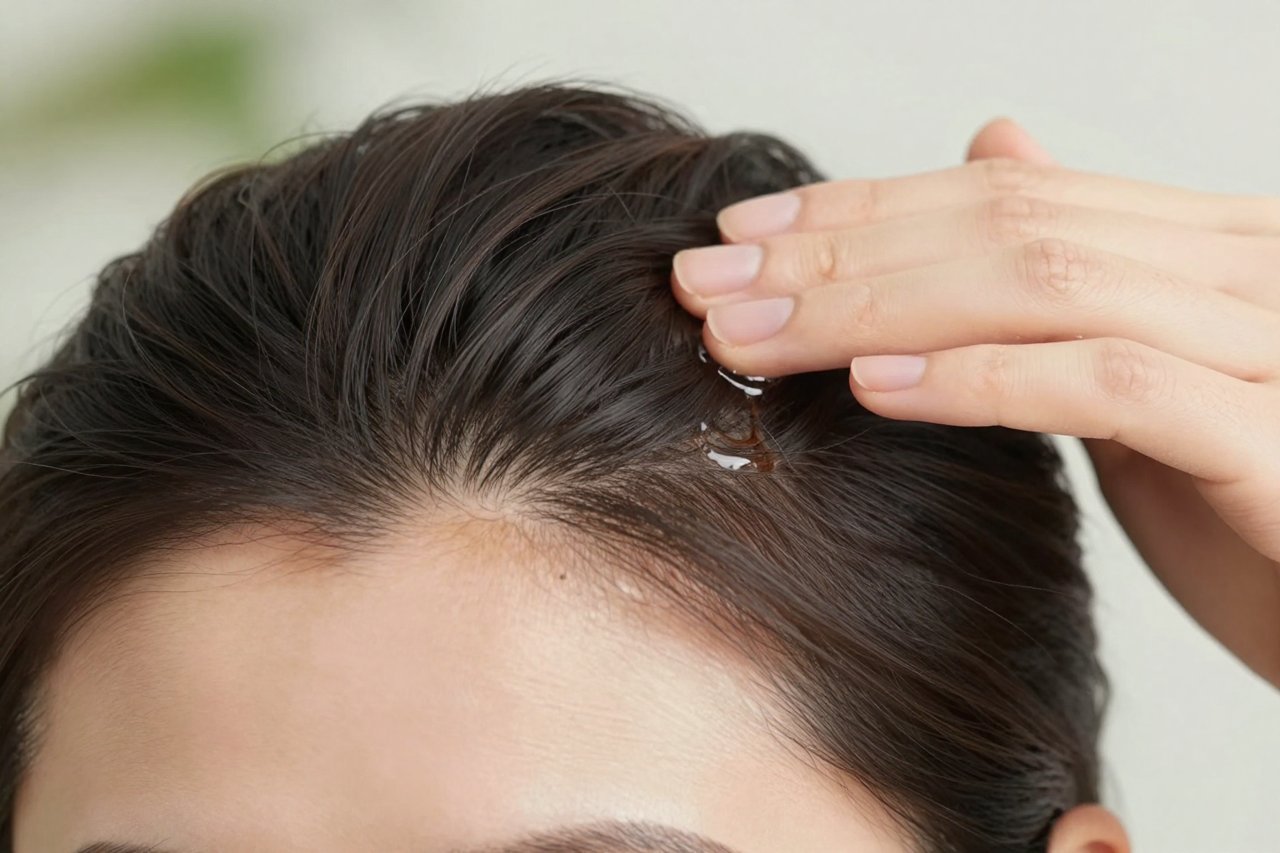
Minoxidil is a topical solution applied directly to the scalp. It’s available over-the-counter in 2% and 5% strengths for men, and 2% for women (though many women use 5% under a doctor’s guidance). How it works isn’t fully understood, but it’s believed to widen blood vessels and stimulate hair follicles, pushing them from a resting phase into a growth phase.
Studies show that 5% minoxidil applied twice daily regrows hair in about 40-60% of men after 4-6 months. For women, the 2% solution showed a 60% improvement in hair density in one 32-week trial. The catch: results take time, and you must keep using it – if you stop, any regrown hair will fall out within a few months.
Side effects are usually mild: scalp irritation, itching, or unwanted facial hair growth if the liquid drips onto your face. A foam version reduces these issues.
Finasteride (Propecia)
Finasteride is a prescription pill that blocks the conversion of testosterone to DHT. It reduces scalp DHT levels by about 60-70%. In a 5-year study, 48% of men taking 1 mg daily had visible hair regrowth, while 42% maintained their baseline hair count (meaning they didn’t lose more hair). For women, finasteride is less effective and is generally not recommended for premenopausal women due to risks during pregnancy.
Side effects are the main concern. About 2-4% of men report decreased libido, erectile dysfunction, or depression, though these often resolve after stopping. A small percentage report persistent side effects even after discontinuation – a condition called post-finasteride syndrome. Talk to your doctor about these risks.
Low-Level Laser Therapy (LLLT)
LLLT uses red or near-infrared light to stimulate hair follicles. Devices like laser combs, caps, and helmets are cleared by the FDA as a safe treatment for hereditary hair loss. The theory is that photons absorbed by cells increase energy production, promoting cell proliferation and hair growth.
A 2014 meta-analysis of 11 studies found that LLLT improved hair density in both men and women. One study showed a 35% increase in hair count after 6 months of using a laser cap. Results are modest compared to medication, but many people like that it’s non-invasive and has no known side effects. Consistency matters: most devices require 15-30 minutes of use every other day.
Platelet-Rich Plasma (PRP) Therapy
PRP involves drawing your blood, spinning it in a centrifuge to concentrate platelets, and injecting that platelet-rich plasma into your scalp. Platelets contain growth factors that may stimulate hair follicles and prolong the growth phase.
Clinical data is mixed. A 2020 systematic review of 19 studies found that PRP was effective in increasing hair density and thickness in most participants, but the quality of evidence is low because protocols vary widely. Typically, you’ll need 3-4 sessions spaced a month apart, then maintenance every 4-6 months. Cost ranges from $500 to $2,000 per session and is rarely covered by insurance.
Side effects are minimal: temporary pain at injection sites, swelling, or bruising. It’s a good option for people who want to avoid daily medications or surgery.
Natural and Lifestyle Approaches
Natural treatments won’t work like minoxidil or finasteride, but they can support overall hair health, especially if your hair loss is linked to nutrition or stress.
Diet and Supplements
Hair is made of a protein called keratin, so adequate protein intake matters. Iron deficiency is a known cause of hair loss in women – one study found that iron supplementation improved hair growth in 90% of women with low ferritin levels. Vitamin D deficiency is also linked to hair loss; a 2013 study showed that women with hair loss had significantly lower vitamin D levels than healthy controls.
Supplements like biotin, zinc, and saw palmetto are popular, but evidence is weak. Saw palmetto is sometimes called “nature’s finasteride” because it may inhibit DHT, but clinical trials haven’t confirmed it works as well as the drug.
Scalp Massage and Essential Oils
A small 2016 study found that daily four-minute scalp massages for 24 weeks increased hair thickness in men. The mechanism might be increased blood flow or stretching of hair follicle cells. Meanwhile, a 1998 study found that a mixture of lavender, rosemary, thyme, and cedarwood oils in a carrier oil (applied nightly) improved hair growth in 44% of participants with alopecia areata, compared to 15% in the control group. Rosemary oil in particular has been compared to 2% minoxidil in a 2015 study, with similar results but less scalp itching.
Managing Stress
Telogen effluvium is a temporary hair shedding condition triggered by stress, illness, or childbirth. Reducing stress through exercise, meditation, or therapy can help. Hair usually grows back on its own within 6-9 months once the stressor is removed.
Surgical Options: Hair Transplants
When medications aren’t enough, a hair transplant can restore density. The two main techniques are follicular unit transplantation (FUT) and follicular unit extraction (FUE).
FUT involves removing a strip of skin from the back of the scalp, dissecting it into individual grafts, and implanting them into thinning areas. FUE extracts individual follicles one by one using a tiny punch tool. FUE leaves no linear scar and has a shorter recovery, but it’s more expensive and takes longer.
Modern transplants can look very natural when done by an experienced surgeon. But it’s not a quick fix: you’ll shed the transplanted hairs within a few weeks, then new growth appears after 3-6 months. Full results take 12-18 months. Plus, you may still need to take minoxidil or finasteride to protect existing hair from further loss.
What About Women? Special Considerations
Female pattern hair loss often presents as diffuse thinning over the crown, rather than a receding hairline. Minoxidil is the only FDA-approved medication for women (finasteride is not approved and may cause birth defects). Low-level laser therapy and PRP are also options. For women with hair loss due to polycystic ovary syndrome (PCOS), treating the underlying hormone imbalance can help.
If you’re pregnant or breastfeeding, avoid finasteride and minoxidil. Always consult your ob-gyn before starting any treatment.
Putting It All Together: A Practical Plan
Start with a clear diagnosis. See a dermatologist who can check your scalp, run blood tests for iron, vitamin D, and thyroid function, and rule out autoimmune conditions like alopecia areata.
For most people with androgenetic alopecia, the best first-line approach is a combination of minoxidil (topical) and finasteride (if you’re a man and comfortable with the risks). Add in LLLT or PRP if budget allows and you want additional support. Give it at least 6 months before judging results – hair growth is slow.
If you choose natural approaches, be realistic. Diet, stress management, and scalp massage can improve hair quality and may help with mild shedding, but they won’t regrow a bald crown.
Finally, consider cosmetic options like hair fibers, toppik, or a good haircut to boost confidence while treatments take effect. Hair loss is tough, but you have more tools than ever to fight it.


