
Table of Contents
When you’re trying to lose weight, the biggest challenge isn’t just cutting calories—it’s staying full and satisfied. A bowl of lettuce might be low in calories, but it won’t keep you going for more than an hour. The trick is to choose low calorie foods for weight loss that are also high in volume, fiber, or protein. These foods trick your brain into feeling full while keeping your calorie count low.
Over the years, I’ve tested dozens of so-called “diet foods.” Some left me hungry and miserable. Others became staples in my kitchen. Here are the ones that actually work—backed by science and real-world experience.
Why Volume and Nutrient Density Matter
Calories aren’t everything, but they matter. To lose weight, you need to be in a calorie deficit. But that doesn’t mean you have to be hungry. Foods with low energy density—meaning few calories per gram—allow you to eat a large volume of food without consuming many calories. Think of a huge bowl of spinach versus a small handful of almonds. The spinach fills your stomach for a fraction of the calories.
Fiber and protein also play a huge role in satiety. Fiber slows digestion, while protein triggers hormones that signal fullness. Combining these in your meals is a winning strategy.

Vegetables: The Ultimate Low-Calorie Foods for Weight Loss
Non-starchy vegetables are the undisputed champions of low-calorie eating. They are mostly water and fiber, so you can eat large amounts without blowing your calorie budget.
Leafy Greens
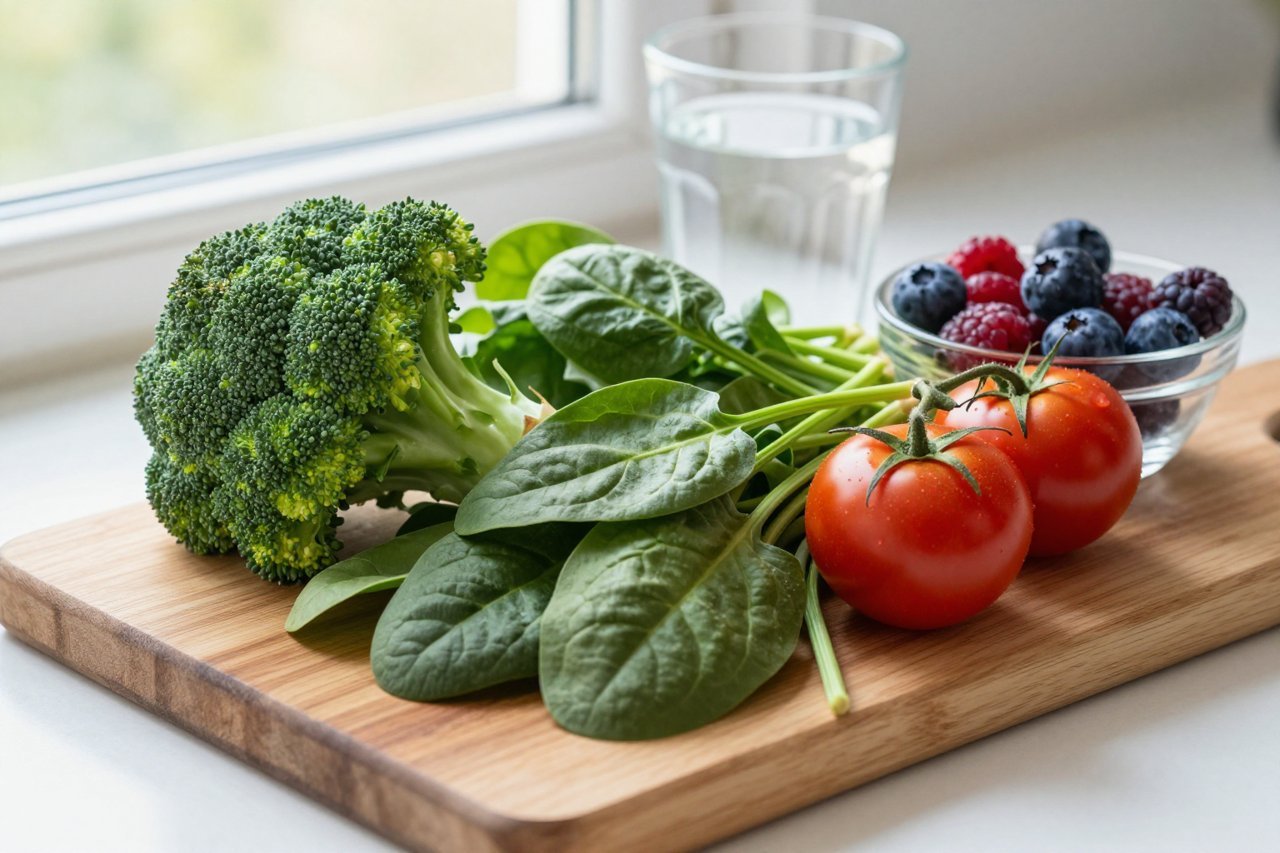
Spinach, kale, arugula, and romaine lettuce contain about 10–20 calories per cup. A massive salad with 4 cups of greens, cucumber, tomato, and a light vinaigrette might total only 150–200 calories. To make it more satisfying, add a healthy food for weight loss like grilled chicken or chickpeas.
Cruciferous Vegetables
Broccoli, cauliflower, Brussels sprouts, and cabbage are incredibly filling. One cup of cooked broccoli has about 55 calories and 5 grams of fiber. Roast them with a little olive oil and garlic for a satisfying side dish.
Cucumbers and Celery
These are almost calorie-free. A whole cucumber has about 45 calories. Celery stalks are about 10 calories each. They are perfect for crunching on when you feel like snacking. Pair them with hummus or Greek yogurt dip for extra protein.
Fruits That Satisfy Your Sweet Tooth
Fruit contains natural sugar, but it also delivers fiber, water, and micronutrients. Whole fruits are far better than juice because the fiber blunts blood sugar spikes and keeps you full. For a deeper look at the best options, check out the best fruits for weight loss.
Berries
Strawberries, blueberries, raspberries, and blackberries are low in calories but high in fiber. One cup of strawberries has about 50 calories and 3 grams of fiber. Frozen berries are just as nutritious and often cheaper.
Watermelon and Cantaloupe
These melons are over 90% water, making them extremely low in calories. A cup of diced watermelon has about 45 calories. They are refreshing and help with hydration.
Grapefruit
Half a grapefruit has roughly 50 calories. Some studies suggest that eating grapefruit before meals may help with weight loss, possibly due to its appetite-suppressing properties. It’s also rich in vitamin C.
Lean Proteins to Keep You Full
Protein is the most satiating macronutrient. Including a source of lean protein at every meal can reduce cravings and prevent overeating. The best high protein foods for weight loss include chicken breast, fish, eggs, and legumes.
Chicken and Turkey Breast
Skinless chicken breast has about 165 calories per 100 grams and is packed with protein. Turkey breast is similar. Grill, bake, or poach them—avoid frying.
Fish and Seafood
White fish like cod, tilapia, and halibut are very low in calories (about 80–100 per 100 grams) and high in protein. Salmon and mackerel are higher in calories but provide healthy omega-3 fats. Shrimp is also a great low-calorie option—100 grams has about 85 calories.
Eggs
One large egg has about 70–80 calories. Eggs are incredibly filling and versatile. Hard-boiled eggs make a perfect snack. Scrambled eggs with vegetables are a satisfying breakfast. For more ideas, see these healthy breakfast food ideas.
Greek Yogurt and Cottage Cheese
Plain nonfat Greek yogurt has about 100 calories per 100 grams and 10 grams of protein. Cottage cheese is similar—low in calories, high in protein. Both are great for breakfast or as a snack. Add berries or a sprinkle of cinnamon for flavor.
Legumes and Whole Grains
These are higher in calories than vegetables, but they are nutrient-dense and very filling. A small portion goes a long way.
Lentils and Beans
Cooked lentils have about 115 calories per half cup and provide 9 grams of protein and 8 grams of fiber. Black beans, chickpeas, and kidney beans are similar. They are excellent in soups, salads, or as a meat substitute.
Oats and Quinoa
Oats are a classic low-calorie breakfast—half a cup of dry oats has about 150 calories. They are rich in beta-glucan, a type of fiber that helps you feel full. Quinoa is a complete protein with about 120 calories per half cup cooked. Use it as a base for bowls or salads.
Low-Calorie Snacks That Curb Cravings
Snacking can derail a diet, but with the right choices, it can actually help you stay on track. Here are some low-calorie snacks that work:
- Air-popped popcorn: 3 cups have only about 90 calories. Skip the butter and use spices.
- Rice cakes: One plain rice cake has about 35 calories. Top with cottage cheese or almond butter.
- Vegetable sticks with hummus: 100 grams of cucumber with 2 tablespoons of hummus is about 100 calories.
- Hard-boiled eggs: As mentioned, 70–80 calories each and very filling.
- Seaweed snacks: A whole packet is often under 50 calories.
How to Combine These Foods for Meals
It’s not enough to just eat low-calorie foods—you need to combine them into balanced meals that keep you satisfied. A good formula is: 1–2 servings of vegetables + 1 serving of lean protein + 1 serving of healthy carbs (like quinoa or lentils) + a source of healthy fat (like avocado or olive oil).
For example, a lunch bowl could contain 2 cups of mixed greens, 4 ounces of grilled chicken, ½ cup of quinoa, and a few cherry tomatoes with a lemon-tahini dressing. That meal would be around 400–450 calories and keep you full for hours. For more complete meal ideas, check out these healthy meals for weight loss.
Tips for Making Low-Calorie Eating Sustainable
Long-term success comes from habits, not willpower. Here are a few strategies that help:
- Eat more soup: Broth-based soups with vegetables and lean protein are very low in calories and high in volume. Have a bowl before your main meal to reduce overall intake.
- Drink water: Thirst is often mistaken for hunger. Drink a glass of water before snacking.
- Use smaller plates: This visual trick can help you feel satisfied with less food.
- Don’t drink your calories: Soda, juice, and sweetened coffee drinks can add hundreds of empty calories. Stick to water, tea, or black coffee.
- Prep your veggies: Wash and chop vegetables as soon as you get home from the store. Having ready-to-eat veggies makes it easier to grab them when you’re hungry.
One of my favorite hacks is to keep a container of washed baby carrots and celery sticks in the fridge at all times. When I feel a snack attack coming, I grab those instead of chips. It sounds simple, but it works.
Another thing: don’t be afraid of healthy fats. Avocado, nuts, seeds, and olive oil are calorie-dense, but they also provide essential nutrients and help you feel full. Just watch your portions. A quarter of an avocado is about 60 calories—perfect for adding creaminess to a salad.
Remember, the goal isn’t to eat as little as possible. It’s to eat foods that nourish your body while keeping your calorie intake in check. By filling your diet with these low-calorie foods for weight loss, you can lose weight without feeling deprived.


