
Table of Contents
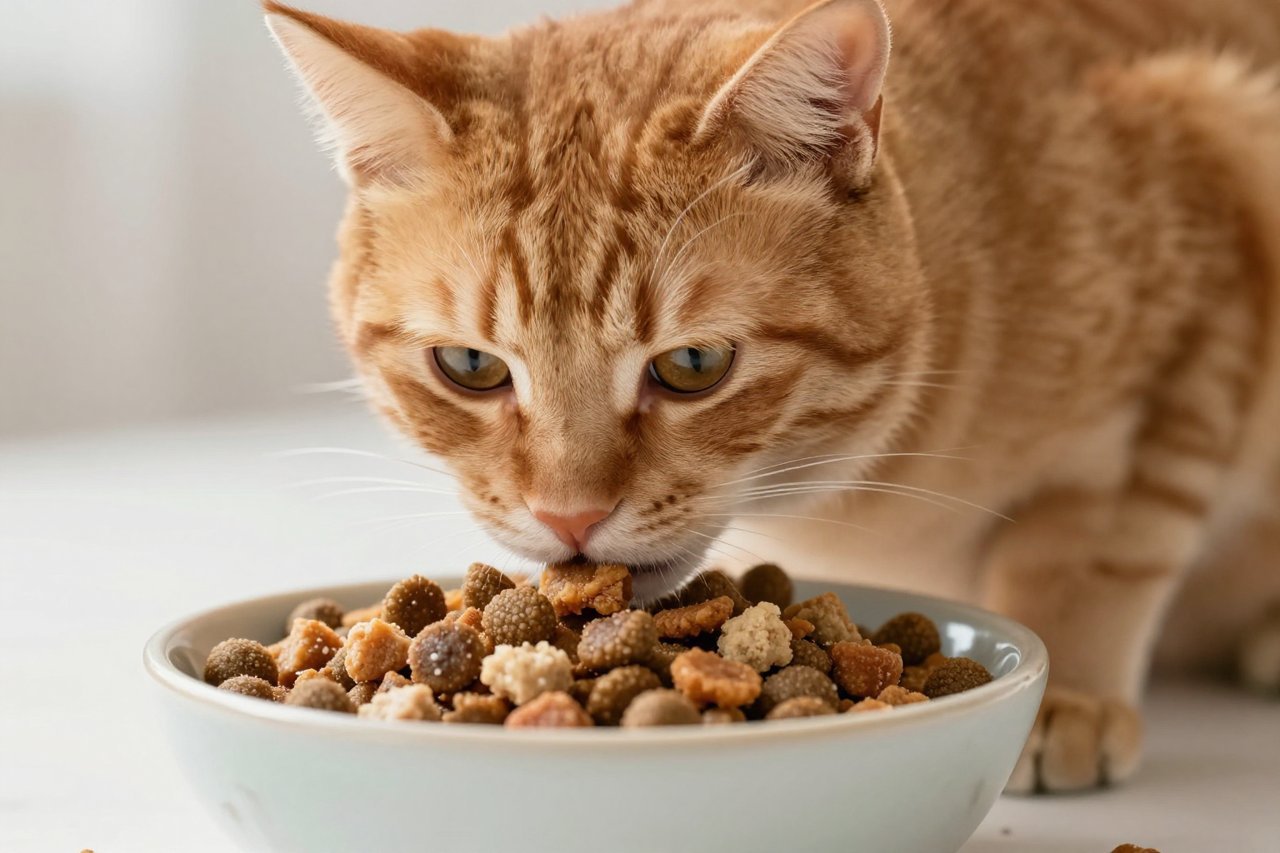
Walking down the pet food aisle, you’re faced with dozens of bags and cans, each promising complete nutrition, shiny coats, and happy purrs. The best cat food for your feline isn’t necessarily the most expensive or the trendiest brand—it’s the one that matches your cat’s age, health status, and personal taste. Cats have specific nutritional needs that differ from dogs and humans, so understanding what makes a diet truly excellent is key.
What Sets Cats Apart Nutritionally
Cats are obligate carnivores, which means their bodies are designed to get nutrients from animal tissue. They require certain amino acids, like taurine and arginine, that they can’t synthesize on their own. Taurine deficiency can lead to blindness and heart problems, so any reputable best cat food will include it. Additionally, cats need arachidonic acid (a fatty acid found in animal fats) and preformed vitamin A, which plant-based diets can’t provide.
Protein should be the star ingredient. Look for named animal proteins like chicken, turkey, salmon, or beef as the first ingredient. Meat meals—such as chicken meal or fish meal—are concentrated protein sources and are perfectly fine. Avoid vague terms like “meat by-products” or “animal digest” unless you know the source.
Wet vs. Dry: Which Is Better?
Both wet and dry cat foods have pros and cons. Wet food has high moisture content (around 75-85%), which helps keep your cat hydrated and supports urinary tract health. Dry food is convenient, shelf-stable, and can help with dental health through crunching, though it’s not a substitute for brushing. Many owners feed a combination—dry food for grazing and wet food for moisture and variety.

If your cat is prone to urinary crystals or kidney issues, wet food is often recommended. For healthy cats, a mix works well. Just ensure the food meets the Association of American Feed Control Officials (AAFCO) nutritional standards for your cat’s life stage.
Understanding Cat Food Labels
Pet food labels can be confusing. When searching for the best cat food, focus on the guaranteed analysis, ingredient list, and nutritional adequacy statement. The AAFCO statement will tell you if the food is formulated for “all life stages,” “adult maintenance,” or “growth and reproduction.” Kittens need more calories and calcium for growing bones, while senior cats often benefit from lower phosphorus and added joint support.
Avoid foods with excessive fillers like corn, wheat, and soy. Cats don’t need carbohydrates in large amounts, though a small amount (like rice or oats) is fine for binding. Artificial colors, flavors, and preservatives (BHA, BHT, ethoxyquin) are best avoided.
Life Stage Considerations
Kittens require a diet rich in protein, DHA for brain development, and higher calories. Adult cats (1-7 years) need balanced maintenance formulas. Seniors (7+ years) may benefit from lower phosphorus, added omega-3s for joints, and easily digestible proteins. Some brands offer breed-specific or health-specific formulas, but a high-quality all-life-stages food can work for many households. If you have a dog as well, check out our guide on 10 Best Dog Food Brands for a Healthier, Happier Pup in 2025 for their dietary needs.
Ingredients That Make a Difference
Look for these beneficial ingredients in the best cat food:
- Named protein source (chicken, salmon, turkey) – provides essential amino acids.
- Animal fat (chicken fat, salmon oil) – source of omega-6 and omega-3 fatty acids.
- Fiber sources (pumpkin, beet pulp, psyllium) – aids digestion and hairball control.
- Probiotics – support gut health.
- Vitamins and minerals – especially taurine, vitamin E, and zinc.
Avoid foods with excessive salt or sugar, and be cautious with raw diets—they require careful handling and can pose risks to both cats and owners. If you’re considering a raw diet, consult your veterinarian first.
Grain-Free vs. Grain-Inclusive
Grain-free diets became popular due to concerns about allergies, but true grain allergies in cats are rare. Grains like rice, barley, and oats can be healthy sources of fiber and nutrients. The FDA has investigated a possible link between grain-free diets and dilated cardiomyopathy (DCM) in dogs, but the risk for cats is less clear. For most cats, grain-inclusive diets are safe and often more affordable. Focus on the quality of the protein and fat sources rather than the presence of grains.
Special Dietary Needs
Some cats have medical conditions that require prescription diets. For example, cats with chronic kidney disease need reduced phosphorus and protein, while diabetic cats benefit from low-carbohydrate, high-protein foods. If your cat has a health issue, work with your vet to choose the best cat food for their condition. Never switch to a therapeutic diet without veterinary guidance.
Other common issues include food allergies (usually to chicken, beef, or fish), which can cause skin irritation or gastrointestinal upset. Limited-ingredient diets with novel proteins like duck or venison can help. Urinary health is another concern—crystals or stones can be managed with diets that control pH and mineral levels. For comprehensive coverage, consider best cat insurance to help with unexpected veterinary costs.
How to Transition to a New Food
Cats can be picky and have sensitive stomachs. When switching foods, do it gradually over 7-10 days. Start with 25% new food and 75% old food, then slowly increase the proportion. Monitor for vomiting, diarrhea, or loss of appetite. If problems persist, consult your vet. Patience is key—some cats take weeks to accept a new diet.
A sudden switch can cause digestive upset. If your cat refuses to eat the new food, try mixing in a small amount of a favorite treat or warming the wet food slightly to enhance aroma. Remember, the best cat food won’t work if your cat won’t eat it.
Reading Reviews and Ratings
Online reviews can be helpful, but take them with a grain of salt. A food that works for one cat may not work for yours. Look for patterns—if many owners report similar positive results (improved coat, energy, stool quality), that’s a good sign. Also check for recalls. The Top 7 Highest Rated Pet Foods: Expert Picks for Dogs and Cats on our site offers a curated list based on quality and customer feedback.
Affordability and Availability
You don’t need to spend a fortune on the best cat food. Many mid-range brands offer excellent nutrition. Calculate the cost per day or per feeding—some premium foods are more calorie-dense, so you feed less, balancing the cost. Check for subscription discounts or loyalty programs. Always buy from reputable retailers to avoid counterfeit products.
If you’re on a tight budget, store brands from major pet retailers often have AAFCO-approved formulas that meet nutritional requirements. Avoid generic or unbranded foods with vague ingredients. Your cat’s health is worth a little extra effort.
For pet owners with allergies themselves, you might also be interested in best dogs for allergies if you’re considering adding a canine companion. And if you have a new puppy, check out the best puppy insurance to protect your furry friend.
Final Recommendations
Choosing the best cat food boils down to your cat’s individual needs. Start with a high-quality food that lists a named protein first, meets AAFCO standards for your cat’s life stage, and is free from unnecessary fillers and artificial additives. Observe your cat’s response—energy, coat condition, stool quality, and overall demeanor are good indicators. Don’t hesitate to ask your veterinarian for personalized advice, especially if your cat has health issues. With a little research and patience, you’ll find a diet that keeps your feline friend purring for years to come.


