
Table of Contents
Vitamin B12 is a powerhouse nutrient that keeps your nerves and blood cells healthy, helps make DNA, and prevents megaloblastic anemia. Yet many people don’t get enough, especially as they age or follow plant-based diets. While supplements are an option, nothing beats getting B12 from whole foods. Here are the most potent b12 vitamin foods you should add to your plate.
Why Vitamin B12 Matters
B12 is unique because it contains cobalt and is mainly found in animal products. It supports nerve function, red blood cell formation, and energy metabolism. A deficiency can cause fatigue, memory problems, and nerve damage. For most adults, the recommended daily intake is 2.4 micrograms. The good news? Many vitamin B12 foods pack a lot more than that in a single serving.
Top Animal-Based B12 Foods
Animal products are the richest natural sources. Even small amounts can meet your daily needs.
1. Clams
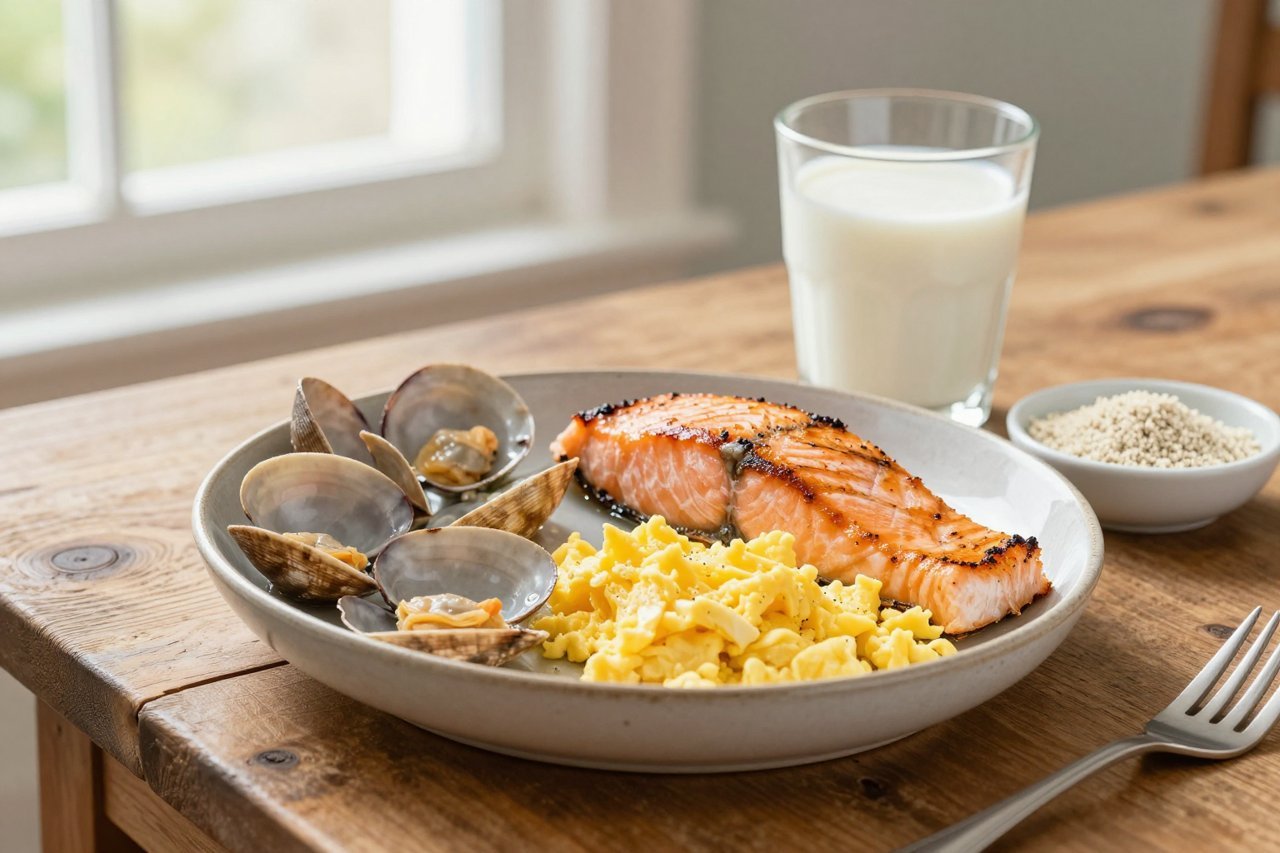
Just 3 ounces of cooked clams deliver a whopping 84 micrograms of B12 — over 35 times the daily requirement. They also provide iron and protein. Steam them or add to chowders for a nutrient boost.

2. Beef Liver
Beef liver is another super source: 3 ounces offer about 70 micrograms. It’s also packed with vitamin A and copper. If liver isn’t your thing, try pâté or incorporate small amounts into stews.
3. Sardines
These small fish are big on B12: one cup of drained sardines provides around 8 micrograms. They’re also rich in omega-3 fatty acids. Toss them on salads or whole-grain crackers.
4. Salmon
Wild or farmed, salmon is a great source. A 3-ounce serving gives about 4 micrograms. Plus, its omega-3s support heart and brain health. For more on heart-friendly foods, check out The Best Food Good for Heart.
5. Tuna
Canned light tuna is convenient: half a can (about 3 ounces) provides 2.5 micrograms. Albacore has slightly more. Enjoy it in sandwiches, salads, or with crackers.
6. Trout
Rainbow trout is tasty and nutrient-dense. A 3-ounce serving delivers about 5 micrograms B12. Grill or bake with herbs.
Dairy and Eggs: Everyday B12 Sources
If you’re not a big meat eater, dairy and eggs can help fill the gap.
7. Milk and Yogurt
One cup of milk has about 1.2 micrograms of B12. Greek yogurt packs roughly 1.3 micrograms per cup. They also contribute calcium and protein. Add yogurt to smoothies or enjoy a glass of milk with breakfast.
8. Cheese
Swiss cheese leads: 1 ounce gives 0.9 micrograms. Mozzarella and cheddar offer lesser amounts. Use cheese as a topping or snack.
9. Eggs
Two large eggs contain about 1.2 micrograms of B12. Most is in the yolk, so eat the whole egg. Hard-boiled eggs make a perfect portable snack.
Fortified Foods: Options for Vegans and Vegetarians
Since plant foods don’t naturally contain B12, fortified products are essential for those avoiding animal products. If you rely on these, you may also want to read about Vitamin B12 Supplements: Who Needs Them and How to Choose to ensure adequate intake.
10. Fortified Breakfast Cereals
Many cereals are enriched with B12. A one-cup serving can provide 6 micrograms or more. Choose whole-grain, low-sugar options and check the label. Pair with fortified plant milk for a double dose.
11. Plant-Based Milk
Soy, almond, oat, and rice milks are often fortified with B12, calcium, and vitamin D. One cup typically contains 1–3 micrograms. Shake the carton before pouring as B12 can settle.
12. Nutritional Yeast
This flaky seasoning is a vegan favorite. Two tablespoons of fortified nutritional yeast can deliver up to 4 micrograms of B12. Sprinkle it on popcorn, pasta, or roasted vegetables for a cheesy flavor.
13. Meat Substitutes
Veggie burgers, plant-based sausages, and mock meats often have added B12. Brands vary, so read labels. Some provide up to 50% of the daily value per serving. For a broader perspective on filling nutritional gaps, refer to Food Supplement Vitamins: A Practical Guide to Filling Nutritional Gaps.
How to Maximize B12 Absorption
Getting enough B12 from food is one thing; absorbing it is another. Here are practical tips:
- Pair with stomach acid: B12 requires gastric acid for absorption. Older adults or those on acid-reducing meds may benefit from supplements. Learn more about Vitamin B Supplements if you’re considering additional support.
- Eat B12 foods throughout the day: The body only absorbs about 1.5 micrograms per meal from food. Spreading intake helps.
- Cook minimally: B12 is heat-sensitive, though not destroyed by normal cooking. Still, avoid prolonged boiling.
- Check your gut health: Conditions like Crohn’s, celiac, or pernicious anemia hinder absorption. In those cases, high-dose supplements or injections may be needed.
Who’s at Risk for Deficiency?
Some groups need to be extra vigilant about B12. Vegans, vegetarians, pregnant or breastfeeding women, older adults, and people with digestive disorders are most at risk. Early signs include fatigue, pale skin, and tingling in hands and feet. If you suspect low B12, a blood test can confirm. Meanwhile, focus on these b12 vitamin foods and consider fortified options.
Incorporating a variety of these foods into your daily diet is the best way to maintain healthy levels. For heart health as a bonus, remember that many B12-rich foods like fish and lean meats also support cardiovascular function, as highlighted in the heart-friendly foods guide.


