
Table of Contents
When it comes to keeping your heart in top shape, what you put on your plate matters more than you might think. Cardiovascular disease remains the leading cause of death worldwide, but the good news is that simple dietary changes can dramatically lower your risk. The right food good for heart health works by reducing inflammation, controlling blood pressure, managing cholesterol, and supporting healthy blood vessels. Let’s explore the most powerful choices you can make, backed by science and easy to incorporate into your daily life.
Why Diet Matters for Heart Health
Your heart works tirelessly, pumping about 2,000 gallons of blood each day. To keep it running smoothly, it needs a steady supply of nutrients. Unhealthy eating habits—think excess sodium, trans fats, and refined sugars—can lead to plaque buildup in arteries, high blood pressure, and inflammation. On the flip side, a diet rich in whole foods can reverse some of that damage. Studies show that adopting a heart-healthy diet can reduce the risk of heart attack and stroke by up to 30%.
One of the most effective approaches is the Mediterranean diet, which emphasizes fruits, vegetables, whole grains, legumes, nuts, seeds, and healthy fats. But you don’t need to overhaul your entire menu overnight. Start by adding more of the foods listed below—each one has been shown to support cardiovascular health in a unique way.
Leafy Greens: The Unsung Heroes
Spinach, kale, Swiss chard, and collard greens are packed with vitamins, minerals, and antioxidants. They’re especially rich in vitamin K, which helps protect your arteries and promotes proper blood clotting. A 2016 study found that eating just one cup of leafy greens per day significantly lowered the risk of heart disease.

These greens also provide dietary nitrates, which help relax blood vessels, improve blood flow, and reduce blood pressure. Try tossing a handful into your morning smoothie or adding them to soups and stir-fries. For a quick and easy way to get more greens, check out these healthy breakfast food ideas that incorporate spinach and kale.
Fatty Fish: Omega-3 Powerhouse
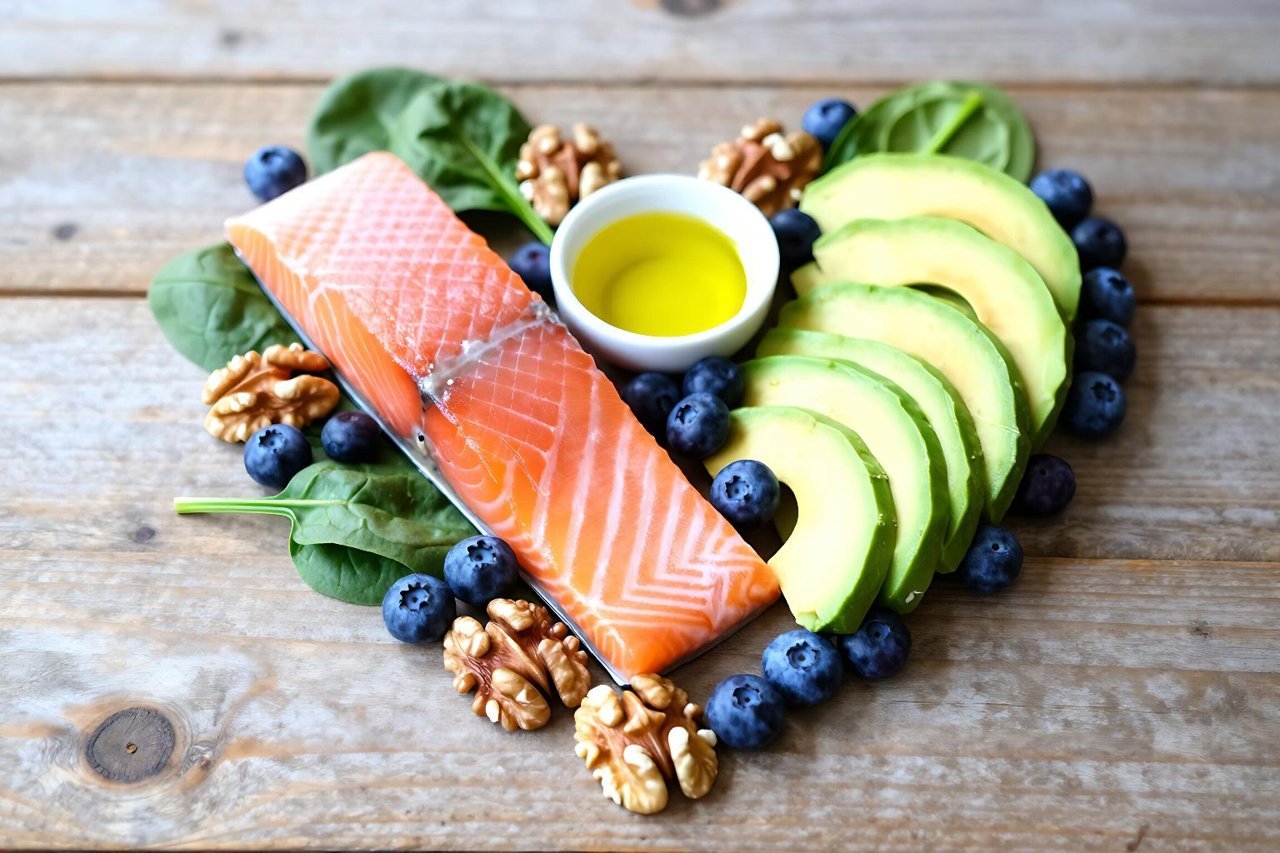
Salmon, mackerel, sardines, and tuna are loaded with omega-3 fatty acids, specifically EPA and DHA. These fats are known to reduce inflammation, lower triglycerides, and decrease the risk of arrhythmias. The American Heart Association recommends eating two servings of fatty fish per week—each serving about 3.5 ounces cooked.
Not a fan of fish? Consider a fish oil supplement, but whole food sources are always better. Omega-3s also support brain health and mood, and they work synergistically with other heart-friendly nutrients. If you’re looking for a convenient snack, try sardines on whole-grain crackers or add canned salmon to a salad.
Berries: Small but Mighty
Blueberries, strawberries, raspberries, and blackberries are packed with anthocyanins, antioxidants that give them their vibrant colors. These compounds help lower blood pressure, improve blood vessel function, and reduce oxidative stress. A 2019 study found that eating three or more servings of berries per week was linked to a 34% lower risk of heart attack in women.
Berries are also low in sugar and high in fiber, making them a great choice for weight management—a key factor in heart health. Enjoy them fresh, frozen, or blended into a smoothie. For a heart-healthy snack, pair berries with a handful of nuts or a dollop of Greek yogurt.
Avocados: Creamy Goodness for Your Arteries
Avocados are rich in monounsaturated fats, which can help lower LDL (bad) cholesterol while raising HDL (good) cholesterol. They also contain potassium, a mineral that helps regulate blood pressure. One study showed that eating one avocado per day for six months led to a significant reduction in LDL cholesterol.
Add avocado to salads, sandwiches, or enjoy it as a spread on whole-grain toast. Its creamy texture makes it a satisfying substitute for less healthy fats like butter or mayonnaise. Plus, avocados are packed with fiber and antioxidants like lutein, which also benefits eye health.
Whole Grains: Fiber for a Healthy Heart
Oats, quinoa, brown rice, barley, and whole wheat are excellent sources of soluble fiber, which binds to cholesterol and helps remove it from your body. A bowl of oatmeal can lower LDL cholesterol by 5-10% if eaten regularly. The fiber in whole grains also helps control blood sugar and keeps you full longer, aiding weight management.
Swap refined grains for whole grains wherever possible. Start your day with a bowl of steel-cut oats topped with berries and nuts. For a savory option, try quinoa salads or brown rice bowls with vegetables and lean protein. If you need a quick and healthy snack on the go, these healthy snacks for weight loss and food cravings often include whole grains like popcorn or oat-based bars.
Nuts and Seeds: Tiny Powerhouses
Almonds, walnuts, flaxseeds, chia seeds, and hemp seeds are rich in healthy fats, fiber, and antioxidants. Walnuts, in particular, are high in alpha-linolenic acid (ALA), a plant-based omega-3. Eating a handful of nuts (about 1.5 ounces) per day has been linked to a reduced risk of heart disease and stroke.
Nuts make a perfect portable snack, but watch portion sizes—they’re calorie-dense. Sprinkle seeds on yogurt, oatmeal, or salads for an extra nutritional boost. For a heart-healthy dessert, try a small handful of dark chocolate-covered almonds (choose at least 70% cocoa).
Legumes: Beans and Lentils for a Strong Heart
Beans, lentils, chickpeas, and peas are excellent sources of fiber, protein, and minerals like magnesium and potassium. They help lower cholesterol, stabilize blood sugar, and reduce blood pressure. A 2018 meta-analysis found that eating legumes regularly reduced the risk of coronary heart disease by 10%.
Add lentils to soups, stews, or salads. Swap half the meat in your chili with beans. Hummus, made from chickpeas, makes a great heart-healthy dip for veggies or whole-grain crackers. Legumes are also budget-friendly and shelf-stable, making them an easy addition to any diet.
Dark Chocolate: A Delicious Treat for Your Heart
Yes, chocolate can be heart-healthy—but only the dark kind with at least 70% cocoa content. Dark chocolate is rich in flavonoids, antioxidants that help improve blood flow, lower blood pressure, and reduce inflammation. A 2017 study showed that eating a small square of dark chocolate daily could reduce the risk of heart disease by up to 20%.
Stick to one or two small squares per day to avoid excess sugar and calories. Pair it with almonds or berries for a satisfying snack. Remember, milk chocolate and white chocolate don’t offer the same benefits—they’re lower in cocoa and higher in sugar.
Tomatoes: Lycopene for Arterial Health
Tomatoes are loaded with lycopene, a powerful antioxidant that gives them their red color. Lycopene helps reduce LDL oxidation, which can prevent plaque buildup in arteries. Cooking tomatoes actually increases lycopene bioavailability, so tomato sauce, paste, and canned tomatoes are excellent choices.
Add sliced tomatoes to sandwiches and salads, or use tomato sauce as a base for pasta and soups. For an extra heart-healthy boost, pair tomatoes with a little olive oil—the fat helps absorb lycopene. A simple caprese salad with fresh mozzarella, basil, and olive oil is a classic.
Garlic: A Flavorful Blood Pressure Reducer
Garlic has been used for centuries for its medicinal properties, and modern research backs its heart benefits. Allicin, a compound in garlic, helps relax blood vessels, lower blood pressure, and reduce cholesterol. Some studies suggest that eating one to two cloves of garlic per day can lead to modest reductions in blood pressure.
Crush or chop garlic and let it sit for a few minutes before cooking to activate its beneficial compounds. Add it to stir-fries, sauces, salad dressings, or roasted vegetables. If you’re not a fan of the taste, aged garlic extract supplements are an alternative, but whole food is always best.
Green Tea: Sip Your Way to Heart Health
Green tea is packed with catechins, antioxidants that protect cells from damage and reduce inflammation. Drinking green tea regularly has been linked to lower cholesterol, improved blood vessel function, and a reduced risk of heart disease. A 2020 study found that people who drank four or more cups of green tea per day had a 20% lower risk of heart attack.
Brew a fresh cup and drink it hot or iced. Avoid adding too much sugar or milk, which can reduce antioxidant absorption. Matcha, a powdered form of green tea, is even more concentrated in catechins. For a mid-afternoon pick-me-up, replace your sugary coffee drink with green tea—it also provides a gentle caffeine boost without the jitters.
Putting It All Together: A Heart-Healthy Plate
Building a heart-healthy diet isn’t about cutting out everything you enjoy. It’s about making smart swaps and adding nutrient-dense foods. Aim to fill half your plate with vegetables and fruits, a quarter with whole grains, and a quarter with lean protein like fish, legumes, or poultry. Use healthy fats like olive oil for cooking and dressing.
Start your day with a bowl of oatmeal topped with berries and walnuts. For lunch, enjoy a spinach salad with grilled salmon, avocado, and a lemon-tahini dressing. Dinner could be lentil soup with a side of quinoa and roasted vegetables. And for a snack, grab a handful of almonds and a square of dark chocolate.
If you struggle with getting enough key nutrients, consider supplementing wisely. For example, vitamin B12 is essential for heart health, especially if you’re older or follow a plant-based diet. Learn more about vitamin B12 supplements and who might need them. Zinc also plays a role in maintaining healthy blood vessels—check out this guide on zinc supplement benefits for more info. And for powerful antioxidant support, astaxanthin has shown promise in reducing oxidative stress linked to heart disease—explore astaxanthin benefits for your health.
Remember, consistency matters more than perfection. Small changes add up over time. Start by adding one heart-healthy food to your daily routine this week, and build from there. Your heart will thank you for years to come.


