
Table of Contents
Spirulina has been around for centuries, but it’s only in the last few decades that the spirulina supplement has become a pantry staple for health enthusiasts. This blue-green algae is packed with protein, vitamins, and antioxidants, often touted as a complete superfood. But is it worth the hype? Let’s break down what a spirulina supplement can actually do for you, how to pick a quality product, and what to watch out for.
What Exactly Is Spirulina?
Spirulina is a type of cyanobacteria—often called blue-green algae—that grows in both fresh and saltwater. It’s one of the oldest life forms on Earth, and it’s been consumed by various cultures for its dense nutrient profile. Unlike many supplements that isolate a single compound, spirulina delivers a whole-food complex of protein, B vitamins, iron, and antioxidants like phycocyanin.
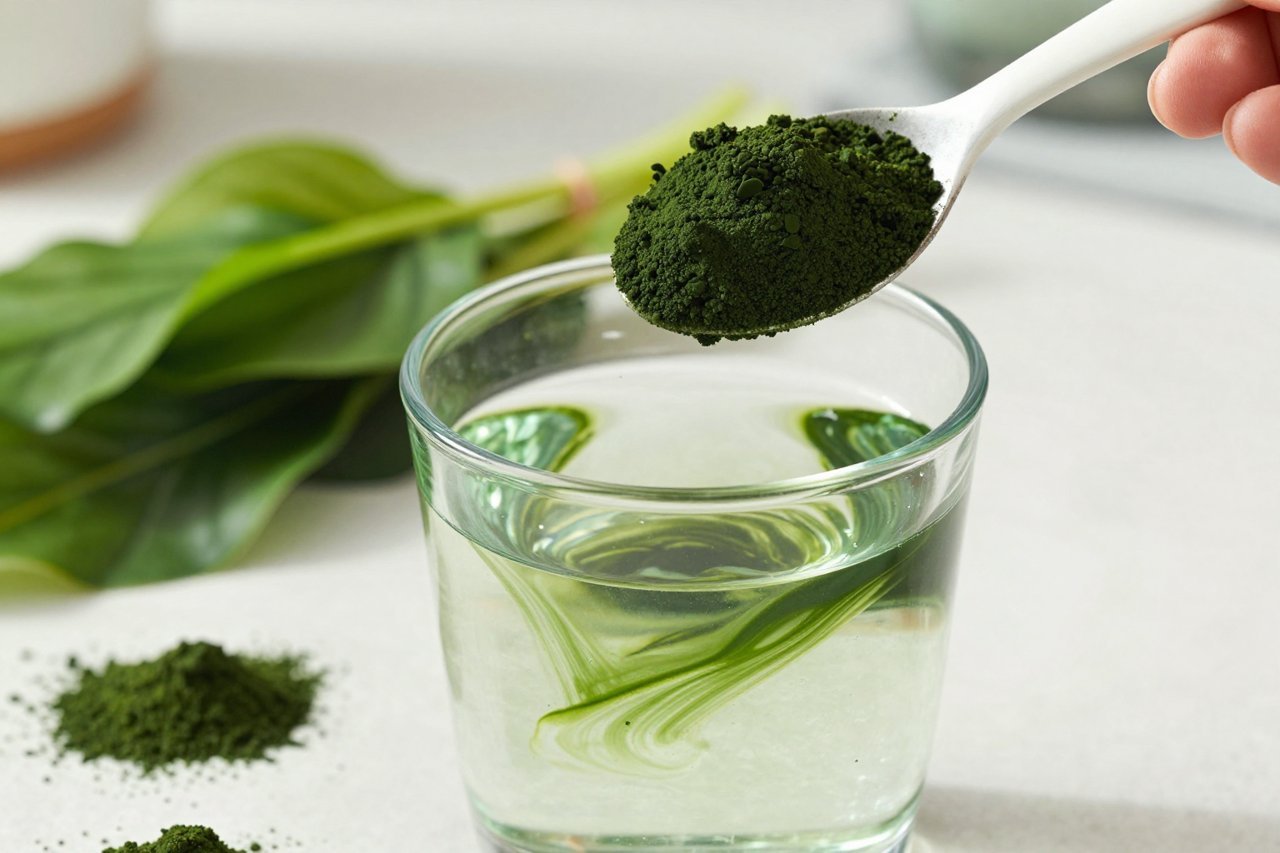
The algae is typically dried and sold as a powder or tablet. The powder form is more versatile—you can blend it into smoothies, sprinkle it over salads, or stir it into juices. Tablets are convenient if you dislike the taste, which can be described as earthy or slightly seaweed-like.
The Nutritional Profile: What’s Inside a Spirulina Supplement?
A standard serving of spirulina (about 1 tablespoon or 7 grams) provides roughly 20 calories, 4 grams of protein, and a host of micronutrients. Here are the highlights:

Protein and Amino Acids
Spirulina is about 60–70% protein by weight, which is higher than most plant proteins. It contains all essential amino acids, making it a rare complete plant protein. This is why many vegans and vegetarians turn to spirulina. For a comparison with other plant-based options, check out our breakdown of 13 vegan protein benefits compared to animal protein.
B Vitamins and Iron
Spirulina is rich in vitamin B1 (thiamine), B2 (riboflavin), and B3 (niacin). It also contains a significant amount of iron—about 2 mg per tablespoon—which is more bioavailable than iron from many plant sources. That said, if you’re anemic, spirulina can help, but it shouldn’t replace medical treatment.
Antioxidants: Phycocyanin and Beta-Carotene
The blue pigment phycocyanin is a powerful antioxidant that fights oxidative stress. Spirulina also contains beta-carotene, which the body converts to vitamin A. These compounds give spirulina its anti-inflammatory reputation.
Health Benefits of Taking a Spirulina Supplement
Research on spirulina is promising, though many studies are small or conducted on animals. Still, the human trials we have point to several potential benefits.
Supports Immune Function
Spirulina has been shown to stimulate the production of antibodies and cytokines, which help fight infections. Some research suggests it can reduce the severity of allergic rhinitis (hay fever) by lowering inflammation in nasal passages.
May Improve Blood Lipid Profiles
Several studies indicate that spirulina can lower LDL cholesterol and triglycerides while raising HDL cholesterol. A meta-analysis of 12 trials found that taking spirulina daily for at least 8 weeks significantly reduced total cholesterol.
Antioxidant and Anti-Inflammatory Effects
Spirulina’s antioxidants, especially phycocyanin, help neutralize free radicals and reduce inflammation. This may benefit conditions like arthritis and even support exercise recovery. Some athletes add spirulina to their post-workout smoothie.
Potential Blood Sugar Control
Animal and human studies show that spirulina can lower fasting blood sugar and improve insulin sensitivity. In one study, type 2 diabetics who took 2 grams of spirulina daily for 2 months saw significant reductions in HbA1c.
Heavy Metal Chelation
Spirulina has been studied for its ability to bind to heavy metals like arsenic and help remove them from the body. This is especially relevant in areas with contaminated drinking water.
How to Choose and Use a Spirulina Supplement
Not all spirulina supplements are created equal. Quality matters because spirulina can absorb contaminants from its growing environment. Here’s what to look for:
- Source: Look for spirulina grown in controlled, clean water—often from Hawaii or California. Avoid wild-harvested spirulina as it may contain toxins.
- Third-party testing: Brands that offer certificates of analysis for purity, heavy metals, and microbial content are more trustworthy.
- Form: Powder is more affordable and versatile, but tablets are easier for travel. If you hate the taste, tablets bypass it entirely.
- Color: Quality spirulina is a deep blue-green. If it’s brownish, it may be old or processed improperly.
To incorporate it into your diet, try adding a teaspoon to a morning smoothie. For a skin-friendly recipe, see our guide on how to make the healthiest skin-friendly summer smoothie. If you’re using spirulina primarily for protein, you might also be interested in the 11 best protein powders we’ve tested.
Possible Side Effects and Dosage
Spirulina is generally safe for most people, but there are a few caveats. Common side effects include mild digestive issues like bloating or gas, especially when starting. To minimize this, begin with a small dose (half a teaspoon) and gradually increase over a week.
The typical recommended dose is 1–3 grams per day, though some studies use up to 10 grams daily for short periods. Stick with the lower end unless advised otherwise. People with autoimmune conditions like lupus or rheumatoid arthritis should consult a doctor before taking spirulina, as it can stimulate the immune system and potentially worsen symptoms.
Also, spirulina can interfere with blood thinner medications due to its vitamin K content. If you take warfarin or other anticoagulants, talk to your healthcare provider before adding a spirulina supplement to your routine.
Lastly, avoid spirulina if you have phenylketonuria (PKU), as it contains phenylalanine.


