
Table of Contents
Protein is the cornerstone of a cat’s diet. As obligate carnivores, cats require a steady supply of amino acids from animal sources to thrive. But with so many options on the shelf, you might be wondering: is high protein cat food the best choice for your feline friend? The answer isn’t one-size-fits-all. In this guide, we’ll explore the benefits, the risks, and how to pick the right high protein diet without falling for marketing hype.
Why Protein Matters More for Cats Than for Dogs
Cats have a unique biology that sets them apart. Unlike dogs, they cannot downregulate certain enzymes involved in protein metabolism. This means they need a consistent intake of protein even when they’re not active. A diet that’s too low in protein can lead to muscle wasting, poor coat condition, and a weakened immune system. In the wild, a cat’s natural prey—like mice and birds—provides about 50-60% of calories from protein. Many commercial diets, especially dry kibble, fall short of that natural benchmark.
When to Consider High Protein Cat Food
Active and Energetic Cats
If your cat spends hours chasing toys, climbing cat trees, or exploring outdoors, they burn more calories and need extra protein to repair and build muscle. A high protein diet helps maintain lean body mass and supports sustained energy levels.
Weight Management
High protein, low carbohydrate diets can help cats lose weight without losing muscle. Protein increases satiety, so your cat feels fuller longer. Many veterinary weight loss programs recommend a protein-rich diet to preserve metabolism while shedding fat.

Senior Cats
As cats age, they naturally lose muscle mass—a condition called sarcopenia. Senior cats often have a harder time digesting protein, so a highly digestible, high protein food can counteract that decline. Look for formulas with named meat sources and limited fillers.
Food Sensitivities or Allergies
Some cats react poorly to grains, fillers, or certain proteins. Switching to a high protein diet with a novel or limited ingredient list can reduce symptoms like itchy skin, vomiting, or diarrhea. If you suspect allergies, check out our guide on is hypoallergenic cat food the answer to your cat’s health woes? to see if a tailored approach might help.
Potential Risks of Too Much Protein
More isn’t always better. Extremely high protein levels—above 50% on a dry matter basis—can strain the kidneys in cats with pre-existing kidney disease. For healthy cats, moderate high protein (around 40-50% dry matter) is generally safe, but always consult your vet before making a drastic change. Also, watch for excessive phosphorus, which can be hard on older kidneys. Balance is key.
How to Choose the Best High Protein Cat Food
Not all high protein foods are created equal. Here’s what to look for on the label:
- First ingredient is a named meat – Chicken, turkey, salmon, or beef should be the first item, not a by-product or vague “meat meal.”
- Crude protein percentage – Aim for at least 35% on a dry matter basis for adult maintenance, and 40%+ for active or senior cats.
- Limited carbohydrates – Cats have no dietary need for carbs. Grains and starches like corn, wheat, or potatoes should be low on the list.
- Animal-based fats – Chicken fat, fish oil, or other animal fats provide essential fatty acids and improve palatability.
- Avoid artificial additives – No artificial colors, flavors, or preservatives. Natural preservatives like vitamin E (tocopherols) are fine.
For a curated list of top-rated options, see the 12 best cat food brands in 2025 — many of them offer high protein formulas.
Wet vs. Dry: Which Delivers Protein Better?
Wet food naturally contains more moisture and often has a higher protein percentage on a dry matter basis compared to many dry foods. However, some premium dry foods are also protein-rich. The key is to check the guaranteed analysis. A wet food with 10% crude protein may seem low, but after removing water (about 78%), the dry matter protein can be over 45%. Conversely, a dry food with 40% crude protein is high but may be loaded with carbs to make the kibble. Wet food usually has fewer carbs, making it a better choice for a high protein diet. Many owners combine both for variety.
Reading Between the Lines on Protein Claims
Marketing phrases like “high protein” or “protein-rich” aren’t regulated. A bag might say “high protein” but have only 30% crude protein—which is moderate at best. Always compare using the dry matter basis. You can calculate it: divide the crude protein percentage by (100 minus moisture percentage) and multiply by 100. For example, a wet food with 10% protein and 78% moisture: 10 / (100-78) = 10/22 = 0.4545, then x100 = 45.45% protein on a dry matter basis. That’s solid.
Transitioning Your Cat to High Protein Food
Cats are creatures of habit. Sudden diet changes can cause digestive upset. Gradually mix the new high protein food with the old over 7-10 days. Start with 25% new food and 75% old, then increase by 25% every few days. Watch for loose stools, vomiting, or refusal to eat. If your cat is a picky eater, you may need to warm the food slightly or add a small amount of tasty topper. Consistency wins.
Real-World Examples: What a High Protein Meal Looks Like
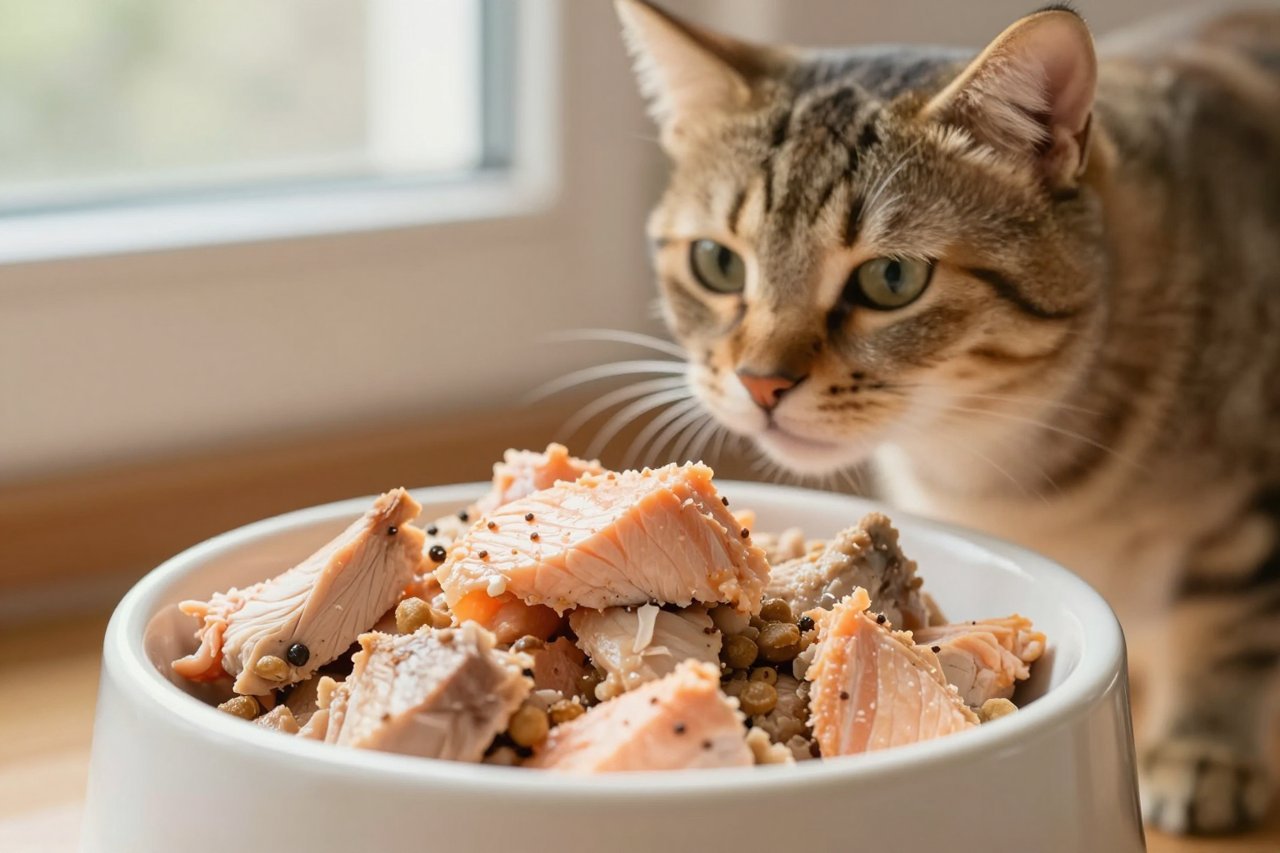
A typical high protein wet food might list deboned chicken, chicken liver, and chicken broth as the top three ingredients. An example dry formula could include chicken meal, turkey meal, and peas (though peas add protein but are plant-based). For optimal results, choose foods where the first five ingredients are mostly animal sources. A sample label: “Crude Protein (min) 45%, Crude Fat (min) 20%, Crude Fiber (max) 3%, Moisture (max) 10%.” That’s a high protein, moderate fat, low carb profile ideal for most cats.
Every cat is unique. Kittens, for instance, need even more protein than adults for growth. Pregnant or nursing queens also require higher levels. Always factor in life stage, activity, and health status. A high protein diet isn’t a magic bullet, but when chosen wisely, it can support vibrant health from whiskers to tail.


