
Table of Contents
Nitric oxide (NO) is a gas molecule your body produces to relax blood vessels, improve circulation, and regulate blood pressure. When levels drop, you might feel tired, struggle with workouts, or face higher cardiovascular risk. The good news? Certain foods can naturally boost nitric oxide production. Here’s how to eat your way to better blood flow.
How Nitric Oxide Works in the Body
Nitric oxide is produced by the inner lining of blood vessels (endothelium). It signals smooth muscle cells to relax, widening arteries and increasing blood flow. This process lowers blood pressure, improves oxygen delivery to muscles, and supports brain function. Nitric oxide also helps prevent platelet clumping and keeps blood vessels flexible.
Two main pathways generate nitric oxide: the L-arginine-NO pathway and the nitrate-nitrite-NO pathway. The first uses the amino acid L-arginine, while the second relies on dietary nitrates converted to nitrites and then to NO. Both are influenced by what you eat.
Top Nitric Oxide Boosting Foods
Leafy Greens: Arugula, Spinach, and Swiss Chard
Dark leafy greens are packed with dietary nitrates. Arugula contains especially high levels – just two cups provide about 480 mg of nitrates. Spinach and Swiss chard are also excellent sources. Eat them raw in salads or lightly steamed to preserve nitrates. Pair with vitamin C-rich foods like lemon juice to enhance conversion.

Beets: The Nitrate Powerhouse
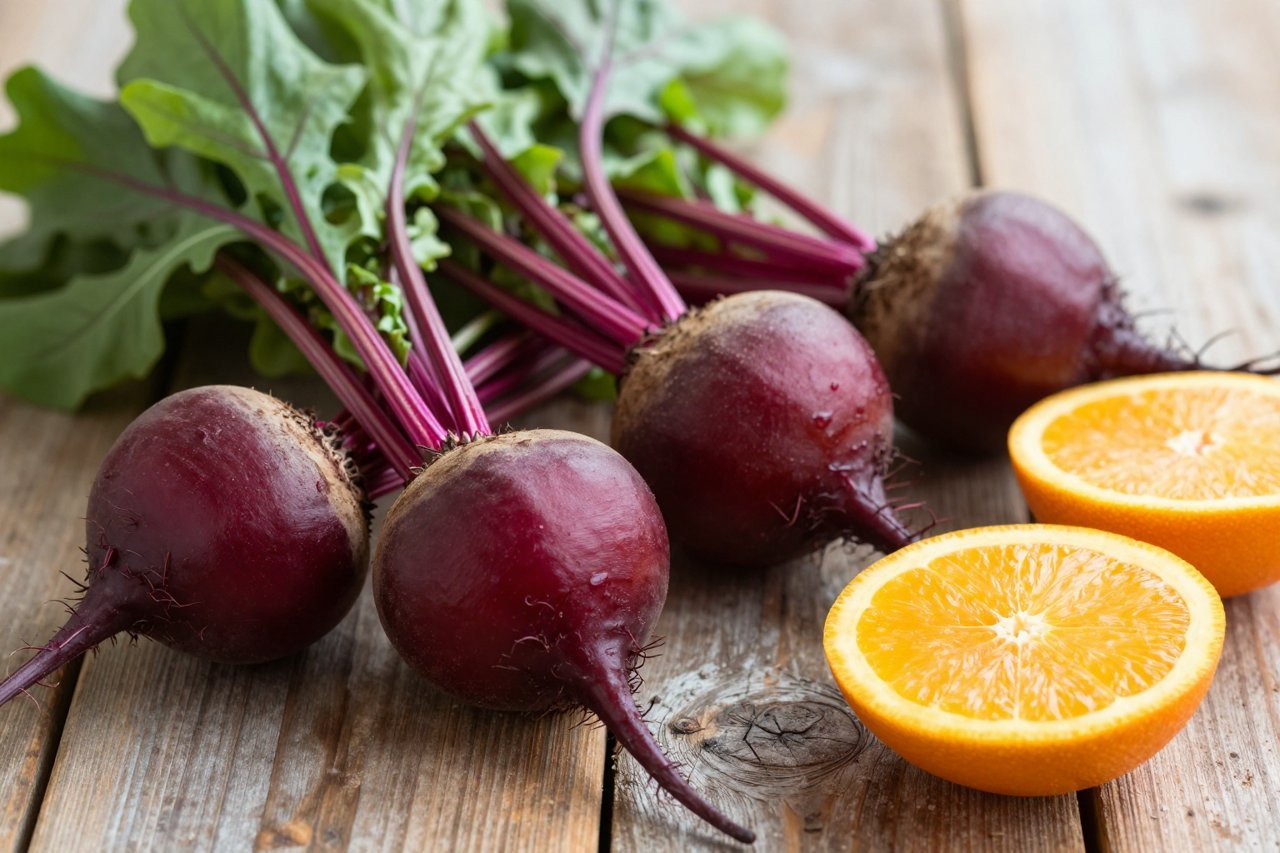
Beets have become famous for their nitrate content. One cup of raw beetroot delivers roughly 250 mg of nitrates. Studies show beet juice can lower systolic blood pressure by 4–10 mmHg within a few hours. Roast them, grate raw into salads, or drink beet juice. For a pre-workout boost, try beetroot concentrate.
Citrus Fruits and Berries
Vitamin C and antioxidants in citrus fruits (oranges, grapefruit, lemons) protect nitric oxide from destruction. Berries, especially blueberries and strawberries, contain flavonoids that boost NO production and improve endothelial function. A handful of berries with breakfast or a glass of orange juice can help.
Pomegranate
Pomegranate is rich in polyphenols that stimulate nitric oxide synthesis. One study found that drinking pomegranate juice daily for a year improved blood flow in people with heart disease. The antioxidants also reduce oxidative stress, preserving NO availability.
Nuts and Seeds: Walnuts, Almonds, and Pumpkin Seeds
Nuts provide L-arginine, the amino acid precursor to NO. Walnuts are particularly high in arginine and also contain omega-3s that support heart health. A handful of almonds or pumpkin seeds can contribute to daily arginine intake. Soak nuts to reduce enzyme inhibitors for better absorption.
Dark Chocolate
Flavanols in dark chocolate (70% cocoa or higher) increase nitric oxide production. A small square daily can improve endothelial function and lower blood pressure. Just watch the sugar content – choose low-sugar varieties.
Garlic and Onions
Garlic activates nitric oxide synthase, the enzyme that produces NO. Allicin, a compound in crushed garlic, helps relax blood vessels. Onions, especially red onions, provide quercetin, a flavonoid that boosts NO. Use them generously in cooking.
Watermelon
Watermelon contains L-citrulline, an amino acid converted to L-arginine in the kidneys. This makes it a natural NO booster. Eat the rind too – it has more citrulline than the pink flesh. Watermelon juice is a great post-exercise recovery drink.
The Nitrate vs. L-Arginine Debate
Both pathways matter, but dietary nitrates provide a more direct boost. L-arginine supplements can be less effective because arginine is largely metabolized in the gut. Getting nitrates from vegetables (beets, greens) reliably increases NO. However, a varied diet with both nitrates and L-arginine foods is ideal.
For vegetarians and vegans, nitrate-rich vegetables are especially important because they lack the heme iron that can inhibit NO production. Anyone with high blood pressure or erectile dysfunction may benefit from boosting NO through diet.
How to Maximize Nitric Oxide Production Through Diet
- Eat nitrates with vitamin C: Add lemon juice to beet salads or drink orange juice with a spinach smoothie. Vitamin C prevents nitrate conversion to harmful nitrosamines.
- Avoid mouthwash before meals: The conversion of nitrate to nitrite happens partly by oral bacteria. Using antibacterial mouthwash can reduce NO production.
- Cook gently: Boiling destroys nitrates. Steam or eat raw. For beets, roasting is fine.
- Combine with exercise: Physical activity stimulates nitric oxide release. Eating NO-boosting foods before a walk or workout amplifies the effect.
- Limit processed meats: Sodium nitrite in cured meats can interfere with NO production and may form carcinogens.
Other Lifestyle Factors That Support Nitric Oxide
Beyond diet, several habits keep NO levels high. Getting adequate sunlight prompts skin to produce vitamin D, which supports endothelial health. Read How to Get Enough Sunlight in the Winter for tips even in cold months. Quality sleep is also critical – poor sleep dysregulates nitric oxide pathways. Check out the Missing Link Between Sleep Deprivation and Immune Dysregulation to understand the connection.
Regular exercise, especially high-intensity interval training, boosts eNOS activity. Antioxidants from foods like astaxanthin protect NO from oxidative breakdown. And if you’re on beta-blockers for blood pressure, talk to your doctor about natural alternatives – see Beta-Blockers Are Useless, and Sometimes Risky, for Most Cardiac Patients for a critical perspective.
Incorporating nitric oxide foods into your daily meals is a simple, powerful way to support cardiovascular health, energy, and athletic performance. Start with beets, greens, and citrus, and build from there.


