
Table of Contents
Microneedling has become one of the most popular cosmetic procedures for a reason. It’s minimally invasive, targets a wide range of skin concerns, and delivers results that improve over time. But what exactly happens during a microneedling session, and is it right for you? This guide covers the science, the experience, and the outcomes you can realistically expect.
How Microneedling Works
The Science of Collagen Induction
Microneedling uses a device equipped with fine needles to create controlled micro-injuries in the skin. These tiny punctures trigger the body’s natural wound-healing response, which ramps up collagen and elastin production. Over the following weeks and months, the skin rebuilds itself from within, becoming firmer, smoother, and more even-toned. The principle is simple: a little controlled damage leads to a lot of beneficial repair.
What Microneedling Can Treat
Because it stimulates collagen across the board, microneedling effectively addresses multiple concerns at once. Common indications include:
- Fine lines and wrinkles, especially around the eyes and mouth
- Acne scars and other types of scarring
- Enlarged pores and uneven texture
- Stretch marks on the abdomen, thighs, or arms
- Mild to moderate skin laxity
- Hyperpigmentation and melasma (often paired with topical brighteners)
For a comprehensive overview of how microneedling fits into an anti-aging strategy, see our Anti-Aging Treatments guide.

The Procedure: What to Expect
Before the Needles
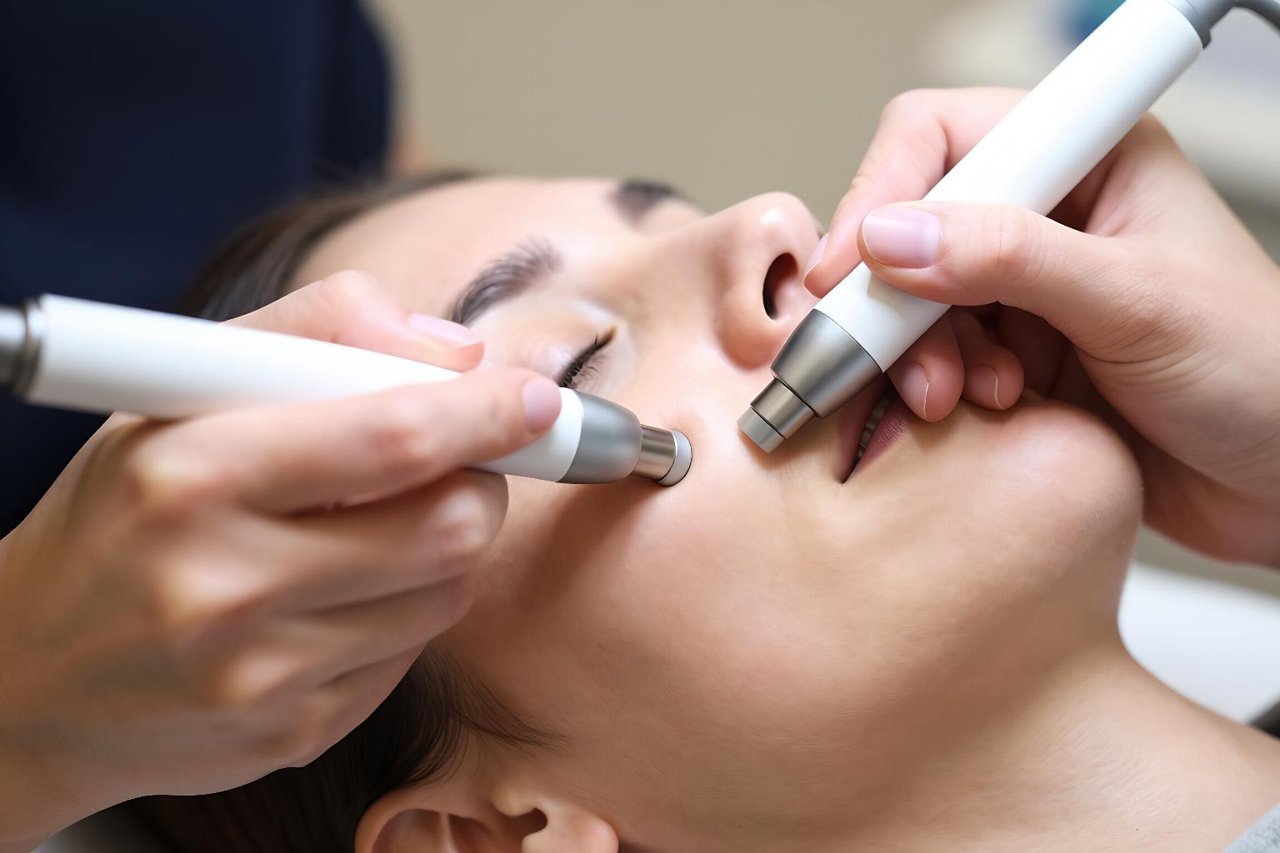
About 30 to 60 minutes before your session, a numbing cream is applied to the treatment area. Once you’re comfortable, the provider cleanses your skin and glides a sterile microneedling pen (or roller) across the skin in a systematic pattern. The needle depth is adjusted based on the area: thinner skin around the eyes gets shallower treatment, while thicker scar tissue may require deeper penetration.
During the Session
You’ll feel a mild prickling or vibrating sensation, but the numbing cream keeps it tolerable. A typical full-face session takes about 30 minutes. Many clinics also apply a calming serum or platelet-rich plasma (PRP) during the procedure to enhance results and soothe the skin.
Right After
Your face will look and feel like a moderate sunburn — red, warm, and slightly tight. This is normal and usually subsides within 24 to 48 hours. Some pinpoint bleeding may occur, especially if deeper treatment was performed.
Recovery and Aftercare
The First Few Days
For the first 24 hours, avoid makeup, sweating, and touching your face. Cleanse gently with lukewarm water and a mild, non-exfoliating cleanser. Apply a soothing moisturizer or barrier repair balm as directed. Sunscreen is non-negotiable — the new skin is highly vulnerable to UV damage.
Days 3 to 7
Around day three, your skin may start to flake or peel lightly as it renews. This is a good sign. Continue with gentle skincare and resist picking at any flakes. Most people feel comfortable returning to normal activities by day four, though slight pinkness can linger up to a week.
Long-Term Results
Collagen remodeling is a slow process. You’ll start noticing improvements in texture and firmness about four to six weeks after your first session, with continued gains for up to six months. Most people need three to six sessions spaced four to six weeks apart for optimal results.
Potential Risks and Side Effects
Microneedling is generally safe when performed by a trained professional, but it does carry some risks. Expect temporary redness, swelling, and pinpoint bleeding. More serious complications include infection (if equipment isn’t sterile), scarring (from overly aggressive treatment), and pigmentation changes in darker skin tones if done incorrectly. If you’re considering radiofrequency microneedling, be aware of specific device-related issues — read about complications with RF microneedling devices to stay informed.
At-Home Microneedling vs. Professional Treatments
At-home derma rollers and pens exist, but they operate at shallower depths and come with a higher risk of infection or uneven results if you’re not careful. Professional treatments use medical-grade sterile needles and can reach the deeper dermis where collagen really forms. For a balanced look at DIY options, check out our guide on what to know before trying at-home microneedling. The bottom line: home devices can improve product absorption and mild texture, but they won’t give you the dramatic collagen kick of an in-office procedure.
Combining Microneedling with Other Treatments
Microneedling pairs beautifully with other modalities. Adding radiofrequency energy (RF microneedling) tightens skin more aggressively — learn about RF microneedling costs, risks, and benefits. PRP (the “vampire facial”) involves applying your own platelet-rich plasma post-needling to further accelerate healing. You can also layer targeted serums, like vitamin C or hyaluronic acid, which penetrate deeper thanks to the micro-channels. Some topical products even claim to mimic microneedling effects — one example is the first U.S. product described as “microneedling-in-a-bottle” serum.
How to Choose a Provider
Selecting the right professional is essential for safety and results. Look for a licensed medical professional — a dermatologist, plastic surgeon, or experienced nurse practitioner. Ask about the device brand, needle sterilization protocols, and how they customize depth to your skin type and concerns. A good provider will also set realistic expectations: microneedling is a gradual process, not a quick fix. During your consultation, don’t hesitate to ask about their experience with your specific skin tone or condition. And remember, cheap deals often mean corners cut on safety.


