
Table of Contents
When you’re eating low-carb—whether for keto, diabetic management, or just cutting back on starchy foods—vegetables can be a tricky area. They’re packed with vitamins and fiber, but some are surprisingly high in carbs. That’s why knowing the lowest carb vegetables is essential for staying within your daily limits while still loading up on nutrients.
In this guide, I’ll break down the best options by net carbs, share practical ways to include them, and explain why these veggies deserve a permanent spot on your plate.
Why Net Carbs Matter for Low-Carb Diets
Most low-carb plans track net carbs, which is total carbohydrates minus fiber. Fiber isn’t digested, so it doesn’t spike blood sugar. That means vegetables with high fiber—like leafy greens—are often lower in net carbs than their total carb count suggests. For example, a cup of cooked kale has about 6 grams of total carbs but 3 grams of fiber, leaving only 3 grams of net carbs. That’s a big difference.
When you’re building a low-carb meal, aim for vegetables that deliver the most nutrients per gram of net carb. The ones on this list are the stars of that equation.

The 15 Lowest Carb Vegetables (Ranked by Net Carbs)
All values are for 100 grams (about 3.5 ounces) raw unless noted. Net carbs = total carbs minus fiber.
- Iceberg Lettuce — 1.0 g net carbs, 0.9 g fiber. Crisp and hydrating, perfect for wraps and salads. Its mild flavor makes it a blank canvas for higher-fat toppings like avocado or grilled chicken.
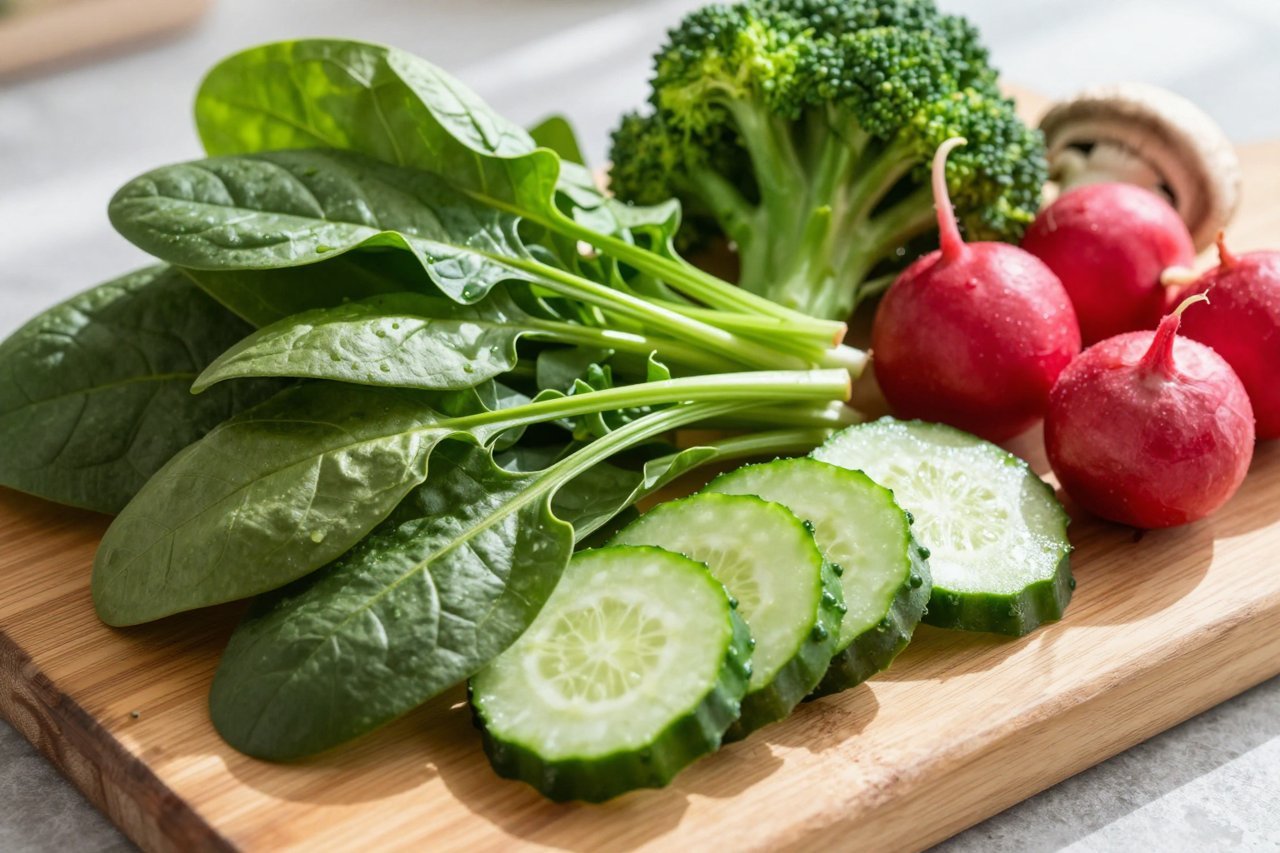
- Spinach — 1.4 g net carbs, 2.2 g fiber. A powerhouse of iron and vitamins. Use it raw in salads or sauté it with garlic and olive oil. One cup of cooked spinach shrinks to almost nothing, so you can eat a whole bag without worry.
- Arugula — 2.1 g net carbs, 1.6 g fiber. Peppery and bold, arugula adds flavor without carbs. Toss it with lemon juice, Parmesan, and pine nuts for a quick side dish.
- Celery — 1.8 g net carbs, 1.6 g fiber. Crunchy and low in calories. Stuff it with cream cheese or peanut butter for a satisfying snack. Plus, celery is mostly water, so it’s hydrating.
- Radishes — 2.0 g net carbs, 1.6 g fiber. Spicy and crisp. Slice them thin for salads or roast them until tender—they lose their bite and turn sweet. A surprising alternative to potatoes.
- Cucumber — 2.2 g net carbs, 0.5 g fiber. Refreshing and versatile. Peel it if you prefer less fiber, or keep the skin for extra crunch. Cucumber slices work great as a dip vehicle.
- Zucchini — 2.1 g net carbs, 1.0 g fiber. A low-carb cook’s best friend. Spiralize it into noodles, grate it for fritters, or slice and grill. One medium zucchini has about 3 grams of net carbs.
- Cauliflower — 2.9 g net carbs, 2.0 g fiber. The master of substitution. Rice it, mash it, or roast it whole. Cauliflower absorbs flavors well and can mimic starches like rice or potatoes. A cup of cauliflower rice has only 2 to 3 grams of net carbs.
- Broccoli — 3.5 g net carbs, 2.4 g fiber. High in fiber and vitamin C. Steam or roast with olive oil and garlic. A cup of chopped broccoli has about 2 grams of net carbs—a fantastic value for the nutrients.
- Green Cabbage — 3.3 g net carbs, 1.7 g fiber. Cheap and long-lasting. Use it for coleslaw, stir-fry, or stuffed cabbage rolls. Fermented as sauerkraut, it becomes a probiotic powerhouse with even lower net carbs.
- Mushrooms (White) — 2.3 g net carbs, 0.6 g fiber. Technically fungi, but they count as veggies in the kitchen. Sauté for umami richness add to omelets or stir-fries. Portobello caps make great burger buns.
- Asparagus — 2.4 g net carbs, 2.1 g fiber. Tender spears are early spring’s gift. Roast or grill with lemon and butter. Six medium spears contain only about 2 grams of net carbs.
- Green Beans — 3.8 g net carbs, 2.7 g fiber. Slightly higher but still low net carbs when you subtract fiber. Steam them and toss with slivered almonds and a dash of homemade jalapeño salt for a spicy-pop twist.
- Kale — 3.6 g net carbs, 2.0 g fiber. Nutritional powerhouse – high in vitamins A, C, and K. Massage raw leaves with olive oil to soften them for salads, or bake into crispy chips. Just watch portion sizes because it’s denser than other greens.
- Green Bell Pepper — 2.9 g net carbs, 1.7 g fiber. Less sweet than red or yellow, so lower in sugar. Chop into stir-fries, stuff with ground meat and cheese, or dip into ranch dressing.
How to Make the Most of Low-Carb Vegetables
Getting the most out of these veggies is all about preparation. Steaming or roasting preserves their texture and nutrients. Avoid deep-frying in batter, which adds unnecessary carbs from flour. Instead, coat them with olive oil and herbs, then roast at 400°F until edges brown.
For flavor without carbs, use spices, citrus, vinegar, or compound butters. A sprinkle of homemade jalapeño salt can transform bland vegetables into something crave-worthy. The heat complements the natural sweetness of roasted cauliflower or green beans perfectly.
Another tip: pair vegetables with healthy fats like avocado, olive oil, or nuts. Fat improves absorption of fat-soluble vitamins (A, D, E, K) and keeps you full longer. A spinach salad with sliced avocado and a vinaigrette is a low-carb meal in itself.
Why Going Low-Carb with Veggies Boosts Overall Health
Choosing low-carb vegetables isn’t just about cutting carbs—it’s about crowding out ultraprocessed foods linked to measurable drops in human attention span and other health issues. Whole vegetables provide fiber, micronutrients, and antioxidants that support gut health, reduce inflammation, and stabilize blood sugar. By centering your plate on these low-carb options, you naturally limit room for refined grains and sugary snacks.
And don’t overlook the psychological benefit: when you eat a colorful variety of vegetables, you feel satisfied rather than deprived. That’s a sustainable approach to low-carb living.
If you enjoy a touch of fruit on occasion, a few blueberries can work on a low-carb diet. Check out our post on 10 blueberry benefits plus the most delicious blueberry recipe ever for inspiration—though vegetables should still be your primary source of low-carb produce.
Sample Low-Carb Vegetable Meal Ideas
Ready to cook? Here are three quick meals built around these veggies:
- Breakfast: A two-egg omelet filled with sautéed spinach, mushrooms, and shredded cheddar. Serve with a side of cucumber slices sprinkled with salt.
- Lunch: Large lettuce wraps with tuna salad (canned tuna, mayo, celery, and diced radish). Wrap in iceberg leaves for a crunchy, portable meal.
- Dinner: Roasted sheet pan with cauliflower florets, broccoli tops, and chicken thighs seasoned with garlic powder and rosemary. Drizzle with olive oil before serving.
These meals hit the low-carb mark while keeping vegetables front and center. Experiment with the list above—mix and match based on what’s in season. Your carb count stays low, and your nutrient intake stays high.


