
Table of Contents
If you have psoriasis, you know the struggle of dealing with itchy, flaky patches that seem to have a mind of their own. This autoimmune condition affects around 3% of the global population, and while there is no cure, the range of psoriasis treatment options today is broader than ever. From prescription creams to targeted biologic injections, and from simple moisturisers to UV light sessions, you can find a plan that calms your skin and fits your life. The trick is knowing which approaches work best for your type and severity.
Understanding Psoriasis: Not Just Dry Skin
Before diving into treatments, it helps to recognise what you’re dealing with. Psoriasis happens when your immune system speeds up skin cell growth. Normal skin cells mature and shed in about a month, but psoriatic cells do it in just a few days. They pile up, forming thick, silvery scales and inflamed red plaques. There are several forms, with plaque psoriasis being the most common (80-90% of cases). Guttate psoriasis often appears as small, drop-shaped spots, while pustular, inverse, and erythrodermic types are rarer but more serious. Each responds a bit differently to treatment, so a proper diagnosis is step one.
Topical Treatments: First-Line Relief
For mild to moderate psoriasis, topicals are usually the starting point. They work directly on the plaques and can be used alone or with other therapies.
Corticosteroids
These anti-inflammatory creams and ointments are the backbone of topical therapy. They reduce redness, swelling, and itching. Over-the-counter 1% hydrocortisone helps thin patches, but stronger prescription strengths (like clobetasol) are needed for thicker plaques. Use them sparingly—prolonged use can thin the skin.

Vitamin D Analogues
Calcipotriene (a synthetic form of vitamin D) slows cell growth. It’s often combined with a steroid for better results. Available as a cream or ointment, it’s especially effective for stable plaques.
Coal Tar and Anthralin
Coal tar, available in shampoos and ointments, softens scales and reduces itching. Anthralin slows cell turnover but can stain clothes and skin. Both are older but still useful for stubborn areas.
Moisturisers Are Non-Negotiable
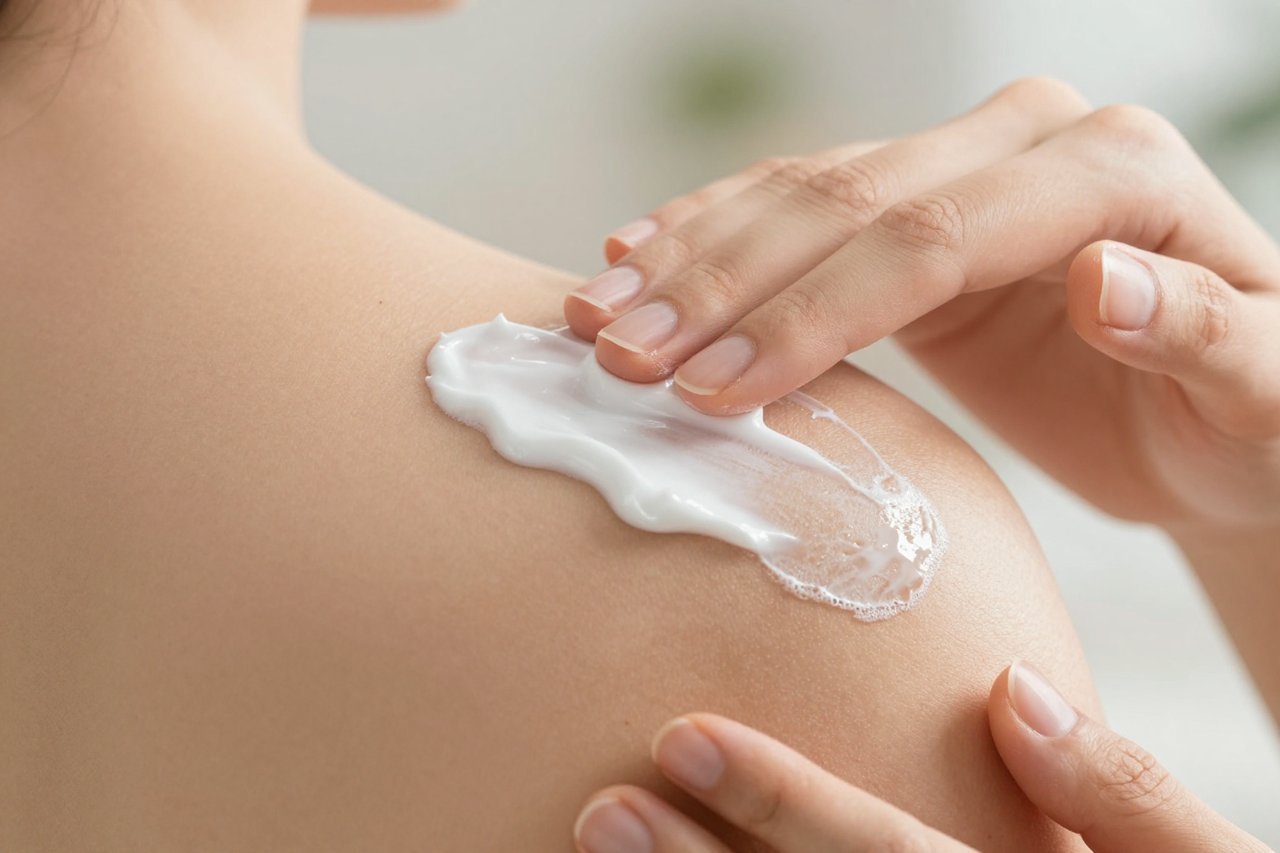
Keeping skin hydrated is crucial. Dryness worsens scaling and cracking. Look for fragrance-free, thick moisturisers. For extra dry skin, try rich body butters that lock in moisture without irritation. Regular application, especially after bathing, keeps the skin barrier intact.
- Apply moisturiser within three minutes of showering to trap water.
- Use lukewarm water, not hot.
- Avoid harsh soaps; opt for gentle, fragrance-free cleansers.
Phototherapy: Harnessing Light to Heal
When topicals aren’t enough, light therapy can be a game-changer. Ultraviolet (UV) light slows the growth of skin cells. It’s often used for moderate to severe psoriasis covering a large body area.
UVB Phototherapy
Narrowband UVB (311–313 nm) is the most common form. Sessions last a few minutes, two to three times a week in a doctor’s office or with a home unit. Many patients see clearing within 2–3 months.
PUVA
This combines a light-sensitising drug (psoralen) with UVA light. It’s more intense but effective for stubborn plaques. Hand and foot baths are available for localised psoriasis.
Always wear protective goggles during treatment. Sunburn is a risk, so your dermatologist will calculate safe exposure times.
Systemic Medications: For Severe Cases
If your psoriasis covers more than 10% of your body or hasn’t responded to other treatments, oral or injected medications may be necessary. These work throughout the body.
Biologics
Biologics target specific immune system proteins that trigger inflammation. Examples include adalimumab (Humira), secukinumab (Cosentyx), and ustekinumab (Stelara). They are given by injection or IV infusion every few weeks to months. Side effects include increased infection risk, so regular monitoring is vital.
Methotrexate and Cyclosporine
Methotrexate, a low-dose chemotherapy drug, reduces cell turnover and inflammation. Cyclosporine suppresses the immune response. Both are effective but require blood tests to monitor for liver or kidney issues. They are usually short-term options.
If you have sensitive skin from psoriasis or treatments, consider gentle skincare like hypoallergenic sprays that calm irritation without stripping moisture.
Lifestyle Adjustments That Make a Difference
While medical treatments are essential, daily habits can greatly affect flare-ups. Small changes often tip the balance.
Stress Management
Stress is a major trigger. Psoriasis itself can cause stress, creating a vicious cycle. Techniques like meditation, yoga, or even a 10-minute walk help lower cortisol levels. One study found that participants who practiced mindfulness saw a 30% reduction in flare severity.
Dietary Considerations
There’s no one-size-fits-all diet, but anti-inflammatory eating may help. Omega-3s from fatty fish, flaxseeds, and walnuts are linked to reduced inflammation. Some people avoid gluten or nightshades (tomatoes, potatoes, eggplants) if they notice a connection. Keep a food diary to spot personal triggers.
Moisturising Routine
As mentioned, moisturising is critical. Dry skin worsens plaques. Incorporate a daily dry skin routine with dermatologist-approved dry skin remedies that include gentle exfoliation and heavy emollients.
- Use humidifiers in dry climates or winter.
- Wear soft, breathable fabrics like cotton.
- Trim nails short to reduce scratching damage.
Alternative and Complementary Options
Some people explore natural remedies alongside conventional treatment. While evidence varies, a few show promise.
Aloe Vera
Topical aloe vera gel (from the plant or a pure gel) can reduce redness and scaling. Look for high-concentration products without added alcohol.
Fish Oil
Oral fish oil supplements rich in omega-3s may help decrease inflammation, especially when combined with standard therapies. Aim for 3 grams of EPA/DHA daily, but consult your doctor first due to blood-thinning effects.
Oatmeal Baths
Colloidal oatmeal soaks soothe itching and loosen scales. Add one cup of finely ground oats to lukewarm bath water and soak for 15 minutes. Pat dry and apply moisturiser immediately.
For overall skin health, choosing the right moisturiser matters. A guide to the best skin moisturiser for dry skin can help you select one that works for psoriatic skin without clogging pores or causing irritation.
Personalising Your Treatment Plan
No two people experience psoriasis the same way. What works for your friend might not work for you. That’s why working with a dermatologist is crucial. They can help you combine treatments—say, a biologic with a topical and phototherapy—for optimal results. Don’t be afraid to ask about new options, like topical PDE4 inhibitors (roflumilast) or the JAK inhibitor tofacitinib, which are expanding the toolbox. The goal isn’t just clearer skin; it’s improving your quality of life. With today’s array of psoriasis treatment choices, relief is more achievable than ever.


