
Table of Contents
The keto diet gets plenty of hype, but the reality is a bit more measured. Some people treat it as a licence to eat unlimited cheese. Others assume it means saying goodbye to fruit forever. The truth is somewhere in between. The keto diet, short for ketogenic, is a high fat, moderate protein, very low carbohydrate way of eating. When you cut carbs drastically, your liver starts converting fat into fatty acids and ketones. Once those ketones build up, your body enters ketosis. That shift from burning glucose to burning fat is what makes keto so effective for weight loss and blood sugar management.
What Exactly Is Ketosis?
Ketosis is a natural metabolic state. On a standard diet, your body relies on glucose from carbohydrates for energy. When glucose runs low, it looks for another source. The liver steps in and breaks down stored fat into ketone bodies, which can fuel the brain, muscles, and heart. To reach ketosis, most people need to keep net carbs between 20 and 50 grams per day. Net carbs are total carbs minus fibre. This level is low enough to deplete glycogen stores, usually within two to four days, though some people need a week or more. During the first few days, you might feel tired, irritable, or experience what is commonly called the keto flu. Hydration and electrolytes help. Once your body adapts, many people report steadier energy and fewer cravings.
The Keto Food List: What to Eat and What to Skip
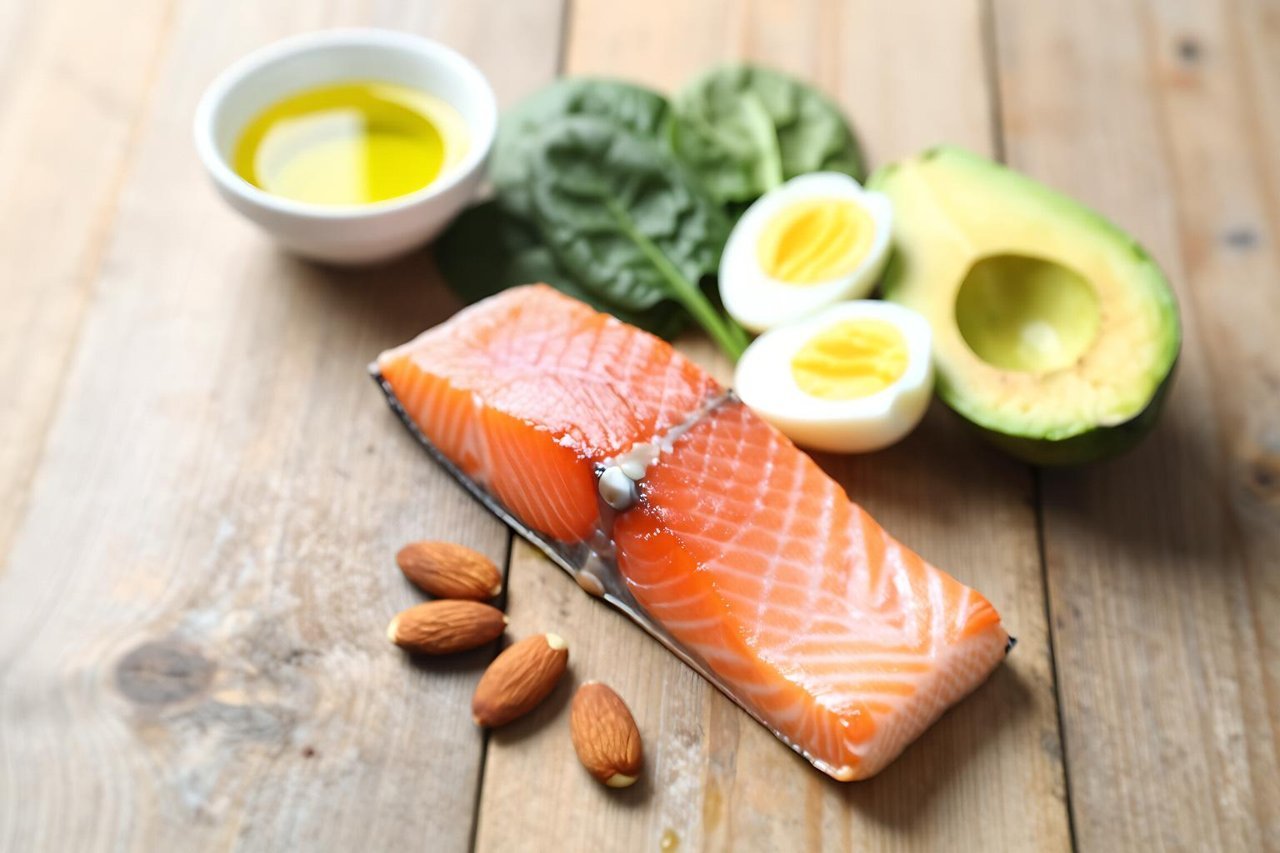
Getting into ketosis is one thing; staying there is another. The easiest way is to build meals around foods that are naturally low in carbs and high in nutrition. A well-stocked keto kitchen includes eggs, fatty fish like salmon and mackerel, chicken thighs with skin, grass fed beef, avocados, olive oil, butter, nuts, seeds, and full fat dairy. You can find a deeper breakdown in this low carb foods guide, which covers what to eat and what to skip.
Vegetables deserve special attention. Most people understand they should eat vegetables, but on keto, the carb count of each one matters. Leafy greens, broccoli, cauliflower, zucchini, and asparagus are all great choices. Starchy options like potatoes, sweet potatoes, and corn are better reserved for non-keto days. If you are looking for specific choices, check out this guide to the lowest carb vegetables for a list of 15 plus options.

Here is a quick list of keto friendly staples:
- Proteins: eggs, salmon, chicken, beef, pork, turkey
- Fats: avocado, olive oil, coconut oil, butter, ghee
- Vegetables: spinach, kale, broccoli, cauliflower, zucchini, cucumber
- Fruits: small portions of berries, mainly strawberries, raspberries, blackberries
- Nuts and seeds: almonds, macadamia nuts, pecans, chia seeds, flaxseeds
Common Keto Mistakes and How to Avoid Them
Skimping on Fat
One of the most common mistakes is not eating enough fat. Keto is a high fat diet, but many people still reach for lean chicken breast and egg whites. Without adequate fat, you will feel hungry, tired, and unlikely to stick with it. Fat is what keeps you satisfied and signals to your body that food is plentiful. Olive oil, butter, and avocado should not be afterthoughts; they are the main event.
Hidden Carbs in Sauces and Processed Foods
Hidden carbohydrates are another trap. Sauces, marinades, and processed meats often contain sugar or flour. Even a simple salad dressing can pack several grams of carbs. Read labels carefully. Ketchup has around four grams of sugar per tablespoon. Barbecue sauce can have double that.
Ignoring Electrolytes
Electrolytes play a bigger role than most people expect. When insulin levels drop, your kidneys excrete more sodium, potassium, and magnesium. This can lead to headaches, cramping, and dizziness. Adding a little extra salt to your meals and eating potassium rich foods like avocados and spinach can make a big difference.
Who Should Think Twice Before Going Keto?
Keto is not a magic bullet for everyone. People with type 1 diabetes need to be cautious because ketosis can lead to diabetic ketoacidosis, a dangerous condition. Anyone taking blood pressure medication or diabetes medication should talk to their doctor before making changes. Pregnant or breastfeeding women also have higher carbohydrate needs. Even if you do not fall into those categories, it is wise to work with a healthcare provider if you plan to follow keto for longer than a few months. The research is promising for weight loss and blood sugar control, but long term data is still limited.
Building a Keto Meal Plan That Doesn’t Bore You
Meal planning on keto can feel restrictive if you do not expand your recipe rotation. Breakfast is the easiest place to start. You can have eggs cooked in butter with spinach and cheese, or a smoothie with unsweetened almond milk, half an avocado, and a scoop of collagen powder. For a broader set of ideas, these healthy breakfast food ideas work well even when you are avoiding carbs.
For lunch, a salad with grilled chicken, avocado, olive oil, and pumpkin seeds is satisfying. Dinner could be a salmon fillet with roasted cauliflower and a side of garlic butter. Snacks do not need to be complicated: cucumber slices with cream cheese, a handful of almonds, or celery with peanut butter. Just check the peanut butter label for added sugar.
Some keto eaters also add nutrient dense powders to smoothies or yogurt. Spirulina is one example; it brings protein, iron, and B vitamins to the table without turning your meal into a carb fest. If you are curious about the benefits and possible side effects, take a look at this spirulina supplement deep dive.
A simple weekly plan might look like this:
- Monday: scrambled eggs with cheese and spinach, chicken thigh salad for lunch, beef stir fry with broccoli for dinner
- Tuesday: Greek yogurt with raspberries and walnuts, tuna lettuce wraps, pork chops with green beans
- Wednesday: mushroom omelette, leftover beef stir fry, baked cod with asparagus
- Thursday: keto smoothie, chicken Caesar salad (no croutons), turkey meatballs with zucchini noodles
- Friday: eggs and bacon, salmon salad, shrimp with cauliflower rice


