
Table of Contents
Choosing a dog that can guard your home and family takes careful thought. The breed you pick needs more than size or a deep bark. It needs the right temperament, trainability, and a strong bond with you. A true guard dog is confident without being aggressive, alert without being reactive, and loyal enough to put itself between you and danger. While no breed comes with a guarantee, these seven have a proven track record of protecting people and property, while still being capable of fitting into family life.
When I compare canines, I look at real-world working ability and how the dog behaves once the work day is over. If you are still deciding between different types, you might find the top 7 dog breeds in the world a useful starting point before you narrow it down to one of my picks below.
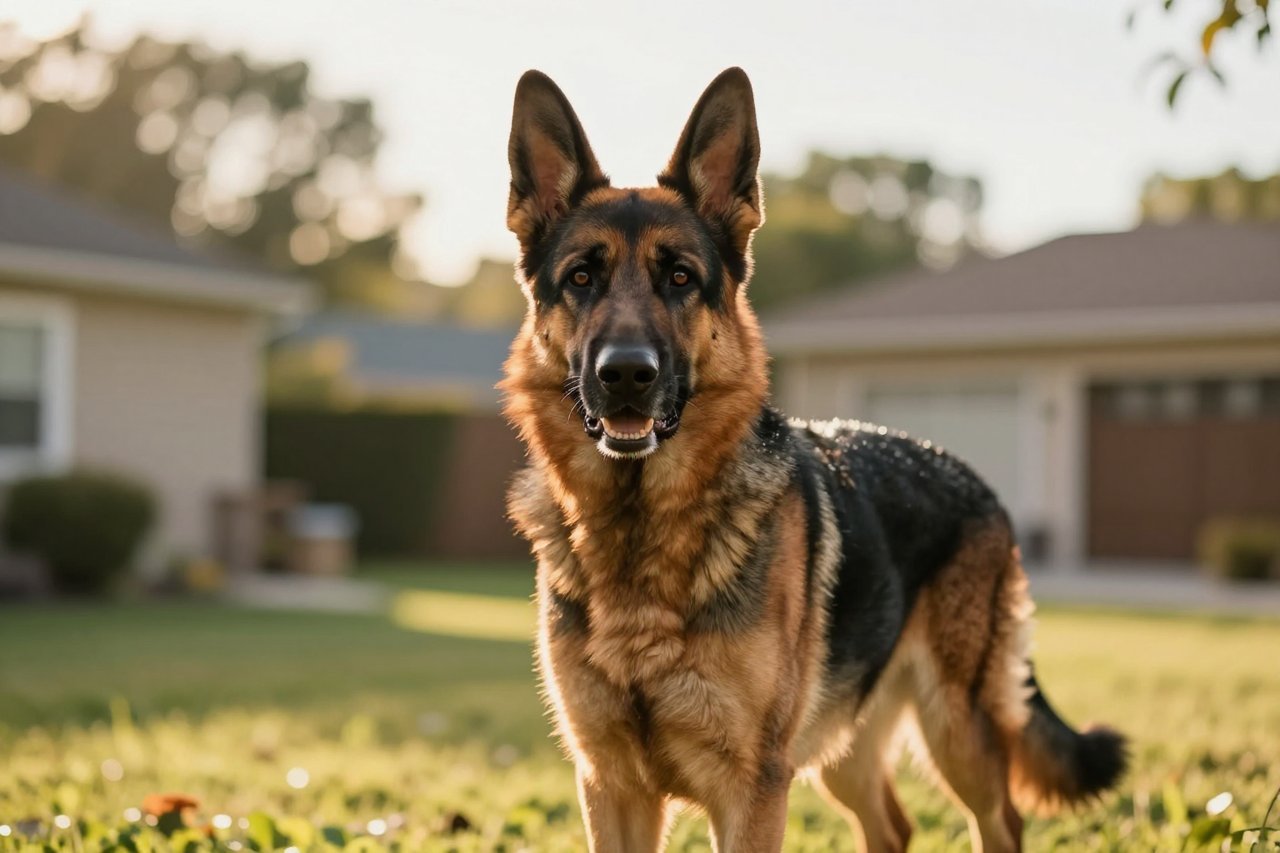
German Shepherd: The All-Around Guardian
The German Shepherd is the first dog most people picture when they think of protection. Originally bred to herd sheep, they were quickly adopted by police and military forces in the First World War, and they have been a staple of security work ever since. Intelligence is a big part of why they are so reliable. German Shepherds consistently rank among the smartest dog breeds in the world, which makes them highly trainable in obedience, tracking, and personal protection.
They typically weigh 50 to 70 pounds, with a sturdy frame that can be intimidating without being overly massive. German Shepherds are loving and playful with their own families, and they are usually good with children when raised with them. They do shed a lot, so expect to vacuum often. More importantly, they need daily exercise and mental challenges. A bored German Shepherd can become a nervous wreck, so a job or a demanding routine is essential.

Rottweiler: The Confident Protector
Rottweilers have a reputation that makes them a favourite for people who want a serious deterrent. Descended from Roman cattle herding dogs and later used by butchers to haul carts, the Rottweiler is calm, self-assured, and incredibly strong. Adult males can push 120 pounds, so this is not a dog you can train half-heartedly.
What many people don’t expect is how affectionate Rottweilers are with their families. They’re often described as gentle with everyone inside their pack, and they’re known for a patient, almost clownish side with children. Even so, it’s a smart practice to teach children to ask the dog if they want to be petted before any interaction, especially with a large breed like this. A well-bred Rottweiler will assess a situation before acting, and they can be trusted to protect a home without constant barking. They do need early socialization and a confident owner who sets clear rules, or their natural protectiveness can veer into overprotectiveness.
Belgian Malinois: The Athletic Guardian
The Belgian Malinois has become the go-to choice for police, military, and private security teams around the world. They look like a slim German Shepherd, but they are a different animal in terms of drive. These dogs were bred for herding and they have an almost obsessive work ethic. If you want a dog that can jump fences, track scents, and respond to a whistle from forty metres away, a Malinois is it.
That intensity is also the catch. Malinois are not a good fit for a first-time dog owner or a family that is gone all day. They need several hours of vigorous exercise every day, plus mental games like sniffing, chasing, or obedience practice. When they have a job, they are devoted companions. Without one, they can become destructive and anxious. If you’re prepared to put in the effort, they will protect you with a level of commitment few other breeds can match.
Doberman Pinscher: The Elegant Guardian
Dobermans were created in Germany by a tax collector who wanted a dog that would protect him while he made his rounds. The result is a sleek, powerful, fearless animal that stands 24 to 28 inches tall and weighs between 60 and 100 pounds. Dobermans are known for their speed and agility, and they have a natural guarding instinct that kicks in without excessive barking.
They are also surprisingly trainable and loyal to their families. A well-socialized Doberman is gentle with kids and friendly with visitors once you give the “all clear.” They pick up commands quickly and excel in sports like agility and obedience. The main requirement is consistent leadership and daily exercise. Because they bond so strongly, they can be prone to separation anxiety if left alone for long stretches.
Bullmastiff: The Silent Watchdog
If you want a dog that deters intruders without barking at every leaf that blows, the Bullmastiff is hard to beat. Originally bred by gamekeepers to catch poachers, this breed was selected for power and quiet courage. A full-grown Bullmastiff can weigh more than 130 pounds, and they tend to rely on sheer presence rather than noise to warn off strangers.
Bullmastiffs are surprisingly mellow and affectionate at home. They are calm with children and generally get along with other pets when introduced early. They don’t need as much exercise as, say, a Malinois, but they do require regular walks to keep them from becoming lazy and overweight. Training should be firm and consistent, but never harsh; they respond best to steady, positive methods. Their short muzzle also means they can overheat in hot weather, so plan your outdoor time accordingly.
Giant Schnauzer: The Fearless Workhorse
The Giant Schnauzer is a less common choice but an extremely capable one. This breed has been used in Germany for cattle driving, brewery security, and as a police dog. They are large, with males reaching over 100 pounds, and they carry themselves with a confidence that makes most people think twice.
Giant Schnauzers are intelligent and energetic. They need a lot of physical and mental activity, and they can be stubborn if they sense you’re not in charge. For a confident, experienced owner, they are loyal and playful family protectors. They have a thick wiry coat that needs regular grooming, and they shed surprisingly little. If you invest the time in socialization and obedience, they will be a fierce guardian and a devoted companion.
Cane Corso: The Italian Guardian
The Cane Corso is an ancient Italian breed, descended from the Roman molossus war dogs. They were used on farms and in hunting to guard property and catch large game. Today, they are prized for their imposing appearance and unwavering loyalty. Cane Corsos weigh anywhere from 80 to 120 pounds and have a broad, powerful head that commands attention.
With their family, Cane Corsos are often quiet and gentle, and they can be exceedingly affectionate with kids. They are also highly intelligent and trainable, but they need a strong leader who can set boundaries early. They are naturally suspicious of strangers and will protect the property and people they love without hesitation. Like the Bullmastiff, they have a brachycephalic face, so watch them in heat and avoid over-exertion. Early socialization with other dogs and people is non-negotiable.
Training and Socialization Are the Real Keys to a Guard Dog
No matter which of these breeds you pick, a well-balanced temperament doesn’t appear by coincidence. All of these dogs need early exposure to different people, places, and sounds. The goal is to teach them that strangers can be neutral, not automatically dangerous, while still responding to a command to protect. Without this groundwork, even a well-bred guardian can become reactive or overly suspicious. If you’re already seeing signs of anxiety or aggression, the answers in our reactive and fearful dogs guide might save you a lot of stress.
Positive reinforcement training works best with these breeds. They are intelligent and want to work with you, but harsh punishment can damage their trust. Research has shown that play improves your relationship with your dog, which makes training faster and more effective. Set aside time each day for fetch, tug, or structured play that builds your bond and reinforces your role as the one in charge.
Finally, know that a guard dog is a responsibility, not just a status symbol. These breeds need regular exercise, veterinary care, and consistent leadership for their entire lives. If you can offer that, they will reward you with a level of loyalty that is hard to describe.


