
Table of Contents
That deep cough that rattles your chest. A fever that spikes at night and refuses to break. The kind of exhaustion that makes walking from the sofa to the kitchen seem like a marathon. Pneumonia often starts as a “just a cold” and turns into something far more serious.
The good news? Pneumonia treatment has come a long way. Most people recover fully at home with rest, fluids, and the right medication. But the key is knowing exactly what kind of pneumonia you’re dealing with, because treatment varies dramatically.
Step One: Pin Down the Cause
Pneumonia is not one single disease. It’s an infection of the tiny air sacs in your lungs that can be triggered by bacteria, viruses, or even fungi. Before any treatment plan makes sense, your doctor needs to identify the culprit.
Bacterial pneumonia is commonly treated with antibiotics. Viral pneumonia doesn’t respond to antibiotics at all. And fungal pneumonia, though rare, requires antifungal medication. That’s why you shouldn’t ever “borrow” antibiotics from a friend who had pneumonia last month.

If you’re not sure what to look for, this comprehensive guide on pneumonia causes, symptoms, treatment, and prevention walks through the early warning signs and risk factors.
Bacterial Pneumonia: Antibiotics Are the Backbone
If your doctor confirms bacterial pneumonia, you’ll likely go home with a prescription for amoxicillin, azithromycin, or doxycycline. These drugs work by killing the bacteria multiplying in your lung tissue. Most courses last between five and seven days, but you must finish every single dose, even if you feel better after two.
Why? Stopping early can leave the strongest bacteria alive, and those survivors can multiply into a strain that’s resistant to the same antibiotic.
Within 48 to 72 hours, you should notice your fever dropping and your cough loosening. If you don’t feel any better by then, call your doctor. It can be a sign that the bacteria are resistant, or that you’re actually dealing with a virus.
Viral Pneumonia: Supportive Care Is the Main Event
Most cases of viral pneumonia are mild. They start like the flu, with fever, a dry cough, and muscle aches. Since antibiotics don’t touch viruses, the treatment focuses on letting your immune system do the heavy lifting.
That means bed rest, plenty of fluids, and medication for fever. In some cases, especially if the flu virus is the cause, an antiviral drug like oseltamivir (Tamiflu) can shorten the illness. It works best when started within the first 48 hours.
COVID-19 also causes viral pneumonia. During the pandemic, doctors learned that some patients need steroids like dexamethasone to dampen the immune overreaction that damages lung tissue. For an overview of how that unfolded, check out this article on coronavirus symptoms, treatment, and the latest case trends.
When Does Pneumonia Require Hospital Care?
Most people can stay home, but certain warning signs mean it’s time to pack a bag. Trouble breathing, a bluish tint to your lips, confusion, or a fever that stays above 39°C (103°F) despite medication should send you to the emergency room.
In the hospital, treatment shifts to IV antibiotics, supplemental oxygen, and sometimes a machine to help keep your airway clear. Older adults, especially those over 65, and people with heart disease, diabetes, or a compromised immune system are more likely to need this level of care.
What You Can Do at Home to Feel Better Faster
Whether you’re treating bacterial or viral pneumonia, several home measures make a real difference. These won’t cure the infection, but they’ll help you recover more comfortably.
- Take acetaminophen or ibuprofen for fever and chest pain, but follow the label closely and avoid combining them without asking a doctor.
- Drink at least eight to ten cups of water, clear broth, or warm tea daily. Hydration thins the mucus in your lungs, making it easier to cough out.
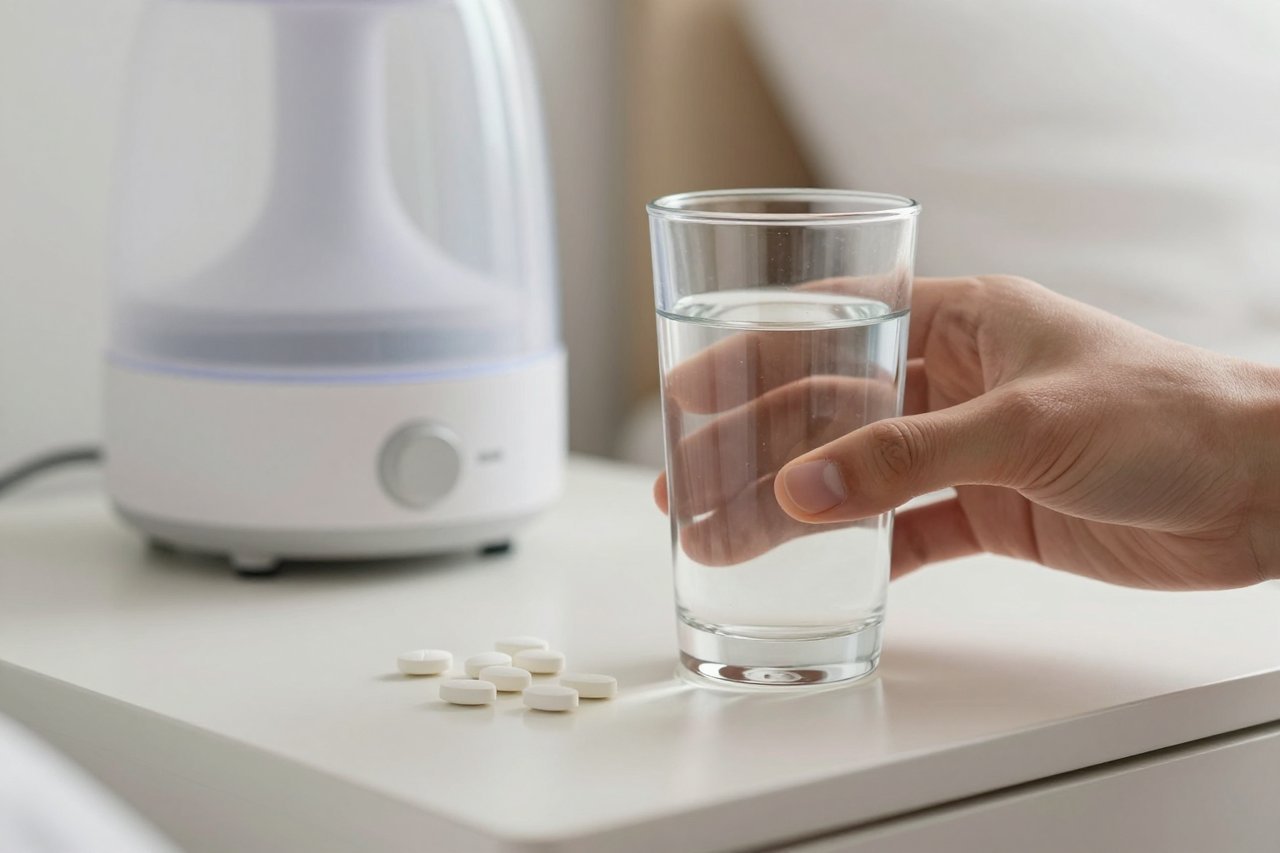
- Run a cool-mist humidifier in your room. Dry air irritates the already inflamed airways and makes coughing harder.
- Sleep propped up with an extra pillow. Being slightly upright helps your chest expand and loosens congestion.
- Skip cough suppressants if you’re bringing up phlegm. A cough is the body’s way of clearing out infected material. Suppressing it can keep bacteria lingering in your lungs.
What About Cough Suppressants?
Many people reach for a bottle of cough syrup the moment symptoms start. But if you’re producing phlegm, the cough is your friend. Suppressing it keeps the infected mucus in your lungs. If the cough is dry and keeps you awake at night, you can use a suppressant sparingly, but always ask your doctor first.
Warm compresses on your chest can also ease muscle aches, and honey mixed into lemon water is a time-tested way to calm a scratchy throat.
Pneumonia vs. Bronchitis: Know the Difference
It’s easy to confuse pneumonia with bronchitis, because both involve a cough and congestion. But bronchitis affects the larger airways, while pneumonia goes deeper into the air sacs. Pneumonia is more likely to cause a high fever, chills, and shortness of breath, and you might hear a crackling sound when you breathe in.
If your symptoms are less intense and your cough has lasted for weeks, the issue might be bronchitis. This article on bronchitis treatment that works from home remedies to medical care explains the distinction and what actually clears up that lingering cough.
Special Groups Need Adjusted Care
Children and older adults don’t always show the classic symptoms. A child with pneumonia might just be cranky and breathing faster than normal. An older adult might not spike a high fever at all; instead, they could become confused or lethargic.
For these groups, treatment is often more cautious. Doctors may start with a different antibiotic, or they may insist on a chest X-ray sooner. Pregnant women also need careful consideration, since some antibiotics, like doxycycline, are not safe during pregnancy.
Recovery: What to Expect Over the Next Weeks
Even with proper treatment, a full recovery takes time. Your fever should break within a few days, but the cough can linger for two to three weeks. You’ll likely feel unusually tired for a month or more. That’s normal.
For people who spent time in intensive care, recovery can stretch to two or three months. A gradual return to activity, much like the step-by-step approach used in stroke recovery treatment from hospital to home, rebuilds lung strength and stamina without overdoing it.
The single most important thing you can do is listen to your body. If you try to jump back into your full routine as soon as the fever breaks, you’ll likely relapse or extend your recovery. Take the full course of medicine, schedule a follow-up appointment, and when your doctor says your lungs are clear, you’ll know you’ve made it.


