
Table of Contents
Unlocking Radiant Skin: Your Definitive Guide to Hyperpigmentation Treatment
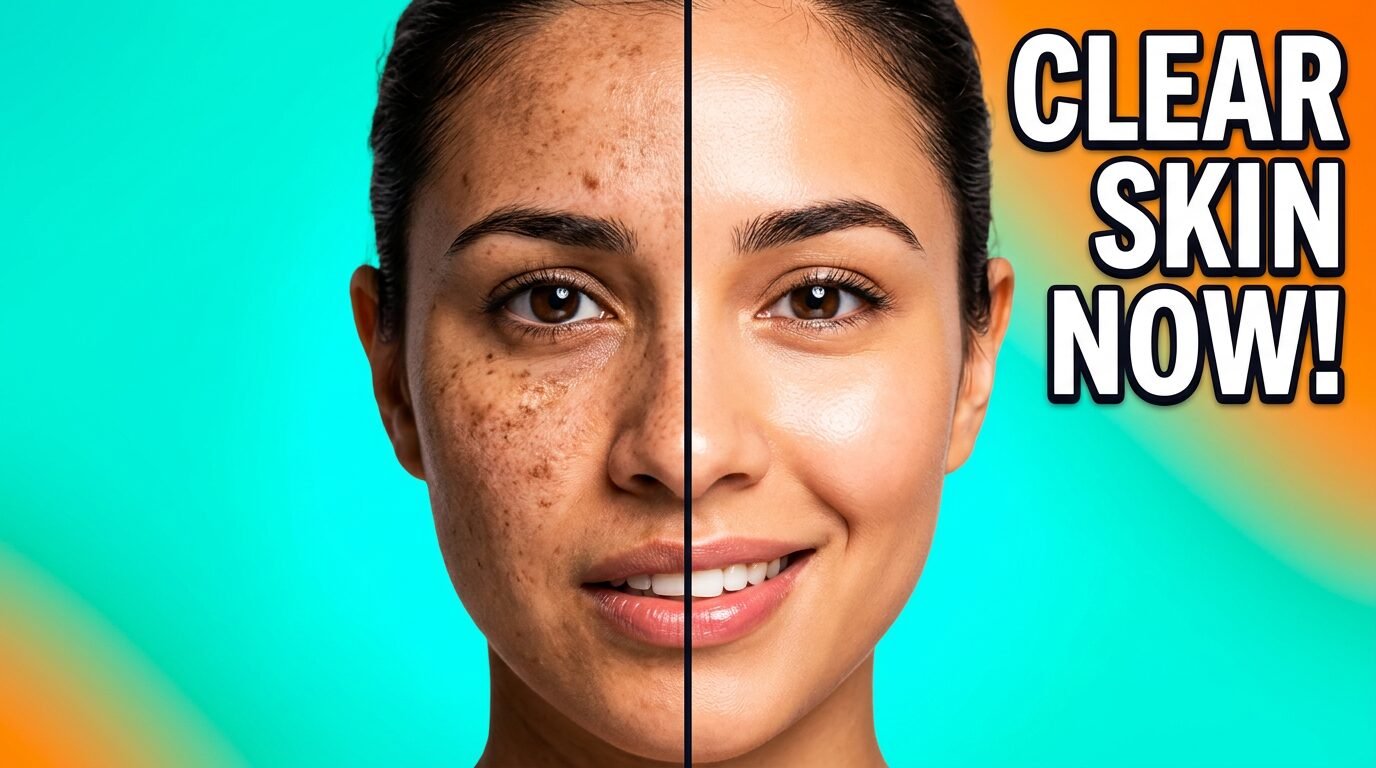
Hyperpigmentation, the common skin condition characterized by the darkening of certain areas of the skin, can be a source of frustration for many. Whether it manifests as sun spots, melasma, or post-inflammatory hyperpigmentation, the pursuit of an effective **hyperpigmentation treatment** plan is a shared goal for those seeking a more even and luminous complexion. This comprehensive guide delves into the science, the solutions, and the strategies for reclaiming clear, vibrant skin.
Key Takeaways
- Hyperpigmentation results from excess melanin production, often triggered by sun exposure, inflammation, or hormones.
- **Topical treatments** like hydroquinone, retinoids, AHAs, Vitamin C, and niacinamide are foundational for mild to moderate cases.
- **In-office procedures** such as chemical peels, laser therapy (IPL, fractional), microneedling, and microdermabrasion offer more intensive solutions.
- **Sun protection** (SPF 30+, hats, shade) is the most critical preventative and maintenance step for any **hyperpigmentation treatment** plan.
- A personalized approach, often involving a combination of therapies prescribed by a dermatologist, yields the best and most sustainable results.
- Patience and consistency are paramount, as significant improvements in hyperpigmentation can take weeks to months.
Understanding the Root Cause: Why Hyperpigmentation Occurs
Before diving into **hyperpigmentation treatment**, it’s crucial to understand its origin. Hyperpigmentation is essentially an overproduction of melanin, the pigment responsible for skin, hair, and eye color, by specialized cells called melanocytes. This excess melanin can be deposited in various layers of the skin, leading to darkened patches.
Common Types of Hyperpigmentation
- Sun Spots (Lentigines): Caused by prolonged sun exposure, these flat, brown or black spots commonly appear on sun-exposed areas like the face, hands, and arms.
- Melasma: Often hormonally influenced, melasma presents as symmetrical brown or grayish-brown patches, primarily on the face. It’s frequently associated with pregnancy (the “mask of pregnancy”) or oral contraceptive use.
- Post-Inflammatory Hyperpigmentation (PIH): This type occurs after skin injury or inflammation, such as acne breakouts, eczema, or cuts. As the skin heals, it leaves behind a darkened mark.
The Cornerstone of Hyperpigmentation Treatment: Topical Solutions
Topical agents are often the first line of defense in any **hyperpigmentation treatment** regimen, working to inhibit melanin production, accelerate cell turnover, or both.
Hydroquinone: The Gold Standard
Hydroquinone is a potent skin-lightening agent often considered the most effective topical **hyperpigmentation treatment**. It works by inhibiting tyrosinase, an enzyme crucial for melanin synthesis. Available in prescription strengths (2-4%) and some over-the-counter formulas, it requires careful use due to potential side effects like irritation or paradoxical darkening (ochronosis) with prolonged, unsupervised use.

Retinoids: Accelerating Cell Turnover
Derived from Vitamin A, retinoids (e.g., tretinoin, retinol, adapalene) are powerful allies in **hyperpigmentation treatment**. They accelerate skin cell turnover, helping to shed pigmented cells more quickly, while also inhibiting melanin production and improving overall skin texture. Prescription-strength tretinoin is particularly effective.
Alpha Hydroxy Acids (AHAs) and Beta Hydroxy Acids (BHAs): Gentle Exfoliation
AHAs (glycolic acid, lactic acid) and BHAs (salicylic acid) work by gently exfoliating the skin’s surface, helping to remove dead, pigmented cells. This process reveals fresher, less pigmented skin beneath. While less potent than hydroquinone or retinoids, they are excellent for milder hyperpigmentation and as supporting agents in combination therapies.
Vitamin C: Brightening and Antioxidant Power
A powerful antioxidant, Vitamin C (ascorbic acid) not only brightens the skin by inhibiting tyrosinase but also protects against further damage from UV exposure and environmental pollutants. It’s an essential component of many preventative and **hyperpigmentation treatment** routines.
Niacinamide and Tranexamic Acid: Emerging Stars
Niacinamide (Vitamin B3) helps reduce the transfer of melanin from melanocytes to keratinocytes, thereby reducing visible pigmentation. Tranexamic acid, initially used orally, is now gaining traction as a topical **hyperpigmentation treatment**, particularly for melasma, by reducing inflammatory pathways that trigger pigmentation.
Natural Brighteners: Kojic Acid, Azelaic Acid, Licorice Root
These ingredients offer milder skin-lightening benefits and are often found in over-the-counter products or used as alternatives for those sensitive to stronger agents. Kojic acid, like hydroquinone, inhibits tyrosinase. Azelaic acid reduces melanocyte activity, particularly effective for PIH and acne-related discoloration. Licorice root extract contains glabridin, which also has tyrosinase-inhibiting properties.
Advanced Hyperpigmentation Treatment: In-Office Procedures
For more stubborn or severe hyperpigmentation, dermatologists often recommend in-office procedures that can target pigment more aggressively.
Chemical Peels: Deeper Exfoliation
Chemical peels involve applying an acid solution to the skin to exfoliate the top layers, removing pigmented cells. Peels vary in strength (superficial, medium, deep) and type (glycolic, salicylic, lactic, TCA, Jessner’s). A series of superficial or medium peels is often recommended for effective **hyperpigmentation treatment**, with downtime varying by peel depth.
Laser Therapy: Targeted Precision
Laser and light-based therapies offer highly effective **hyperpigmentation treatment** by targeting melanin in the skin.
- IPL (Intense Pulsed Light): Not a true laser, IPL uses broad-spectrum light to target pigment, effective for sun spots and general photodamage.
- Fractional Lasers (e.g., Fraxel): These lasers create microscopic channels in the skin, stimulating collagen production and removing pigmented cells, ideal for stubborn melasma and sun damage.
- Pigment-Specific Lasers (e.g., Q-switched, Picosecond): Highly precise lasers that shatter melanin into tiny particles, which the body then clears. Very effective for sun spots, freckles, and tattoo removal.
Microneedling: Collagen Induction with Brightening Benefits
Microneedling creates micro-injuries in the skin, stimulating collagen and elastin production. When combined with topical brightening serums (like Vitamin C or tranexamic acid), it can enhance their penetration and efficacy for **hyperpigmentation treatment**, particularly for PIH and melasma.
Microdermabrasion: Mechanical Exfoliation
Similar to superficial chemical peels, microdermabrasion uses a fine abrasive tip or crystals to gently sand away the outermost layer of skin. It’s a milder form of exfoliation that can help with superficial pigmentation and improve skin texture, often used as part of a broader **hyperpigmentation treatment** plan.
The Importance of Prevention and Maintenance in Hyperpigmentation Treatment
Even the most advanced treatments won’t yield lasting results without a strong emphasis on prevention and consistent maintenance.
Sun Protection: The Non-Negotiable Step
Sun exposure is the primary trigger for most forms of hyperpigmentation and can quickly undo the effects of any **hyperpigmentation treatment**. Daily use of a broad-spectrum sunscreen with an SPF of 30 or higher, even on cloudy days, is absolutely critical. Complement this with protective clothing, wide-brimmed hats, and seeking shade during peak sun hours.
Consistent Skincare: Long-Term Results
Adherence to a daily skincare routine that incorporates brightening agents and gentle exfoliants is essential for maintaining results and preventing new pigmentation. Patience is also key; significant improvements in hyperpigmentation often take weeks to months of consistent application.
Addressing Underlying Causes
For conditions like melasma, addressing hormonal factors (e.g., consulting with an endocrinologist about contraception or hormone therapy) can be an important part of a holistic **hyperpigmentation treatment** strategy. For PIH, managing the underlying inflammatory condition (e.g., acne control) is paramount.
Tailoring Your Hyperpigmentation Treatment Plan
There is no one-size-fits-all solution for hyperpigmentation. A personalized approach, guided by a skincare professional, is always recommended.
Consultation with a Dermatologist
A board-certified dermatologist can accurately diagnose the type of hyperpigmentation, assess its depth and severity, and recommend the most appropriate and safest **hyperpigmentation treatment** options. They can also prescribe higher-strength topical agents and perform in-office procedures.
Combination Therapy: The Synergistic Approach
Often, the most effective **hyperpigmentation treatment** plans involve a combination of therapies. For example, a regimen might include prescription topical retinoids and hydroquinone, complemented by a series of chemical peels or laser treatments, all while meticulously adhering to sun protection. This multi-pronged approach often yields superior and faster results.
Patience and Realistic Expectations
Treating hyperpigmentation is a journey, not a sprint. Significant results may take several weeks to many months, depending on the severity and type of pigmentation. Realistic expectations and consistent effort are crucial for success.
Conclusion
Effective **hyperpigmentation treatment** is not only possible but highly achievable with the right knowledge and a professional approach. By understanding the causes, exploring the range of topical and in-office solutions, and committing to diligent prevention, you can significantly diminish dark spots and reveal the clear, luminous skin you desire. Always consult with a dermatologist to create a tailored treatment plan that is safe and effective for your unique skin concerns.


