
Table of Contents
Botox: Unmasking the Science, Aesthetics, and Therapeutic Wonders of the World’s Most Popular Injectable
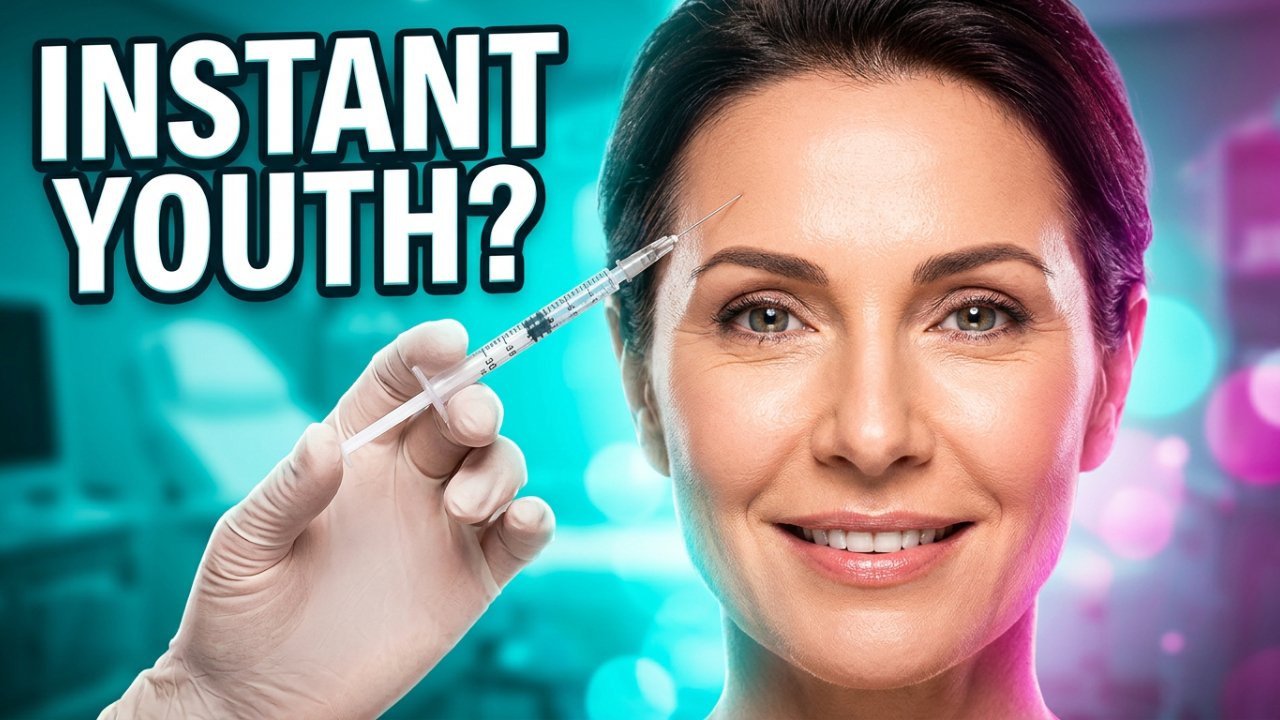
For decades, the name “Botox” has been synonymous with youth, beauty, and the quest for a flawless complexion. Far more than just a cosmetic quick-fix, this remarkable neurotoxin has revolutionized not only aesthetic medicine but also offers profound therapeutic relief for a myriad of medical conditions. Derived from the *Clostridium botulinum* bacterium, Botox is a meticulously purified protein that, when administered by skilled professionals, offers a powerful, temporary solution to a host of muscular and neurological issues. This deep dive will explore its intricate science, its unparalleled impact on anti-aging, and its life-changing applications in the medical field, cementing its status as one of modern medicine’s most versatile compounds.
## Key Takeaways
* **Botox is a Neurotoxin:** It’s a purified protein derived from *Clostridium botulinum*, working by temporarily blocking nerve signals to specific muscles.
* **Aesthetic Marvel:** Primarily known for reducing dynamic wrinkles like frown lines, crow’s feet, and forehead lines, creating a smoother, more youthful appearance.
* **Broad Therapeutic Uses:** Beyond aesthetics, Botox effectively treats chronic migraines, excessive sweating (hyperhidrosis), muscle spasticity, overactive bladder, and certain eye conditions.
* **Temporary Effects:** Results typically last 3-6 months, requiring repeat treatments to maintain effects.
* **Safe When Administered by Experts:** It is generally safe when performed by qualified and experienced medical professionals, with minimal, temporary side effects.
* **Precision is Key:** The success and safety of Botox rely heavily on the practitioner’s anatomical knowledge, experience, and artistic eye.
What is Botox? Unpacking the Science Behind the Phenomenon
At its core, Botox is a brand name for botulinum toxin type A, a potent neurotoxin produced by the bacterium *Clostridium botulinum*. While the term “toxin” might sound alarming, the product used in medical and cosmetic treatments is highly purified, diluted, and administered in extremely small, controlled doses.

How Does Botox Work? The Mechanism of Action
The magic of Botox lies in its targeted action on the neuromuscular junction. When injected into a specific muscle, Botox prevents the release of acetylcholine, a neurotransmitter responsible for signaling muscles to contract. By blocking this signal, the injected muscle is temporarily paralyzed or significantly weakened. This muscle relaxation is precisely what leads to its varied effects:
* **Cosmetic:** Relaxing facial muscles that cause dynamic wrinkles to smooth out the skin.
* **Therapeutic:** Reducing spasms, pain, or overactivity in various muscles or glands.
The effects are temporary because the body eventually produces new acetylcholine receptors and nerve endings, restoring muscle function over several months.
The Transformative Power of Botox in Aesthetics
The most widely recognized application of Botox is undoubtedly in the realm of cosmetic enhancement. It has become the leading non-surgical aesthetic procedure globally, prized for its ability to smooth out wrinkles and impart a more refreshed, youthful look without invasive surgery.
Smoothing Wrinkles and Fine Lines: The Anti-Aging Secret
Dynamic wrinkles – those that appear with facial expressions – are Botox’s primary target. These include:
* **Glabellar Lines (Frown Lines):** The vertical lines between the eyebrows that give a “mad” or “worried” expression.
* **Forehead Lines:** Horizontal lines that appear when raising the eyebrows.
* **Crow’s Feet:** The fine lines radiating from the outer corners of the eyes, prominent when smiling or squinting.
* **Bunny Lines:** Wrinkles on the sides of the nose when scrunching the face.
* **Platysmal Bands (Neck Bands):** Vertical cords that become prominent in the neck with age, which Botox can relax for a smoother neck profile.
By relaxing the underlying muscles responsible for these expressions, Botox prevents the skin from creasing, allowing existing lines to soften and preventing new ones from forming.
Beyond Wrinkles: Other Cosmetic Uses of Botox
The versatility of Botox extends to several other aesthetic enhancements:
* **Brow Lift:** Strategic injections can subtly lift the eyebrows, opening up the eyes.
* **Jawline Contouring (Masseter Reduction):** Injecting Botox into the masseter muscles (chewing muscles) can reduce their size, leading to a softer, more V-shaped jawline, and can also help with teeth grinding (bruxism).
* **Gummy Smile Correction:** By relaxing the muscles that elevate the upper lip too high when smiling, Botox can reduce the amount of gum visible.
* **Lip Flip:** A small amount of Botox injected into the orbicularis oris muscle above the upper lip can cause the lip to slightly roll outwards, creating a fuller, poutier appearance without adding volume.
* **Chin Dimpling (Pebble Chin):** Relaxing the mentalis muscle can smooth out an uneven or dimpled chin.
Therapeutic Applications: Botox’s Medical Marvels
While its cosmetic fame is undeniable, Botox was first approved for medical use and continues to be an invaluable treatment for numerous health conditions, often improving quality of life for patients significantly.
Chronic Migraines
For individuals suffering from chronic migraines (15 or more headache days a month, with at least 8 being migraine days), Botox can provide substantial relief. Injections are administered into specific head and neck muscles, thought to block pain signals before they reach the brain.
Hyperhidrosis (Excessive Sweating)
Botox is an FDA-approved treatment for severe primary axillary hyperhidrosis (excessive underarm sweating). It works by blocking the nerve signals that stimulate the sweat glands, dramatically reducing sweat production in the treated areas (e.g., armpits, palms, soles of feet).
Muscle Spasticity and Dystonia
Botox is widely used to treat various conditions characterized by involuntary muscle contractions or spasms, including:
* **Cervical Dystonia:** A painful condition where neck muscles contract involuntarily, causing the head to twist or turn to one side.
* **Spasticity:** Muscle stiffness and tightness often seen in patients with cerebral palsy, stroke, multiple sclerosis, or spinal cord injuries. Botox can relax these muscles, improving range of motion and reducing pain.
* **Blepharospasm:** Involuntary blinking or spasms of the eyelids.
Overactive Bladder
For patients with an overactive bladder who haven’t responded to other treatments, Botox injections into the bladder muscle can help relax it, reducing symptoms of urinary incontinence, urgency, and frequency.
Strabismus (Crossed Eyes)
One of Botox’s earliest medical uses was to treat strabismus, a condition where the eyes do not properly align with each other. By weakening specific eye muscles, Botox helps to rebalance the ocular alignment.
What to Expect During a Botox Treatment
A Botox procedure is relatively straightforward and quick, typically performed in a medical office setting.
1. **Consultation:** A thorough discussion with a qualified practitioner is essential to assess suitability, discuss desired outcomes, and identify any contraindications.
2. **Preparation:** The treatment area is cleaned, and a topical numbing cream may be applied, though most patients find the injections tolerable without it.
3. **Injections:** Using a very fine needle, the practitioner precisely injects small amounts of Botox into the targeted muscles. The number of injections and units of Botox depend on the area being treated and individual needs.
4. **Aftercare:** Patients can typically resume most normal activities immediately. Instructions often include avoiding rubbing or massaging the treated area, strenuous exercise, and lying down for a few hours post-treatment to prevent the toxin from spreading.
5. **Results:** Initial results may appear within 3-7 days, with full effects visible around two weeks. The effects typically last 3 to 6 months, after which muscle activity gradually returns, and repeat treatments are needed to maintain the desired outcome.
Safety Profile and Potential Side Effects
When administered by a highly qualified and experienced medical professional, Botox is considered remarkably safe. However, like any medical procedure, it carries potential side effects, most of which are mild and temporary.
Common and Mild Side Effects:
* **Temporary bruising or swelling** at the injection site.
* **Mild headache** (typically resolves within 24-48 hours).
* **Numbness or tenderness** in the treated area.
Rarer, More Serious Side Effects:
* **Ptosis (drooping eyelid or brow):** This is usually temporary and can occur if Botox migrates to unintended muscles.
* **Asymmetry:** Uneven muscle relaxation, which can sometimes be corrected with additional precise injections.
* **Flu-like symptoms.**
* **Spread of toxin:** In very rare cases, the toxin can spread beyond the injection site, causing muscle weakness, vision problems, or difficulty breathing/swallowing. This is extremely rare with cosmetic doses but highlights the importance of expert administration.
**Contraindications:** Botox is not recommended for pregnant or breastfeeding women, individuals with certain neurological conditions (e.g., Myasthenia Gravis, Lambert-Eaton Syndrome), or those with allergies to any of the ingredients.
Choosing the Right Practitioner for Your Botox Treatment
The efficacy and safety of Botox largely depend on the skill and experience of the injector. It is crucial to choose a board-certified dermatologist, plastic surgeon, ophthalmologist, or other qualified medical professional who has extensive experience with Botox injections. An expert understands facial anatomy, proper dosing, and possesses an artistic eye to achieve natural-looking results. Avoiding unlicensed providers or “Botox parties” in non-clinical settings is paramount to minimize risks and ensure optimal outcomes.
The Future of Botox
Research into botulinum toxin continues, with ongoing studies exploring new therapeutic indications, refined formulations (such as topical Botox for sweating or for fine lines), and advancements in delivery methods. Its proven safety profile and remarkable efficacy ensure that Botox will remain a cornerstone of both aesthetic and therapeutic medicine for the foreseeable future, continuing to transform lives and perceptions of aging and health.


